Western Fires Ignite Crisis: What's Behind Mass Evacuations?

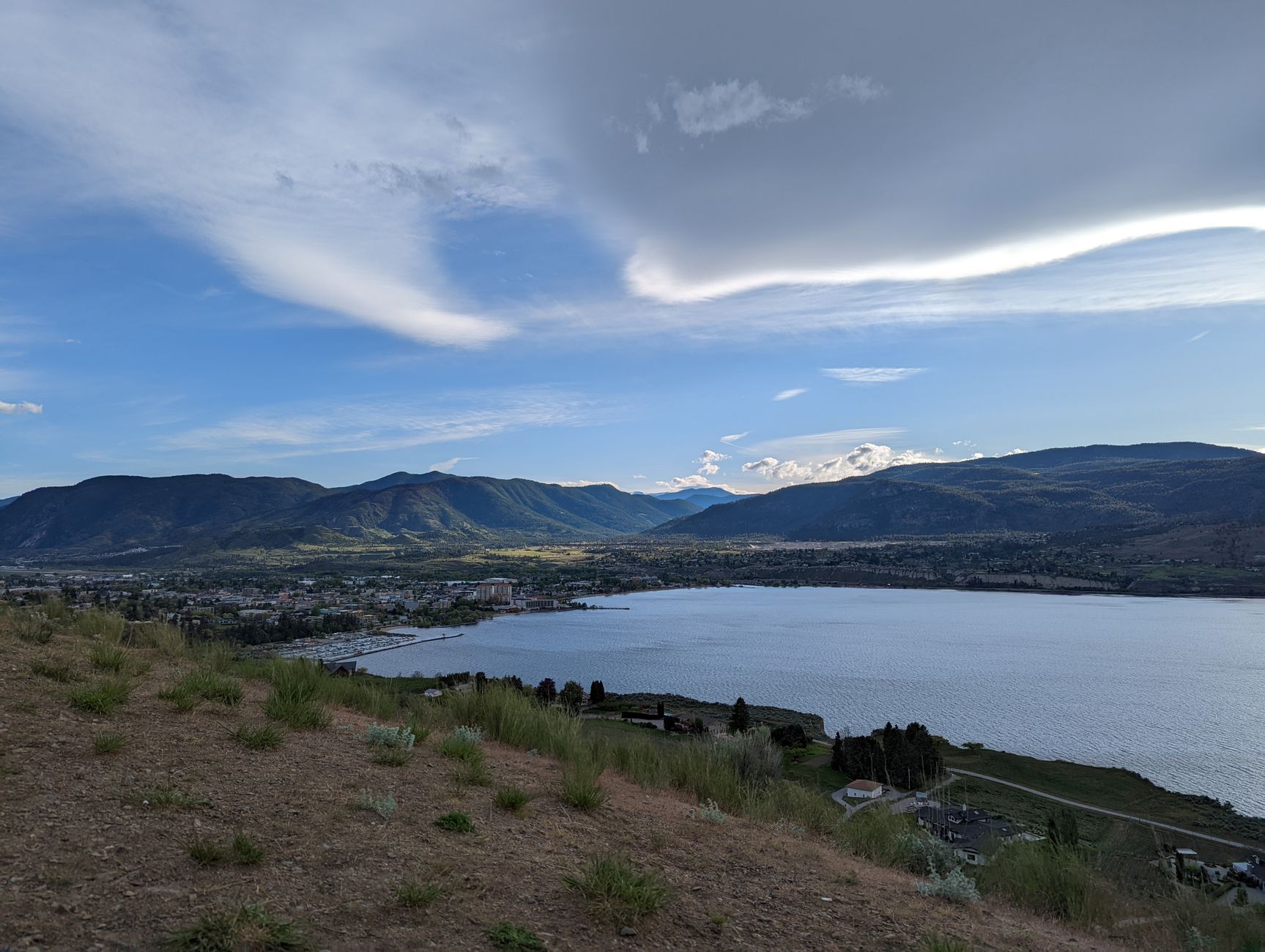
Massive wildfires are tearing across the western U.S. and Canada, forcing thousands from their homes and devastating communities. These blazes, intensifying in a warming climate, have prompted widespread evacuations, destroyed countless structures, and even claimed lives. From British Columbia's Okanagan Lake to Spokane, Washington, residents are grappling with unprecedented destruction and an uncertain future. The escalating frequency and intensity of such events highlight the urgent need for robust environmental action and sustainable solutions.
Across western North America, communities are battling fierce wildfires that have left a trail of devastation and fear. Residents are either bracing for evacuation or returning to assess the damage left behind.
In Canada, the situation along British Columbia's Okanagan Lake is particularly dire. Over 20,000 people have been forced to evacuate, with many homes already destroyed. An 80-year-old woman tragically died while trying to escape the inferno. One resident, Anette Boulet, who fled her home in Summerland, described the scene as having "no words to express it" and filled with "the fear" as fire ridges loomed in the dark. British Columbia has declared a state of emergency, requesting federal assistance to shelter those displaced.
Further south in Washington, crews are battling three major blazes near Spokane, which have damaged or destroyed approximately 920 structures. While mop-up operations continue near containment lines, communities like Malden, which was largely destroyed by fire in 2020, are again on high alert, conserving water and communicating through social media. Authorities have even arrested a man charged with intentionally setting one of the biggest Spokane-area fires.
Tragically, in Utah, two helicopter pilots lost their lives when their aircraft crashed while fighting a wildfire in the Fishlake National Forest. Fire activity in the steep terrain initially prevented crews from reaching the crash site, underscoring the extreme dangers faced by those on the front lines.
These relentless fires serve as a stark reminder of our changing climate. As global temperatures rise, creating drier conditions and more fuel for fires, the urgency to adopt sustainable practices and transition to cleaner, electrified solutions becomes ever clearer. Protecting our environment is not just about safeguarding nature; it's about protecting our communities and our future from increasingly devastating events like these.