What a tiny fruit reveals about our changing climate

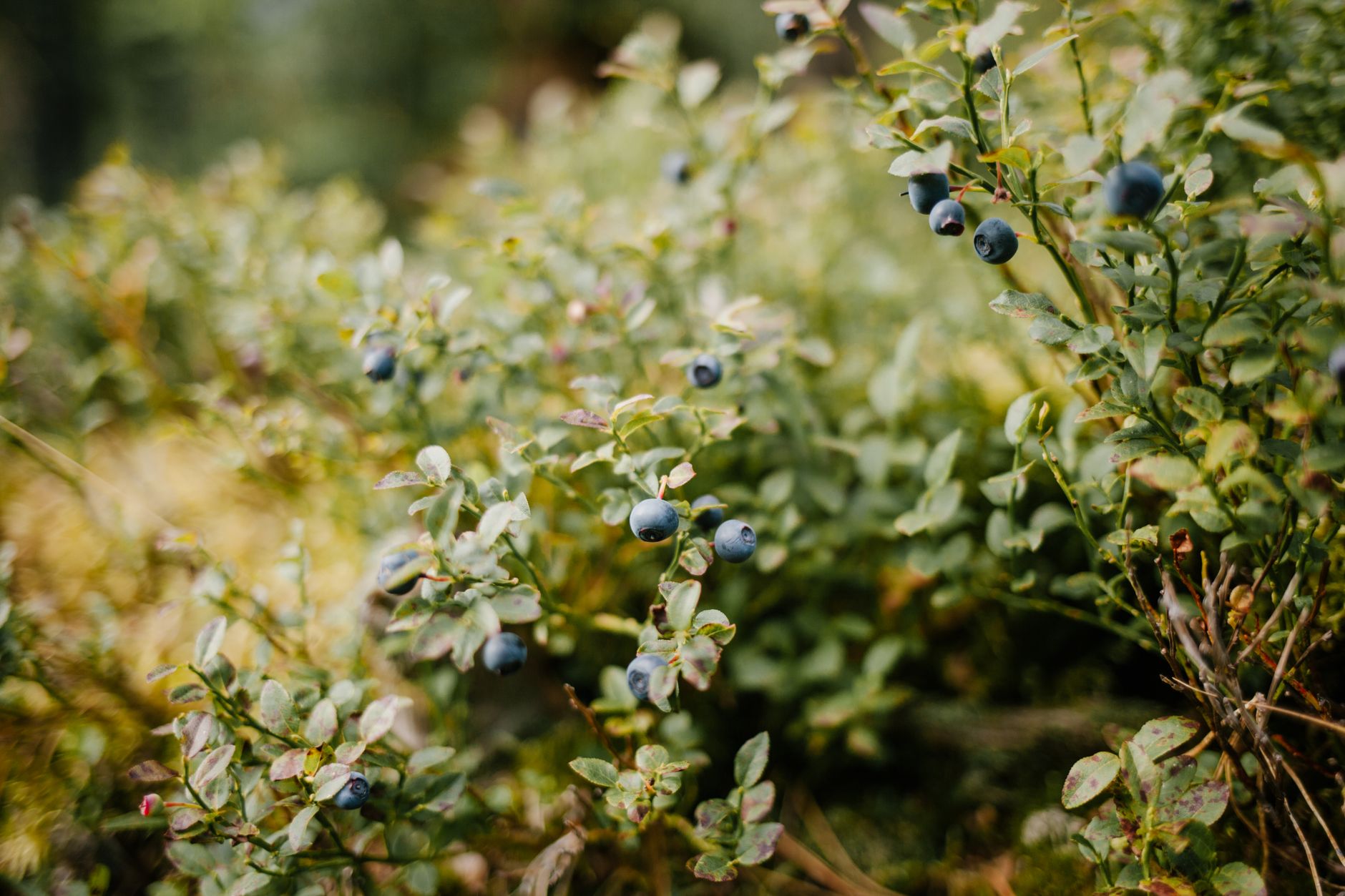
The nation's oldest weather observatory in Milton, Massachusetts, uses a surprisingly simple method to track climate change: observing when the first blueberry ripens. This tradition, maintained for years, offers a unique and tangible look at how our environment is shifting. Such everyday changes, like the timing of fruit harvests, highlight the profound and often subtle impacts of a warming planet on local ecosystems. It underscores the urgency of understanding and addressing global warming, as these natural indicators reveal an undeniable reality.
For generations, a dedicated team at Milton, Massachusetts has recorded the precise date the very first blueberry of the season becomes ripe. This might sound like a quaint local tradition, but it's much more than that. This long-running observation, carried out by the nation's oldest continuously operated weather observatory, is a key piece of a larger puzzle, helping scientists understand the accelerating pace of climate change.
The ripening of blueberries, like the budding of trees or the migration of birds, is highly sensitive to temperature and seasonal shifts. When these dates move earlier year after year, it's a clear signal that local climates are warming, disrupting natural cycles that have been stable for centuries. Such seemingly small changes have cascading effects on plant life, insect populations, and the overall balance of our ecosystems.
Monitoring these natural calendars helps us grasp the real-world consequences of global warming, making it clear why environmental action is so critical. Every effort to embrace sustainable solutions and reduce our carbon footprint helps preserve these delicate natural rhythms. Protecting our planet means paying attention to these everyday lessons from nature, even those taught by a single blueberry bush.