What Darwin *Really* Saw: Beyond 'Survival of the Fittest' [Nature]

For too long, our understanding of nature has been dominated by the idea of "survival of the fittest," often interpreted as ruthless competition. However, new insights reveal a deeper truth: cooperation, or symbiosis, is the fundamental engine driving life on Earth. From tiny ants and aphids to vast underground fungal networks and vibrant coral reefs, species thrive by working together. Embracing this cooperative view is crucial for recognizing the interconnectedness of our planet and inspiring urgent action to protect these vital environmental partnerships.
Charles Darwin himself was fascinated by mutual benefits in nature, observing ants tending aphids and orchids relying on moths. These early observations hinted at a widespread phenomenon: symbiosis, where different species form partnerships for mutual survival. We now know that orchid seeds, for example, depend entirely on fungi for germination, later reciprocating by feeding their fungal partners.
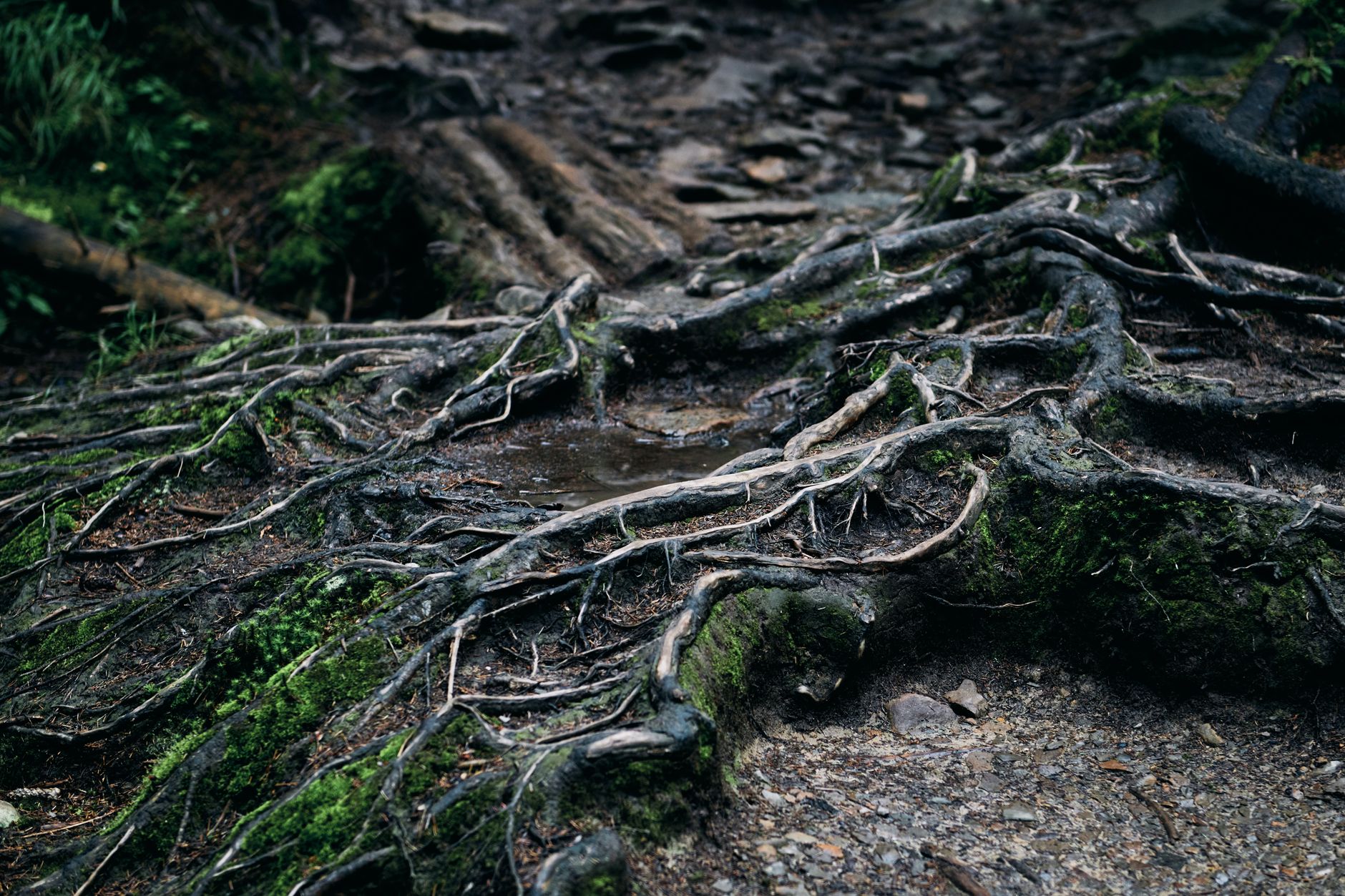
Many of nature’s success stories are built on such alliances. Legumes, like beans and peas, form crucial partnerships with bacteria in their roots, allowing them to create their own fertilizer from the air – a process no other organism can do alone. Perhaps most astonishing is the "wood wide web," where an estimated 80 percent of all plant species connect with fungi underground. These fungal networks provide plants with water and nutrients, while plants supply the fungi with sugars. Scientists estimate that this incredible network, if stretched out, would span 11,000 light-years.
This immense underground collaboration plays a silent but critical role in our climate. It stores a massive amount of carbon and sequesters about 13 billion tonnes of carbon from the atmosphere every year. That’s more than a third of the carbon we release annually by burning fossil fuels, highlighting the immense, often unseen, power of natural cooperation in combating global warming. Protecting these delicate systems is not just an ecological nicety; it’s an urgent climate imperative.
Another striking example of symbiosis is found in coral reefs. These "megadiverse" ecosystems support 30 percent of all marine species in less than 0.2 percent of the ocean's surface. They are essential for food security, coastal protection, and tourism, providing trillions of dollars in value annually. Corals themselves are a partnership between an animal that builds the structure and algae living within it, which produce food through photosynthesis.
Understanding that nature thrives on collaboration, rather than purely on competition, is vital for our future. As explored in works like Rowan Hooper's Togetherness: Symbiosis and the Hidden Story of Life’s Greatest Collaborations, the narrative of unchecked exploitation has pushed our ecosystems to the brink. By recognizing and protecting these intricate symbiotic relationships, we can foster a more sustainable way of life and ensure the health of our planet for generations to come.