What Did Recent Storms Uncover on Nantucket Beach?

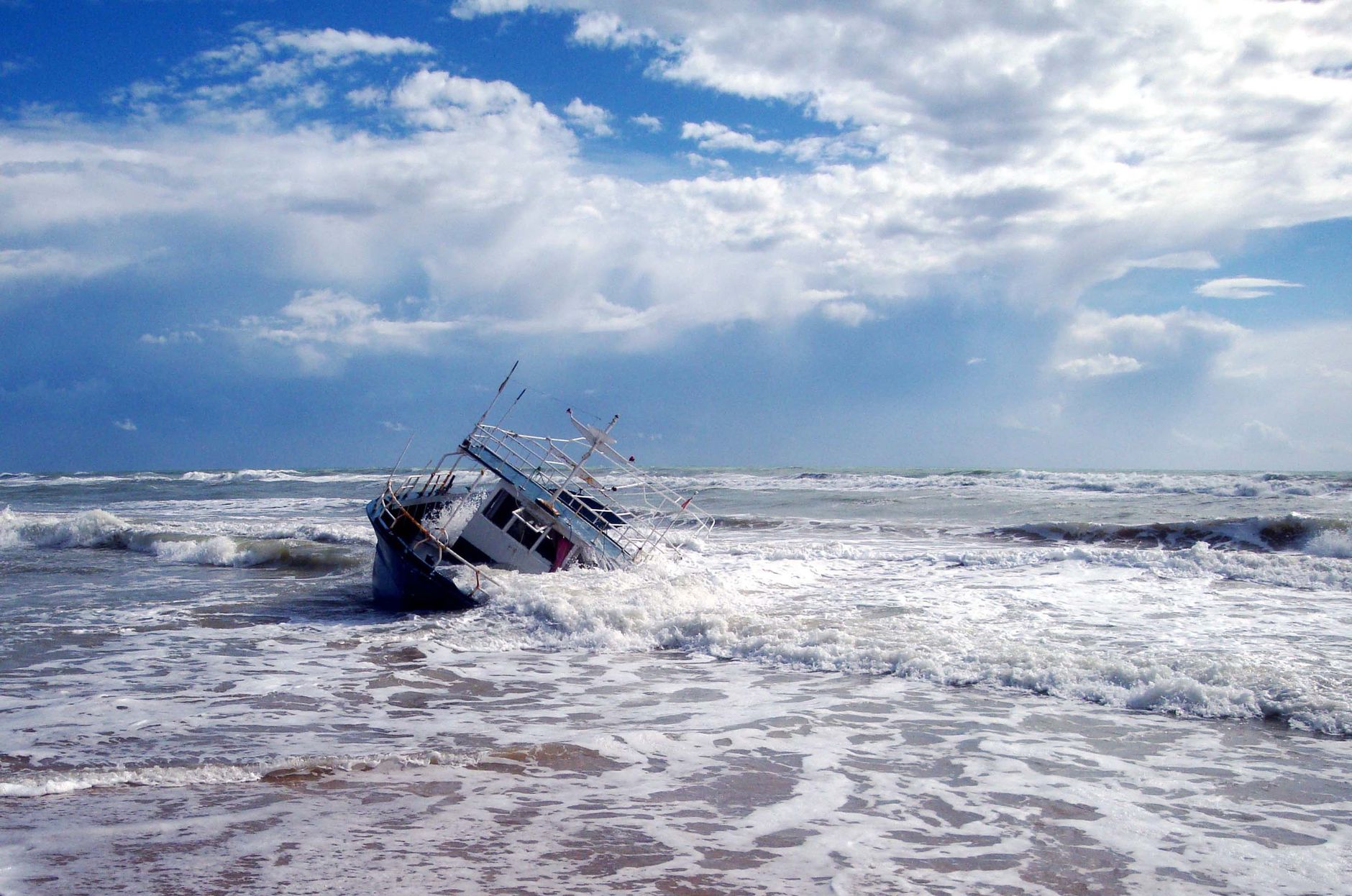
A powerful nor'easter recently exposed the remains of a possible 19th-century shipwreck on Nantucket Island, Massachusetts. Maritime experts are now investigating if the weathered timbers belong to the Warren Sawyer, a schooner lost in 1884. This remarkable discovery highlights the dramatic impact of increasingly intense storms and accelerating coastal erosion on our vulnerable shorelines. As extreme weather events become more frequent, they not only reshape our natural landscapes but also reveal hidden pieces of history, underscoring the urgent need for climate action.
The recent powerful nor'easter that lashed the Northeast coastline didn't just bring heavy rains and strong winds; it also dramatically reshaped our shores. Along Nantucket's Miacomet Beach, the storm's immense power uncovered the splintered timbers of a vessel that had been buried for generations.
Experts from the Egan Maritime Institute on the island, alongside state underwater archaeologists, are now working to identify the wreck. They suspect it might be the Warren Sawyer, a wooden schooner that ran aground in 1884 while carrying cotton and scrap iron from New Orleans to Boston. Though its captain and crew were rescued, a subsequent storm tore the ship apart, scattering its pieces across the beach.
This event is a stark reminder of the growing concerns about coastal erosion, a problem seen from New Jersey to New England and even along California's beaches. The intensity of such storms points to the urgent need to address global warming and protect our vulnerable coastlines. While exciting for history buffs, these emerging wrecks signal a broader environmental challenge.
Local editor Jason Graziadei and his son discovered the exposed beams, which had been directly beneath a popular beach driving route all summer. He shared his excitement at finding such an old piece of history, noting that it's amazing how the remains have endured for over a century.
Nantucket's waters are historically known as a "graveyard of the Atlantic," with over 750 estimated wrecks. While this newly exposed section is thrilling, officials urge visitors not to disturb the wreckage, as Massachusetts law prohibits moving or damaging underwater archaeological resources.