What Drives a 25% Premium in Carbon Credits?

The market for carbon credits is evolving rapidly, with buyers increasingly paying a premium for verified quality, signaling a shift towards higher integrity in offsetting climate impacts. Meanwhile, the surging demand for AI technology is putting unprecedented pressure on power grids and significantly increasing emissions from semiconductor manufacturing, underscoring the deep link between technological growth and energy choices. On a more optimistic note, the world's largest direct air capture facility is on track to begin operations soon, offering a major milestone for industrial-scale carbon removal and a step towards tackling climate change with advanced solutions.
Buyers are now willing to pay 19-25% more for carbon credits that carry the Core Carbon Principles (CCP) label. This premium highlights a growing market preference for verified, high-integrity offsets, indicating that companies are prioritizing credible climate action over cheaper, less scrutinized options. This shift is crucial for ensuring that investments in carbon offsetting truly deliver environmental benefits and helps companies make defensible net-zero claims amidst increasing regulatory scrutiny.
Separately, the explosive growth of artificial intelligence is straining global power grids and driving up emissions from the semiconductor industry. Major chipmakers have seen their power consumption jump by 8-9% in just five years. This trend ties every AI-dependent business to the energy decisions of a few key manufacturers, many of whom operate in regions still heavily reliant on fossil fuels. This situation makes it harder for companies to reduce their indirect emissions, highlighting the urgent need for chipmakers to accelerate their shift to clean energy.
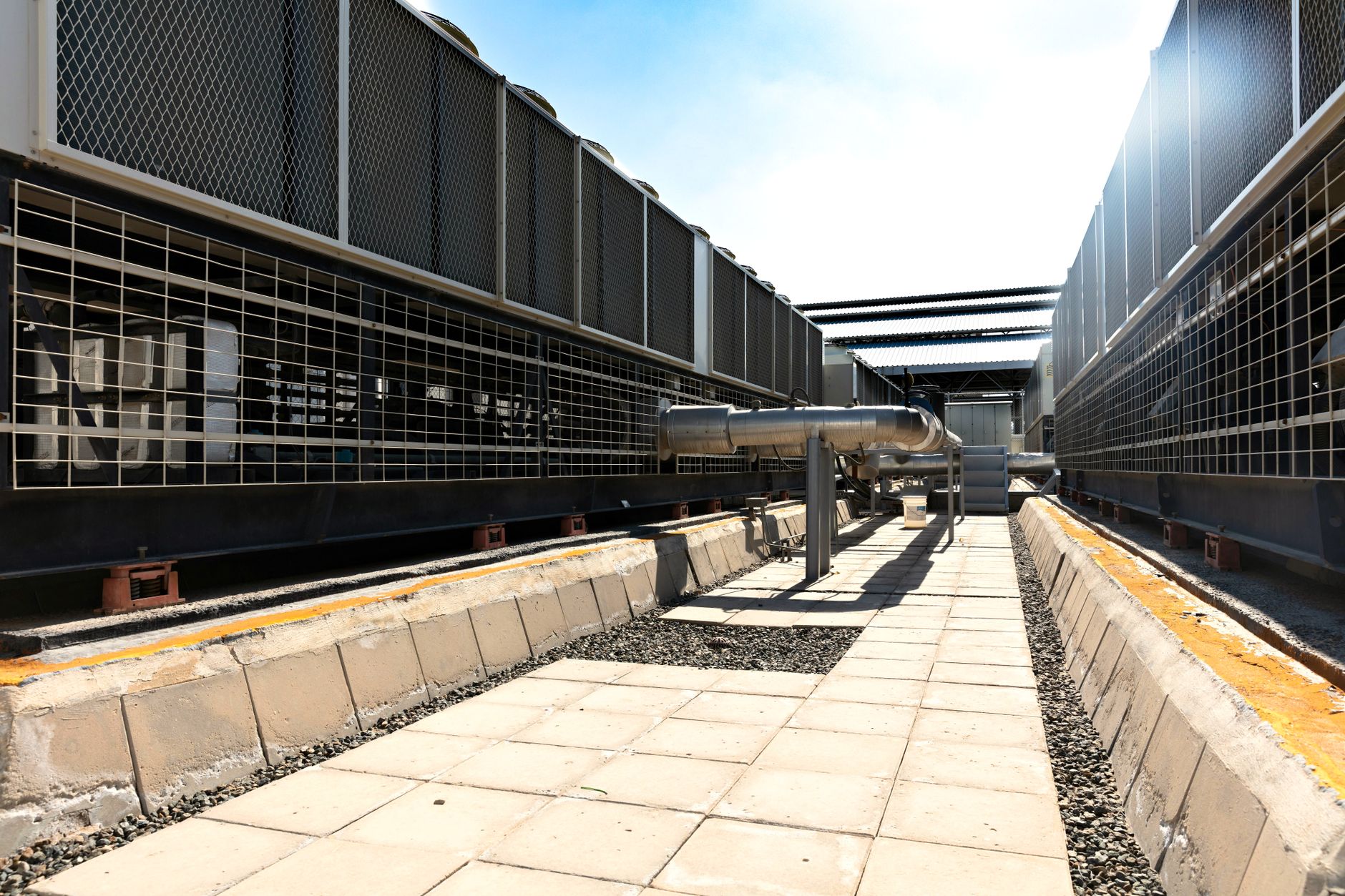
In a significant development for climate solutions, the world’s largest direct air capture (DAC) plant is slated to open in West Texas by the end of this year. This facility marks a critical test for engineered carbon removal, demonstrating whether such technologies can scale to industrial volumes. Its launch offers a promising avenue for removing existing carbon from the atmosphere, a necessary step for achieving long-term net-zero goals. This progress could eventually ease the current scarcity and high cost of high-quality removal credits, offering new options for businesses committed to durable climate action.