What Edison Knew: Unfixed Gear, Dry Brush Before Deadly Eaton Fire

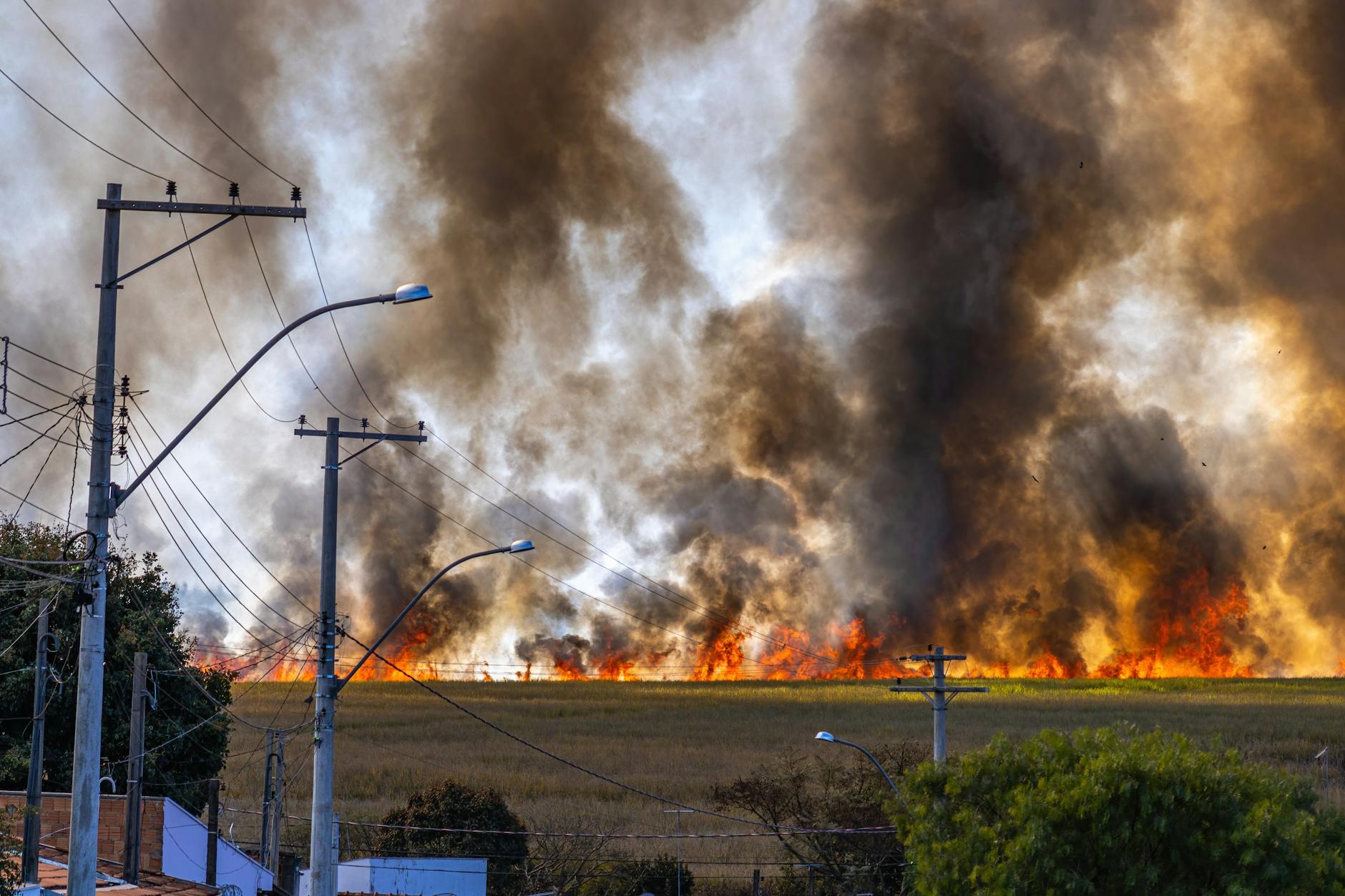
New evidence from government investigators and court filings casts fresh doubt on Southern California Edison’s safety claims before last year's devastating Eaton fire. The inferno, which tragically killed 19 people and destroyed over 9,000 structures, was ignited by electrical arcing on an out-of-service transmission line. Revelations include critical fire prevention equipment needing repair and years of unmanaged vegetation, fueling urgent questions about utility accountability. This ongoing investigation highlights the critical importance of robust fire prevention, especially in a climate increasingly prone to severe wildfires.
Recently revealed details challenge Southern California Edison's assertions of safe operations before the deadly Eaton fire. Government investigators and court documents suggest that crucial fire prevention equipment was broken, and vegetation under the ignition tower hadn't been cleared for years.
The investigation highlights Edison’s decision to keep power flowing through high-voltage lines in Eaton Canyon, even as a “life-threatening” windstorm was predicted and a state of emergency was declared due to other fires. Wind gusts reached extreme speeds near the fire’s origin, yet Edison stated conditions didn't meet their criteria for shutting down power, increasing the risk of a catastrophic wildfire.
Adding to concerns, safety equipment on the out-of-service transmission line—designed to prevent unexpected power surges and ground them safely—was found to be damaged. This equipment was crucial because idle lines can become energized by nearby active lines, a danger utilities have known about for decades. Records show that a critical component was improperly secured, and previous incidents had already demonstrated the risks of induction on idle lines.
Investigators also found that vegetation directly under the tower where the fire started had not been trimmed since at least 2021. This failure to clear dry brush created a highly flammable “fuel bed,” directly violating Edison’s own safety standards for reducing fire risk around its infrastructure. Such preventative measures are vital for environmental protection and community safety.
The fight for accountability continues, with a jury trial scheduled and state regulators evaluating Edison’s actions. A controversial 2019 law might shield utilities from fire damages if their prevention plans are approved, which Edison’s was just before the Eaton fire. This has led fire survivors to push back, arguing that stripping away financial incentives could leave California vulnerable to more utility-sparked fires, underscoring the urgent need for utilities to prioritize public safety and environmental responsibility.