What Floods Did to Sumatra's Rarest Ape?

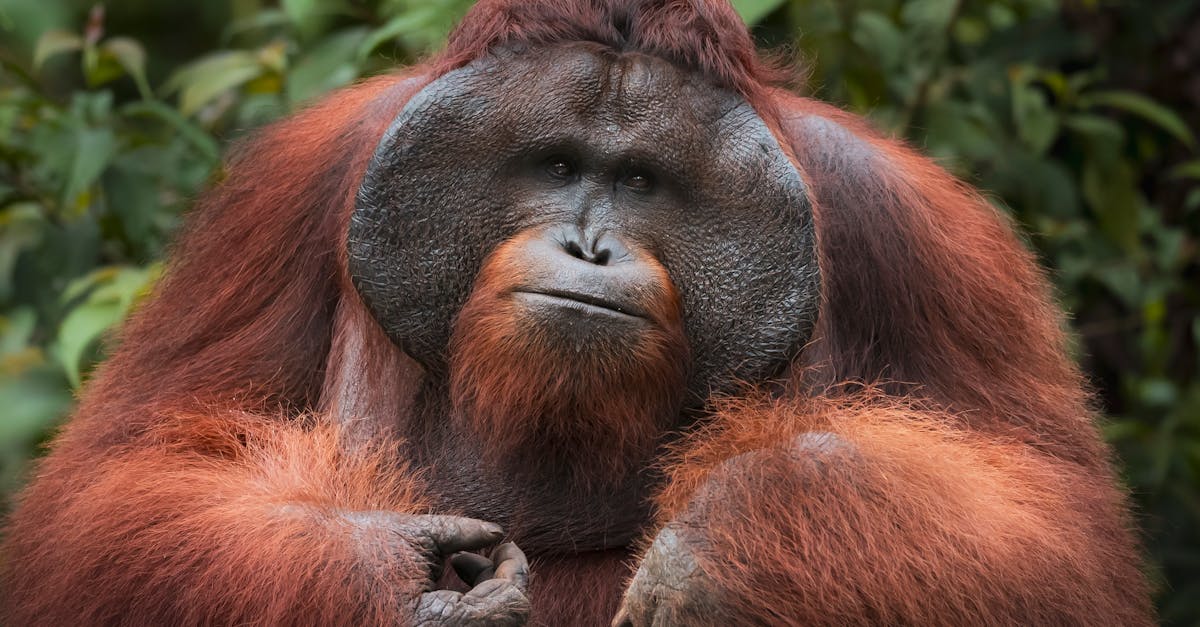
A rare cyclone brought devastating floods to northern Sumatra, killing hundreds and displacing over 100,000 people while ravaging the habitat of the world's rarest great ape, the Tapanuli orangutan. With fewer than 800 left in the wild, scientists estimate at least 30 of these critically endangered apes may have died from landslides and flooding, pushing the species closer to collapse preprint assessment. Climate change fueled heavier rains, but deforestation from dams, mines, and palm oil plantations made the disaster worse by stripping the land's ability to absorb water Global Forest Watch. This tragedy underscores the urgent need for forest protection to combat global warming and safeguard biodiversity.
Nearly three weeks after the cyclone hit, northern Sumatra is still reeling. Towns are isolated, and recovery is slow. But the floods didn't just harm humans—they struck deep into the forests where Tapanuli orangutans cling to survival.
These apes, found only in three small forest patches, face constant threats from human development. Satellite images show landslides and stripped riverbanks across their habitat, likely killing dozens. One body was even found in downstream debris.
Experts say climate change is making these extreme rains more common World Weather Attribution. Add in decades of deforestation—North Sumatra lost 28% of its trees since 2001—and the land couldn't hold back the water. Logs from illegal clearing jammed rivers, worsening the floods.
Indonesia's environment ministry paused some projects, like a hydroelectric dam in the apes' home. But activists worry operations continue quietly. Protecting these forests isn't just about saving orangutans—it's about shielding people from future disasters too. Healthy ecosystems absorb floods and fight climate change. Now's the time for real action to halt habitat loss and embrace sustainability.