What happens if the Colorado River sees another dry winter?

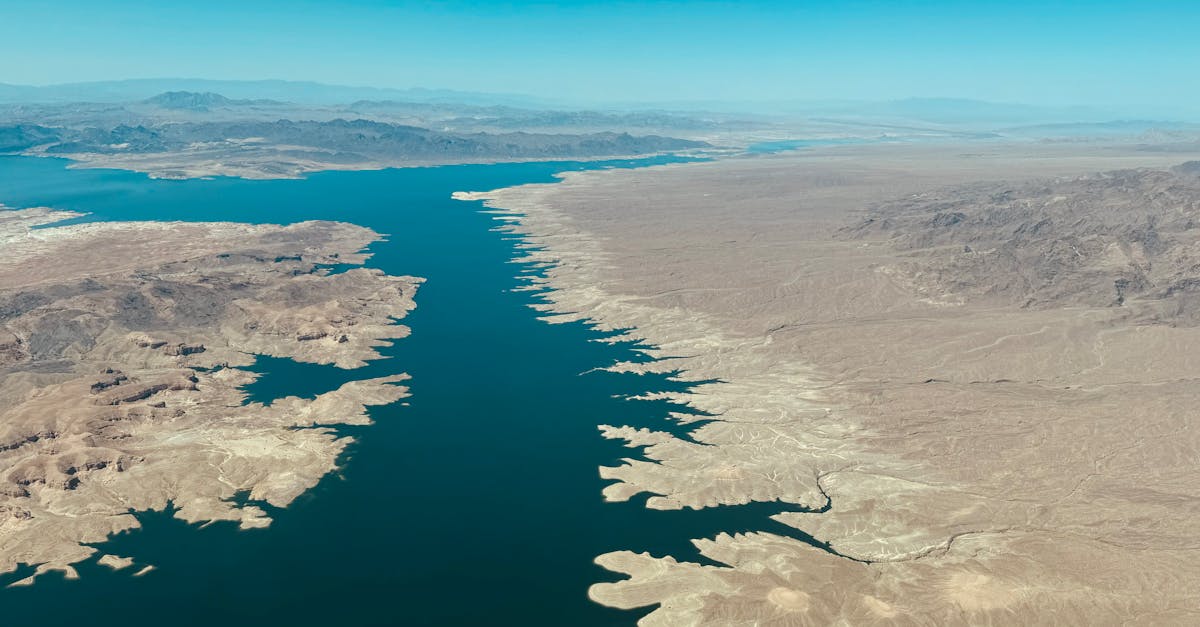
Experts warn that another warm, dry winter could push the Colorado River's vital reservoirs, Lakes Mead and Powell, to dangerously low levels. This grim forecast, fueled by ongoing climate change, highlights a severe imbalance between water supply and demand. The river sustains 40 million people across seven Western states, 30 tribal nations, and Mexico, making the need for immediate and drastic water conservation measures more urgent than ever. Without significant action, the basin faces devastating consequences, impacting everything from drinking water to electricity generation.
A recent report by Colorado River experts paints a stark picture: continued overconsumption, even with a wetter year, means the river's water supply cannot recover. This critical waterway, already strained by a climate change-fueled drought, is consistently seeing more water used than nature provides. The findings emphasize that temporary fixes aren't enough; permanent reductions in water usage are essential to prevent a system crash.
Should the coming winter be as dry as recent years, the consequences could be severe. Lakes Mead and Powell, the nation's largest reservoirs, might dip below levels needed to generate electricity or maintain their structural integrity. This scenario would also hit agriculture hard, forcing difficult choices for farmers and rural communities who depend on this water. The risk is not just about water for homes and farms, but also the clean power dams provide, underscoring the interconnectedness of our resources and the benefits of sustainable energy solutions.
Even a very wet winter would offer only temporary relief. Historical data shows that while a good snowpack can temporarily boost water levels, overconsumption quickly brings reservoirs back to their lows. This cycle of temporary recovery followed by deeper declines illustrates that the current situation is not a fleeting problem but a long-term challenge demanding sustained environmental action. Experts stress that this issue will only worsen, making proactive, long-term planning for reduced water use crucial, rather than just delaying the inevitable.