What health crisis lingers after urban wildfires?

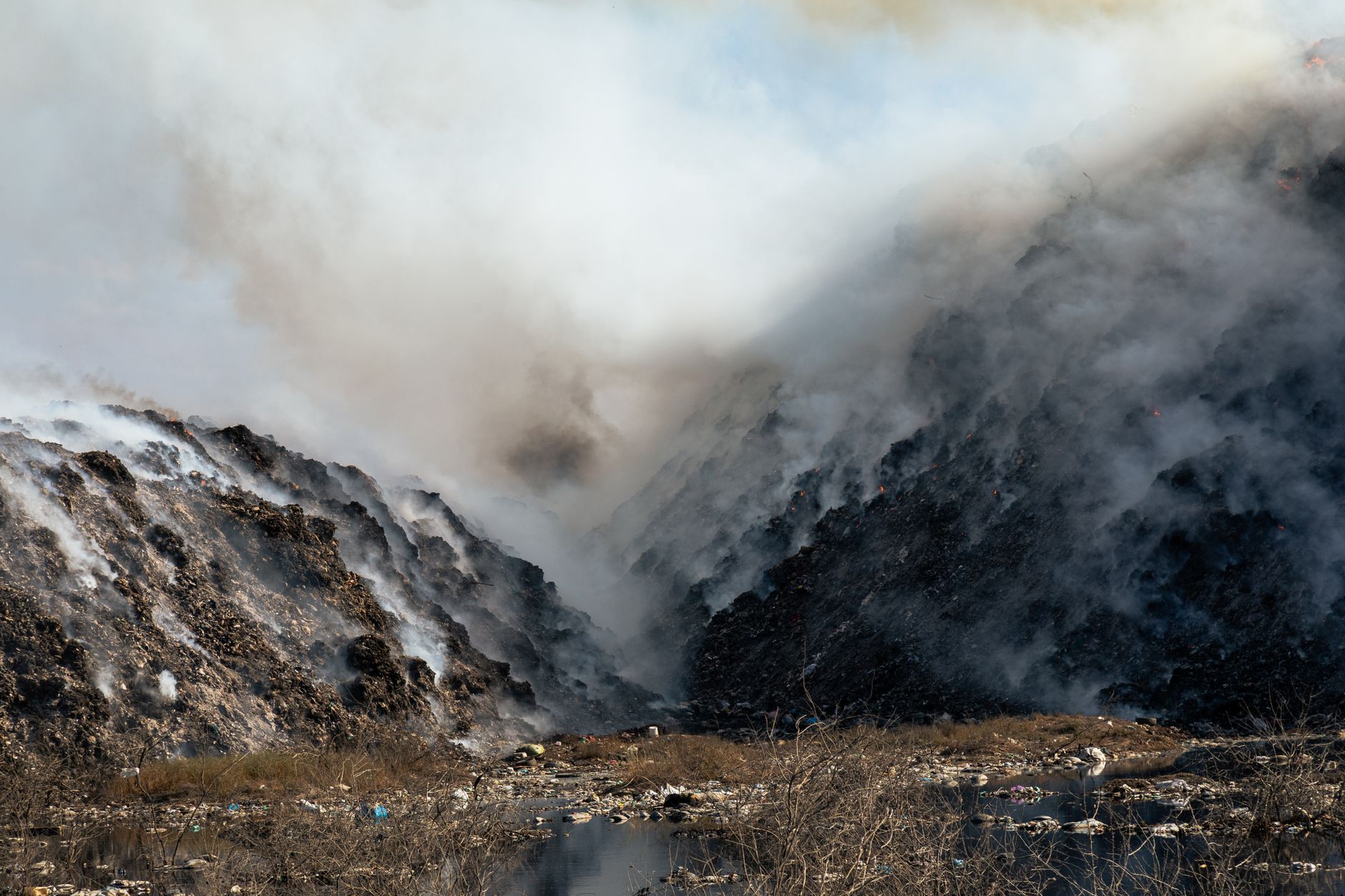
Years after devastating wildfires in Maui (2023) and Los Angeles (2025), researchers are uncovering severe long-term health impacts on survivors. These urban fires, unlike forest blazes, burn synthetic materials, releasing dangerous toxins like heavy metals and ultrafine particles. Studies reveal elevated cancer risks, breathing issues, and widespread mental health trauma, underscoring a looming health crisis. This research highlights the critical need for robust, long-term disaster response and draws urgent attention to the intensifying threat of climate-driven disasters and their hidden environmental fallout.
When wildfires sweep through cities, the immediate devastation is clear, but the danger often doesn't end when the flames are extinguished. Three years after the Maui wildfires wildfires upended life for residents in Maui, Hawaiʻi and two years after the Los Angeles fires health impacts of the fires in Los Angeles, scientists are uncovering a silent, toxic aftermath that poses serious long-term health risks to thousands of survivors.
Unlike natural forest fires, urban wildfires consume everything from homes and cars to electronics and other synthetic materials. This process releases a cocktail of dangerous contaminants, including heavy metals like lead, cadmium, cyanide, and arsenic. These toxins, sometimes in the form of ultrafine nanoparticles, can deeply embed themselves in homes and even human cells, reaching the lungs, heart, and brain. Early findings show survivors with elevated levels of these metals, linked to impaired lung function and increased cancer risks, alongside widespread mental health challenges like depression, anxiety, and PTSD. These findings underscore a profound environmental injustice, as vulnerable populations, including undocumented immigrants and children, often face higher exposure risks and limited access to healthcare.
Researchers in both Maui and Los Angeles are leading pioneering studies to track these long-term health effects. The Maui Wildfire Exposure Study, for instance, not only conducts research but also connects participants with critical interventions like therapy and food assistance. However, these vital efforts have faced significant funding challenges, with political shifts threatening support for programs crucial to understanding the consequences of climate-fueled disasters. Ensuring consistent funding and support for such comprehensive research is paramount, allowing us to learn from these tragedies and build more resilient communities in the face of escalating climate impacts.
Scientists are drawing concerning parallels between the aftermath of these urban wildfires and the health crisis observed after 9/11, where exposure to burning urban structures led to elevated cancer mortality. This highlights the urgent need for long-term monitoring and robust public health strategies. As climate change continues to fuel more frequent and intense disasters, understanding the hidden environmental impacts and investing in sustainable, preventative measures becomes ever more critical to protect future generations.