What Held Up Critical Flood Protection for Vulnerable Towns?

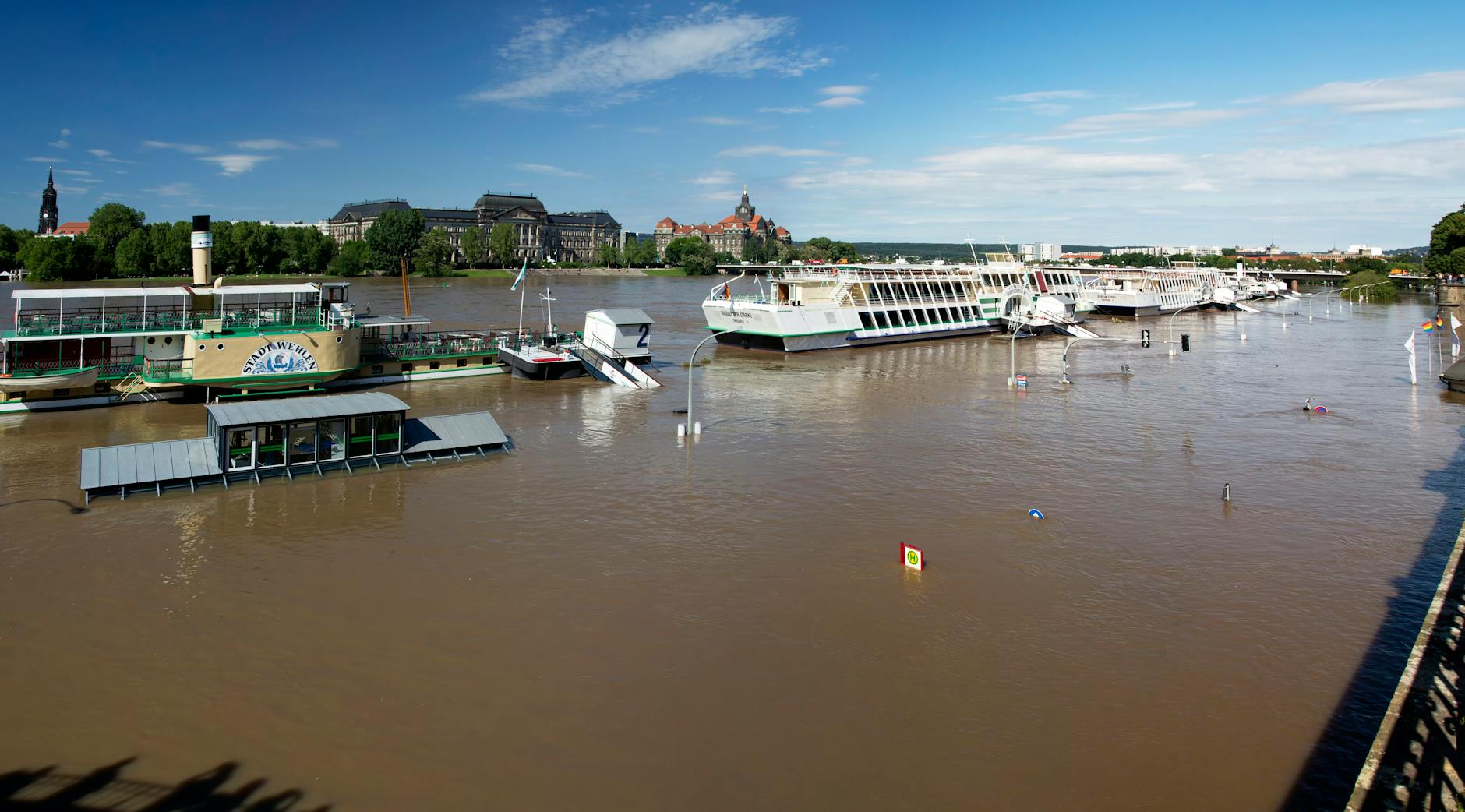
Rural communities across the U.S., like Duryea, Pennsylvania, face an intensifying threat from extreme weather, particularly devastating floods exacerbated by climate change. These small towns rely heavily on federal funding for essential protection, such as upgrading aging flood defenses. However, billions in federal disaster preparedness funds were stalled by the Trump administration, leaving countless vulnerable communities in a perilous waiting game. While a recent court order has pushed for the program's restart, uncertainty remains about when and if crucial climate-related projects will receive the much-needed support.
The picturesque town of Duryea, Pennsylvania, sitting by the Lackawanna River, is increasingly at risk. Climate change is making heavy rainstorms more common and intense, causing rivers to rise higher than ever before. For places like Duryea, a vital levee built in the 1970s now needs to be raised by several feet to offer adequate protection. This isn't just a local issue; the heaviest rainstorms in the Northeast now drop 60% more rain than they did in the mid-20th century, according to the National Climate Assessment.
Upgrading infrastructure like Duryea's levee is incredibly expensive—often three times a small town's entire annual budget. These communities simply don't have the funds on their own and depend on federal grants. Investing in preparedness before disasters strike is proven to save lives and reduce damage, making these projects essential for climate resilience.
A key federal program, Building Resilient Infrastructure and Communities (BRIC), designed to fund these protective measures, was paused by the Trump administration last year. This move halted billions of dollars that local governments, especially in rural areas, were counting on. After lawsuits from 20 states, the Federal Emergency Management Agency (FEMA) recently agreed to restart the program, as detailed in public filings and a FEMA press release.
However, the path forward is still unclear. Years of applications are now competing for limited funds, and it's uncertain how quickly money will flow or if projects directly addressing climate change will be prioritized. With a federal administration that has openly questioned funding for climate initiatives and an agency that has seen significant staff reductions, rural towns are left vulnerable. These communities, often staffed by volunteers, struggle to navigate complex grant applications, making it harder for them to secure the necessary funding to protect themselves from escalating climate threats. As our climate continues to change, swift and decisive action is critical to safeguard these "sitting ducks" from future disasters.