What if Big Oil had to pay for climate damage?

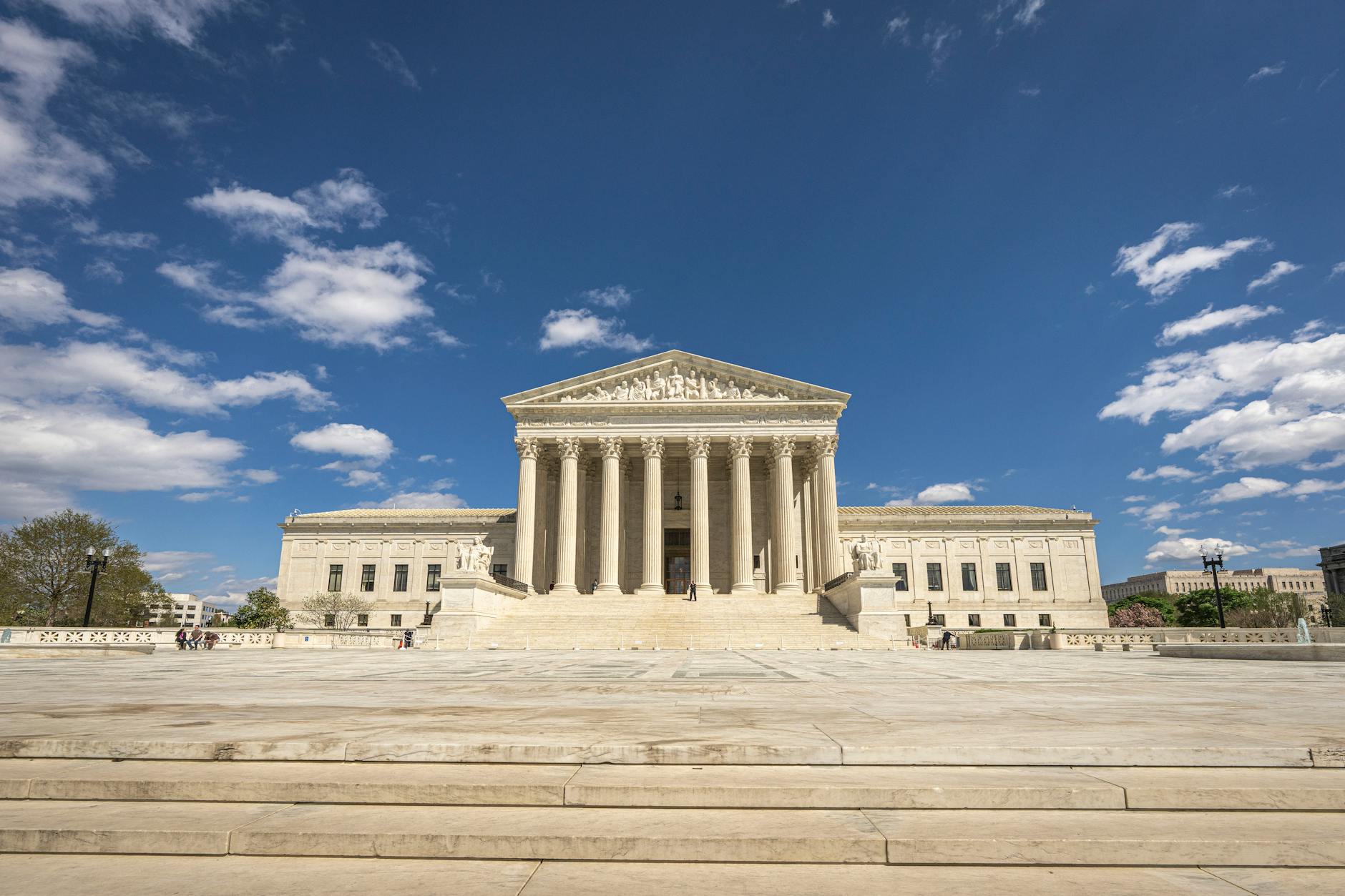
The U.S. Supreme Court is set to hear crucial arguments regarding whether oil and gas companies can be held financially responsible for the devastating effects of climate change. This landmark case, brought by states and municipalities, accuses major energy firms of knowingly deceiving the public for decades about global warming's dangers while profiting immensely. The outcome could significantly impact who bears the cost of escalating climate crises like heatwaves and wildfires, underscoring the urgent need for environmental accountability and a swift transition to sustainable practices. This decision could shape the future of climate litigation across the nation.
States and cities, including California and Boulder County, Colorado, are challenging the oil and gas industry in court, seeking compensation for the growing climate crisis. They argue that these powerful companies understood the risks of a warming planet for years but actively downplayed them to protect their profits. This alleged deception has led to more extreme weather, from scorching heat waves and devastating wildfires to prolonged droughts, impacting communities nationwide. The heart of these lawsuits claims these companies created a "public nuisance" and engaged in "civil conspiracy" by misleading the public.
California Attorney General Rob Bonta stated in 2023 that companies have "privately known the truth for decades but have fed us lies and mistruths to further their record-breaking profits at the expense of our environment" California sues five major oil companies for lying about climate change. Similarly, Boulder County won a state Supreme Court ruling allowing its case to proceed as a public nuisance, unjust enrichment, or civil conspiracy claim. Oil companies are appealing to the Supreme Court, arguing that such far-reaching claims should not be decided in state courts, fearing a chaotic mix of local rules and "ruinous liability" that could affect energy policy across the country. They suggest that federal law should "preempt," or block, these state-level actions. Legal experts on both sides are divided on whether existing federal environmental laws truly shield polluters from these kinds of accountability claims.
This case is a big deal because it could create a powerful new pathway for states and cities to recover damages from industries contributing to climate change. If successful, it would send a clear message about responsibility and the real financial costs of environmental harm. The Supreme Court's decision might not be straightforward, as Justice Samuel A. Alito recently withdrew from the case due to conflicts of interest, potentially leading to a tie vote. Regardless, this case highlights the growing urgency for collective climate action and the importance of pushing for cleaner, more sustainable energy solutions to protect our planet for future generations.