What if "black gold" isn't oil? A climate solution emerges.

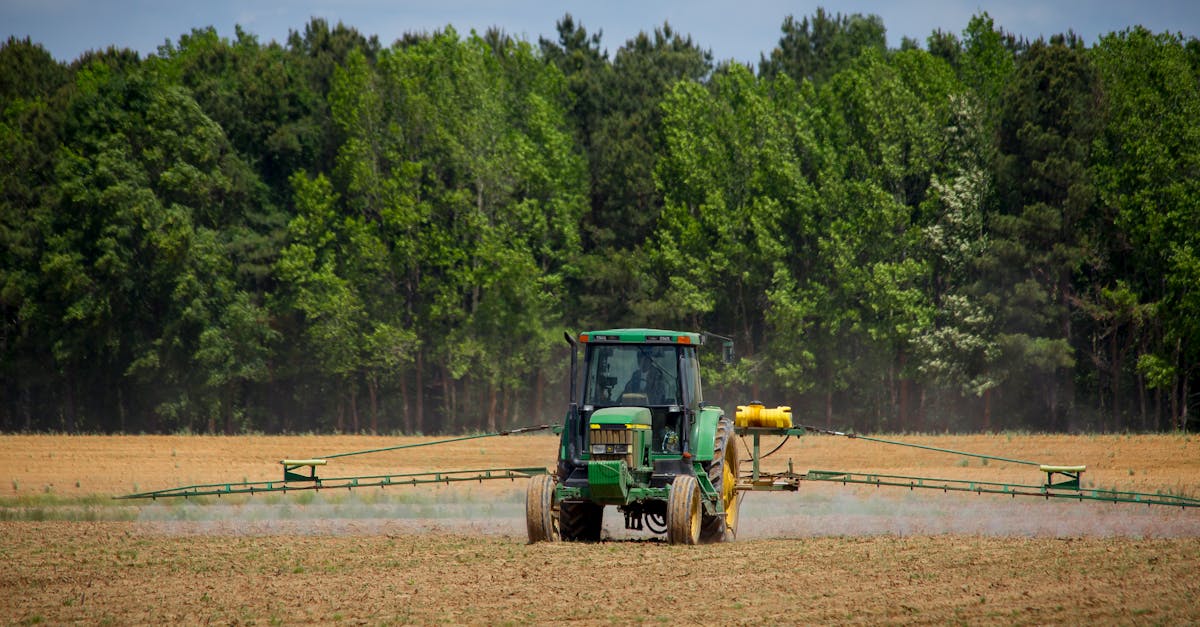
A remarkable material known as biochar is gaining traction as a powerful tool in the global effort to combat climate change. Made by heating organic waste without oxygen, biochar locks carbon away for centuries, significantly reducing atmospheric CO₂. This "black gold" not only helps clean the air but also dramatically improves soil health and turns agricultural waste into a valuable resource. Its rise in carbon markets highlights a vital step towards more sustainable farming and a cooler planet.
Biochar is a carbon-rich material created by heating plant waste, like crop leftovers or wood chips, in a low-oxygen environment. This process, called pyrolysis, stops the carbon from turning into greenhouse gases and instead stores it in a stable form that can remain in soil for hundreds or even thousands of years. This long-lasting carbon storage is crucial for tackling global warming, as studies suggest that scaling up biochar use could remove up to 1.8 gigatons of CO₂ annually. This isn't just a science experiment; it's a practical, scalable solution with big implications for our planet.
Beyond carbon removal, biochar offers incredible benefits for farming and the environment. When added to soil, it enhances water retention, helps plants absorb nutrients more efficiently, and improves crop yields. It also provides a smart way to manage organic waste, preventing it from decomposing and releasing potent greenhouse gases like methane. By transforming what would otherwise be discarded into a valuable product, biochar supports a circular economy and reduces air pollution from burning agricultural residues, especially in regions like Asia and Latin America.
The growing market for biochar carbon credits proves its importance. These credits allow projects to earn money for removing carbon, creating a financial incentive for wider adoption. Companies and individuals can purchase these credits to offset their emissions, backing projects that offer verifiable and long-term climate benefits. For instance, the market for biochar carbon removal credits has seen rapid growth, with over 3 million tons of CO₂ equivalent contracted by mid-2025, according to a market snapshot by CDR.fyi. Major corporations like Microsoft and Google are significant buyers, showing a strong demand for reliable carbon removal solutions.
While biochar credits are more expensive than many nature-based options like tree planting, they are generally more affordable than advanced technologies like direct air capture. This 'sweet spot' in pricing, combined with its proven ability to store carbon permanently and offer agricultural co-benefits, makes biochar a highly attractive investment for those serious about climate action. The industry is projected to grow significantly, with overall revenue for biochar activities potentially reaching US$3.3 billion by 2025. This shift from a niche product to a mainstream climate solution underscores the urgency and innovation driving sustainable environmental management.
However, scaling biochar production requires careful consideration of sustainable feedstock sourcing, ensuring that biomass doesn't compete with food production or lead to land degradation. Robust monitoring and verification processes are also key to maintaining the credibility of biochar carbon credits. Despite these challenges, ongoing advancements in technology and stricter quality standards are paving the way for biochar to play a much larger role in our fight against climate change, supporting both healthy soils and a healthier atmosphere for generations to come.