What if one launch changed everything for SpaceX?

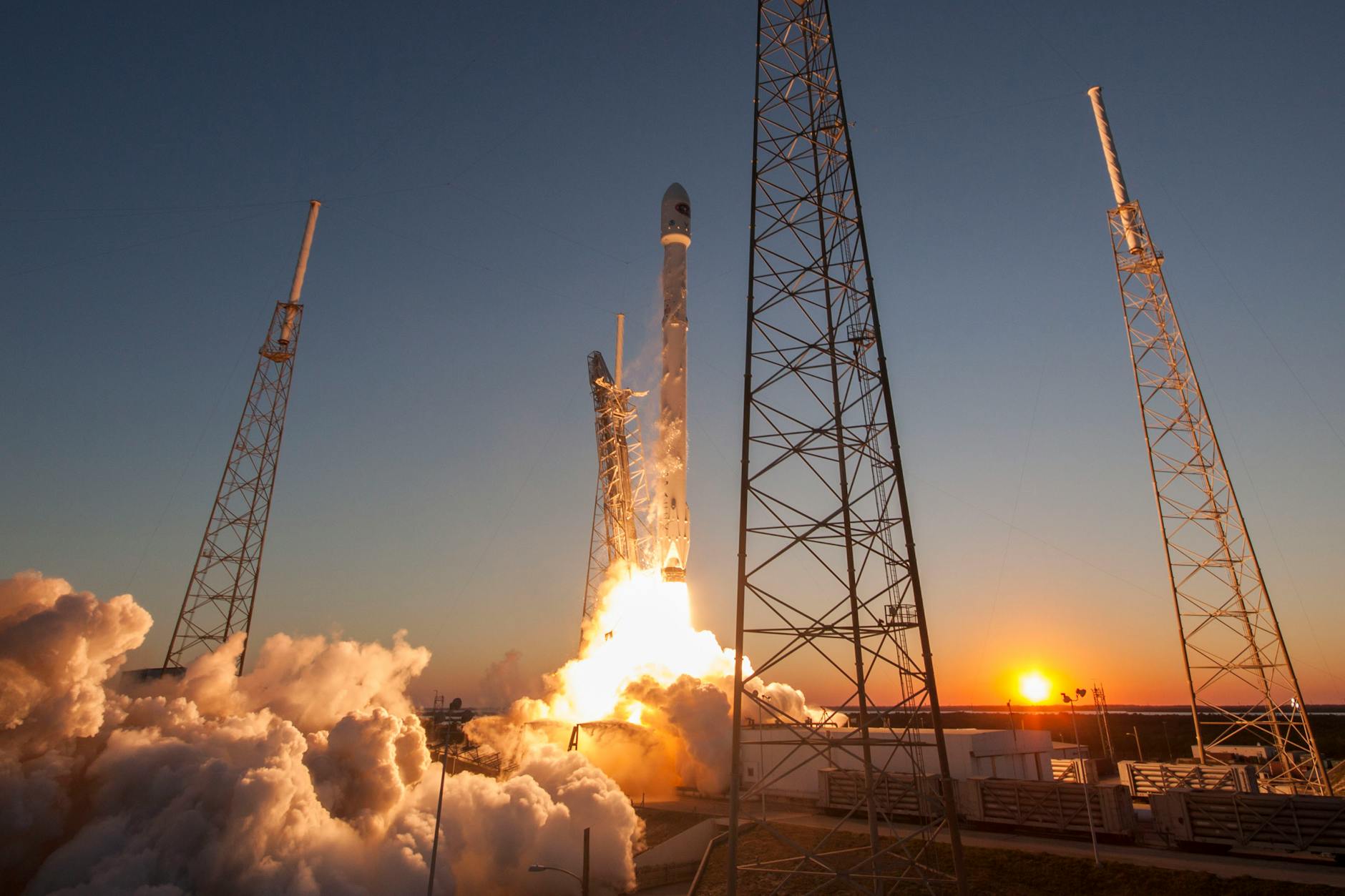
SpaceX, a titan in space exploration today, once teetered on the brink of collapse. After three consecutive failures of its foundational Falcon 1 rocket, the company had just enough funds for one last attempt. This make-or-break moment in 2008 was more than just a rocket launch; it was the hinge upon which the entire future of modern spaceflight, including projects like Starlink, depended. Had it failed, the industry landscape would look vastly different, underscoring the high stakes of innovation.
The early days of SpaceX were fraught with peril. The company’s first rocket, Falcon 1, faced a series of setbacks that nearly ended Elon Musk's ambitious venture before it truly began. The first launch in 2006 ended swiftly due to a faulty fitting. A year later, the second flight reached space but failed to orbit, undone by an unexpected propellant slosh in its upper stage. Engineers had to redesign critical components from the ground up, learning hard lessons with each try.
The third attempt in August 2008 saw a new problem: residual thrust from the first stage caused it to collide with the second stage after separation, once again ending the mission prematurely. With cash reserves dwindling, this string of failures pushed SpaceX to the edge. As Musk himself reflected, had the fourth launch not succeeded, SpaceX would simply not exist.
Just six weeks later, on September 28, 2008, the team made one final push. They addressed the residual thrust issue by delaying staging. The Falcon 1 lifted off from Omelek Island, and this time, everything went perfectly. The Kestrel engine ignited, and nine and a half minutes after liftoff, the rocket successfully placed its payload into Earth orbit. This landmark achievement made Falcon 1 the first privately developed liquid-fueled rocket to reach orbit. SpaceX restores a Falcon 1 rocket for 10th anniversary of first launch success
This single success was a turning point. It unlocked a crucial NASA contract for Commercial Resupply Services, which provided the financial lifeline SpaceX desperately needed. Without it, there would have been no Falcon 9 or reusable rockets, no Dragon capsules ferrying cargo and astronauts to the International Space Station, and global broadband from Starlink would remain a distant dream. The cost of launching anything into space would be far higher, and the pace of innovation for lunar and Mars missions would be years behind. This story highlights how critical moments of perseverance can shape not only a company's destiny but the future of an entire industry, making space more accessible for communication, Earth observation, and scientific advancement.