What Is the True Cost of Global Development? A Deep Dive

Inside Climate News' award-winning "Planet China" series has been honored for its groundbreaking work exposing the environmental consequences of China’s massive global development push. This investigative journalism unveiled often-hidden ecological and public health damage across several continents, challenging the narrative of "win-win" partnerships. The series highlights a critical global challenge: how economic expansion, even when framed as progress, can profoundly impact our planet's most vulnerable ecosystems and communities. Such reporting is vital for understanding and addressing the urgent need for sustainable global practices.
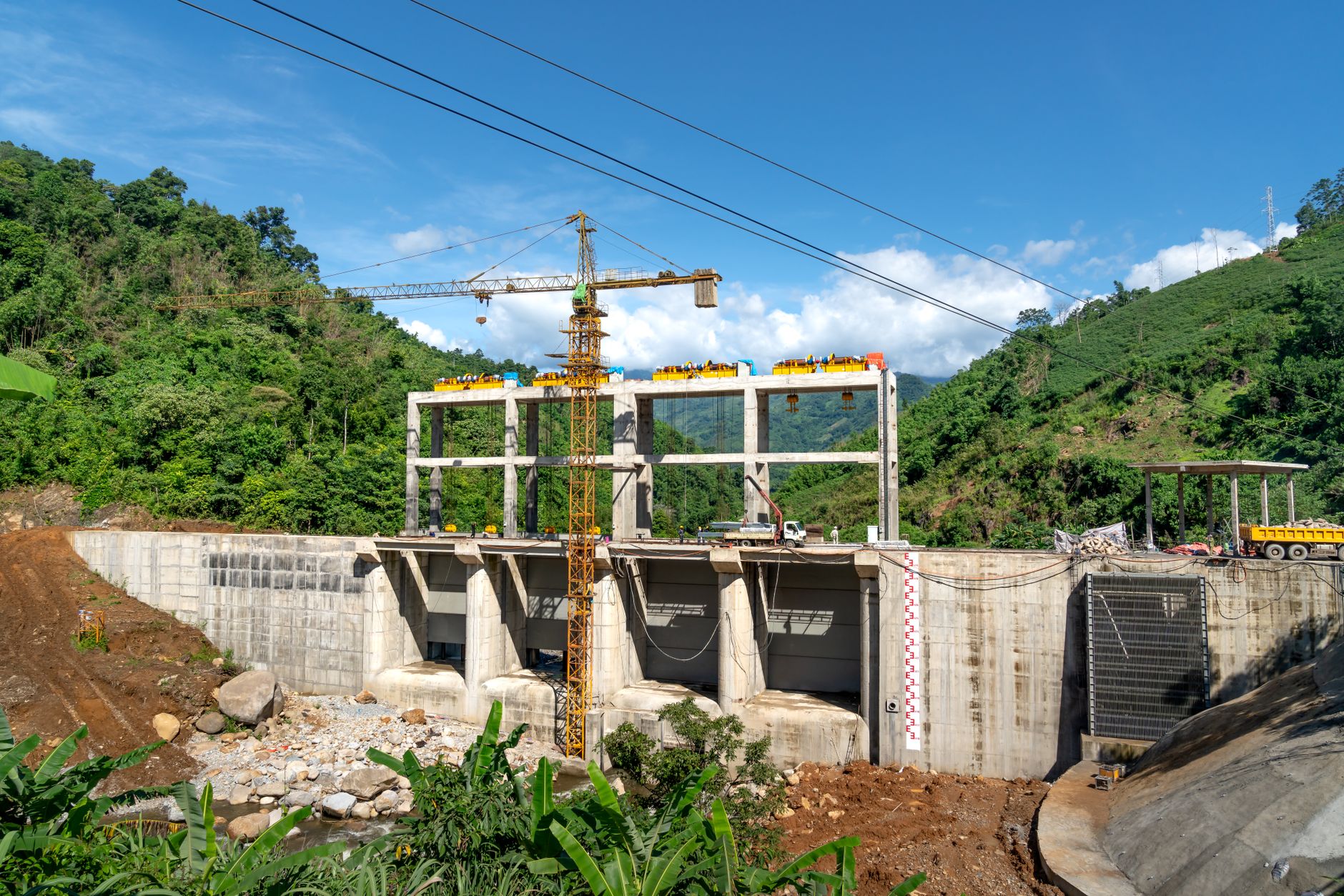
Inside Climate News’ "Planet China" series, now a finalist for the prestigious John B. Oakes Award, revealed the widespread, often overlooked, environmental consequences of China’s trillion-dollar global development initiatives. While China is a leader in renewable energy investments, crucial for battling climate change, its ambitious Belt and Road Initiative involves building vast networks of infrastructure like dams, mines, ports, and railways worldwide. These projects, though presented as beneficial partnerships, often come with significant environmental and public health costs.
The series, with reporting from countries like Indonesia, Ecuador, and Argentina, uncovered devastating impacts. For instance, Chinese-backed dams threaten Patagonia's largest glacial ice fields and even the habitat of the world’s most endangered great ape in Indonesia. In Zambia, a mine’s toxic waste-pit spill devastated local livelihoods, leading to pressure on villagers to sign away their rights. Meanwhile, a new port in Peru could push the Amazon rainforest closer to a tipping point, and numerous Chinese coal plants built globally make meeting climate pledges much harder.
Journalists faced considerable challenges, working in remote and sometimes dangerous regions, with reports of intimidation for those covering these issues. The Oakes Award judges praised the series for connecting the dots, revealing a system that often prioritizes speed over environmental caution. This reporting underscores the critical importance of transparent journalism in holding global powers accountable and ensuring that development truly benefits both people and the planet, rather than accelerating climate risks and environmental degradation. Collective action and sustainable practices are essential to protect our shared global environment.