What just made going solar much harder for homeowners in Alabama?

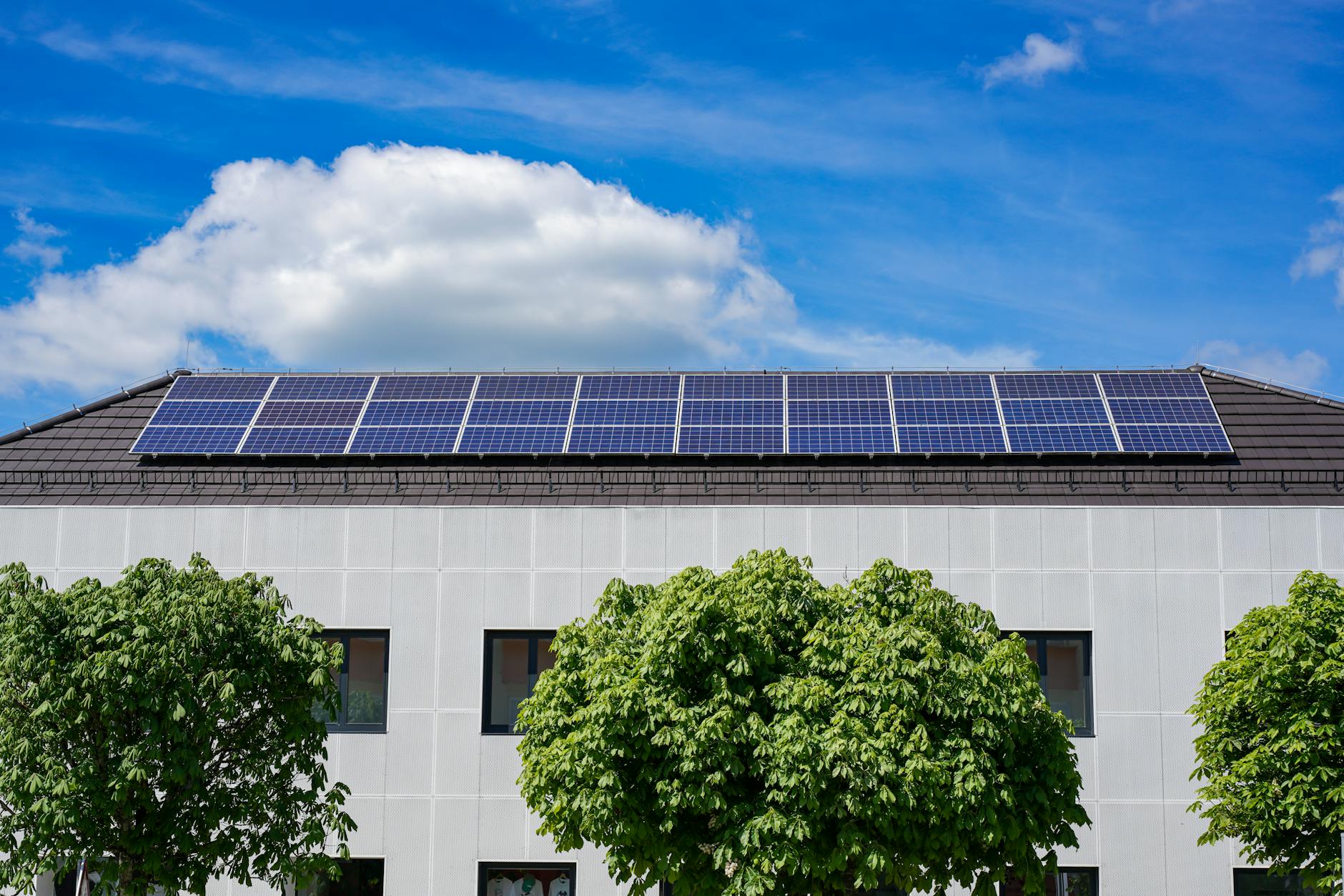
A federal judge has ruled that Alabama Power can continue charging one of the nation's highest monthly backup fees for residential solar customers. This decision concludes a long-standing legal challenge and is seen by advocates as a significant blow to clean energy progress in the state. The fee, which adds around $39 to an average solar homeowner's monthly bill, is widely criticized for slowing down solar adoption and delaying the shift towards sustainable, fossil-fuel-free electricity. Alabama currently ranks last per capita in residential solar capacity, underscoring the urgency of addressing barriers to renewable energy.
In a move that frustrates many homeowners and environmental groups, a federal judge recently dismissed a lawsuit challenging Alabama Power’s high monthly fee for residential solar users. This means the utility can continue to charge its customers who generate their own electricity a fee of $5.41 per kilowatt of solar capacity installed. For an average home solar setup, this translates to nearly $39 added to the bill each month, regardless of how much clean power they produce or send back to the grid. Alabama Power defends the charge, stating it covers the costs of maintaining the grid for when solar panels aren't generating power, such as at night or on cloudy days, arguing that all customers relying on the grid should contribute.
However, critics argue that this fee unfairly burdens those trying to embrace clean energy. Solar advocates highlight that the charge significantly extends the time it takes for a solar installation to pay for itself, making it far less appealing for homeowners. This has clear implications for Alabama's clean energy goals; the state lags dramatically in residential solar adoption, ranking 51st in residential solar capacity among U.S. states and territories, and last per capita, according to the Solar Energy Industries Association. The average size of a U.S. residential solar array in 2024 was 7.2 kilowatts, according to the Lawrence Berkeley National Laboratory. Investing in solar isn't just about personal savings; it's a vital step in reducing our reliance on fossil fuels, cutting carbon emissions, and building a healthier environment for future generations.
The challenges in Alabama don't stop there. Unlike many other states, Alabama does not offer "net metering," a common policy where solar customers receive fair credit for the excess electricity they feed into the grid. Instead, they are paid a much lower rate, further diminishing the financial incentives for going solar. This combination of high fees and limited incentives actively discourages people from choosing a cleaner, more sustainable energy path, slowing down crucial climate action and missing opportunities for local job creation and economic growth in the green sector.
Alabama’s situation stands out, as many other utilities have either rejected similar high fees or limited them to much larger systems. This isn't Alabama Power's first time facing scrutiny; an Inside Climate News investigation highlighted that the company had some of the highest residential power bills in the country in 2024. For instance, Georgia Power withdrew its proposed fee after significant opposition, and Virginia only applies a standby charge to much larger solar arrays. These comparisons highlight how Alabama's policies are uniquely hindering its transition to a cleaner energy future. Embracing solar and other renewable solutions is essential for lowering carbon footprints and securing a more sustainable future, making the removal of such barriers incredibly important for both individual consumers and the planet.