What keeps French wildfires burning, even after the flames fade?

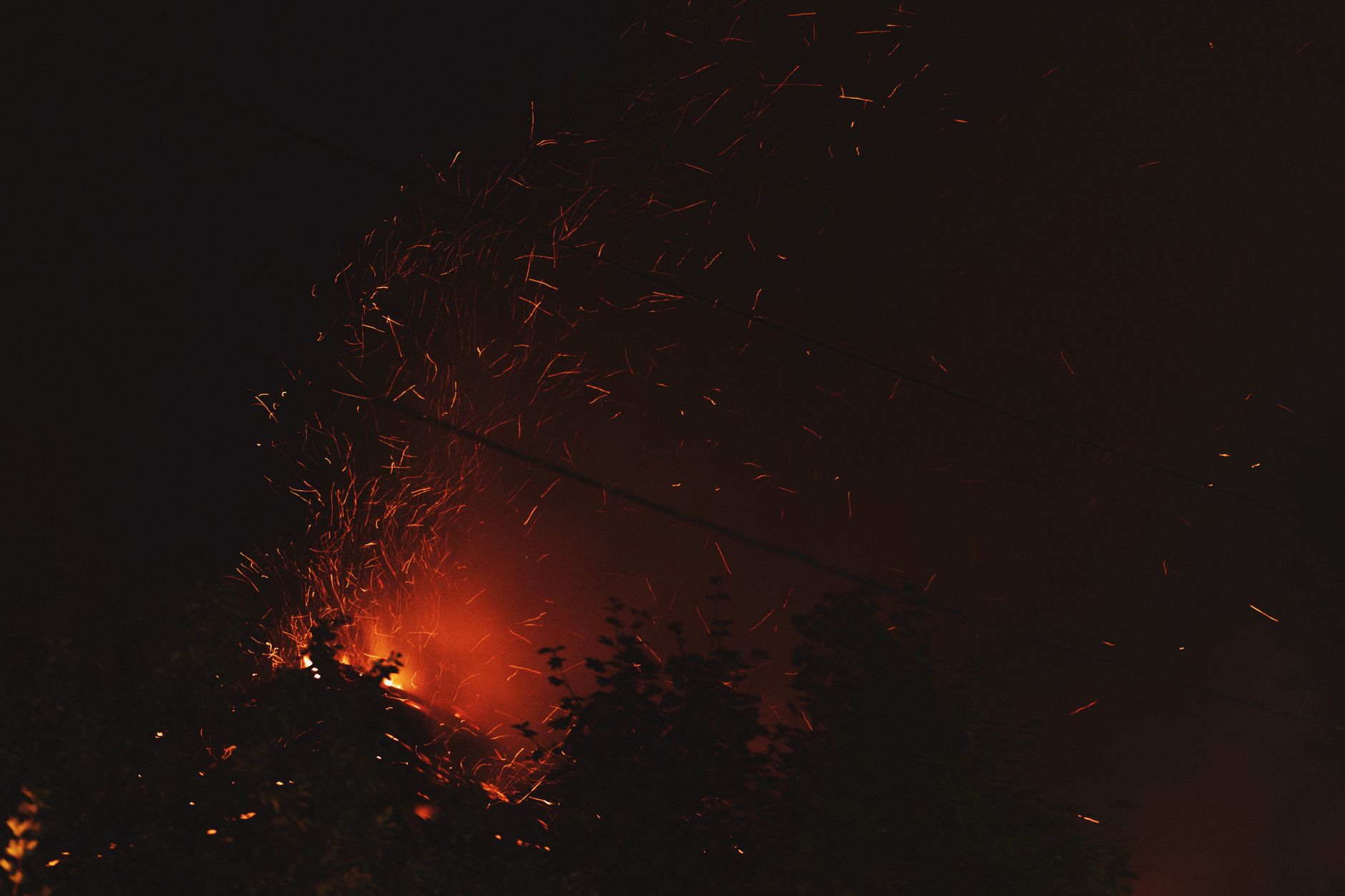
Wildfires are raging across Europe, with France facing its largest blazes in years. These devastating fires, fanned by extreme heat and prolonged drought, have consumed vast areas of forest, forcing hundreds of thousands to evacuate. The situation underscores the urgent reality of climate change and its direct impact on communities and natural landscapes. As firefighters work tirelessly, dedicated volunteers are stepping up to help combat persistent flare-ups, highlighting a collective effort to protect homes and nature.
In southwestern France, Jean-François Pauner is one of many volunteers trying to keep wildfires from reigniting. He describes the fires as “vicious,” burning underground and constantly restarting, despite efforts to extinguish them. This persistent threat has ravaged an area four times the size of Paris, near Bordeaux, displacing nearly a quarter-million people from their homes and vacation spots.
Europe is experiencing an exceptionally hot summer, creating prime conditions for wildfires from the Atlantic to the Mediterranean. Countries like the UK, Spain, Germany, Greece, and Turkey have all battled blazes this week. While cooler air has helped in parts of France, many areas still harbor dangerous “hot spots.” The prolonged drought and overall climate change are major factors, leaving vegetation extremely dry and ready to ignite.
Volunteers, whom Pauner calls “little eyes,” play a crucial role, reporting flare-ups and even supplying water to fire crews. Firefighters are also using painstaking methods, digging into the forest floor to douse buried embers. Authorities suspect some fires began inadvertently, while others are attributed to criminal negligence or arson, leading to numerous arrests. The widespread fires across the continent serve as a stark reminder of the increasing need for sustainable practices and global action to address climate change.