What new silent threat do whales now face?

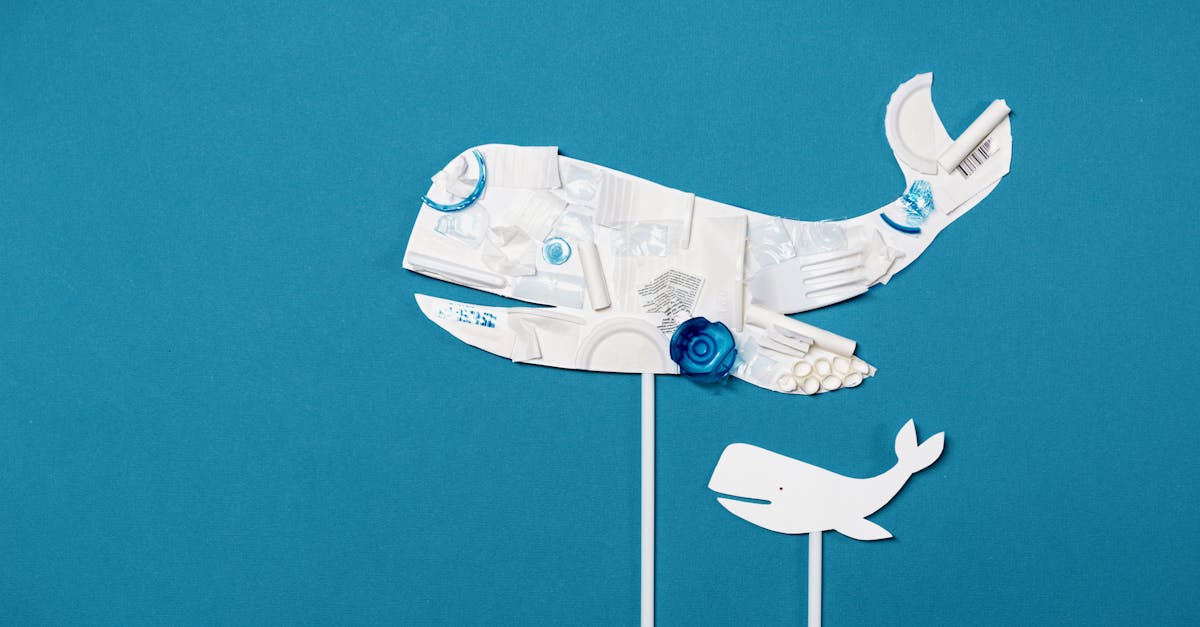
For decades, after the global ban on commercial whaling in the 1980s, many whale populations began to bounce back from the brink of extinction. However, a new and urgent threat has emerged: rapidly warming oceans. Recent studies highlight how rising sea temperatures are dramatically slowing whale birth rates and shrinking their vital feeding grounds. This environmental shift not only puts these magnificent creatures in greater danger from human activities, such as entanglements near shore, but also jeopardizes the hard-won conservation progress of past generations, underscoring the critical need for climate action.
After decades of devastating commercial whaling, which nearly wiped out these majestic ocean dwellers, conservation efforts helped many whale populations begin to recover. It was a hopeful chapter for species like humpbacks and Southern right whales, but now, a new and growing challenge threatens to undo this progress: climate change.
New research from areas ranging from California’s coast to the Antarctic reveals the profound impact of rising ocean temperatures. These warmer waters are directly affecting whales by slowing down their birth rates, making it harder for new calves to join the population. Additionally, their crucial feeding grounds are shrinking, forcing some whales closer to shore in search of food.
This shift brings increased risks, including more frequent and dangerous entanglements with fishing gear and other human activities. The situation underscores the urgent need for global efforts to combat climate change, as the health of our oceans and the future of species like whales depend on it. Protecting these vital creatures is not just about their survival, but about maintaining the delicate balance of our planet's marine ecosystems.