What's Being Lost in British Columbia's Last Ancient Forests?

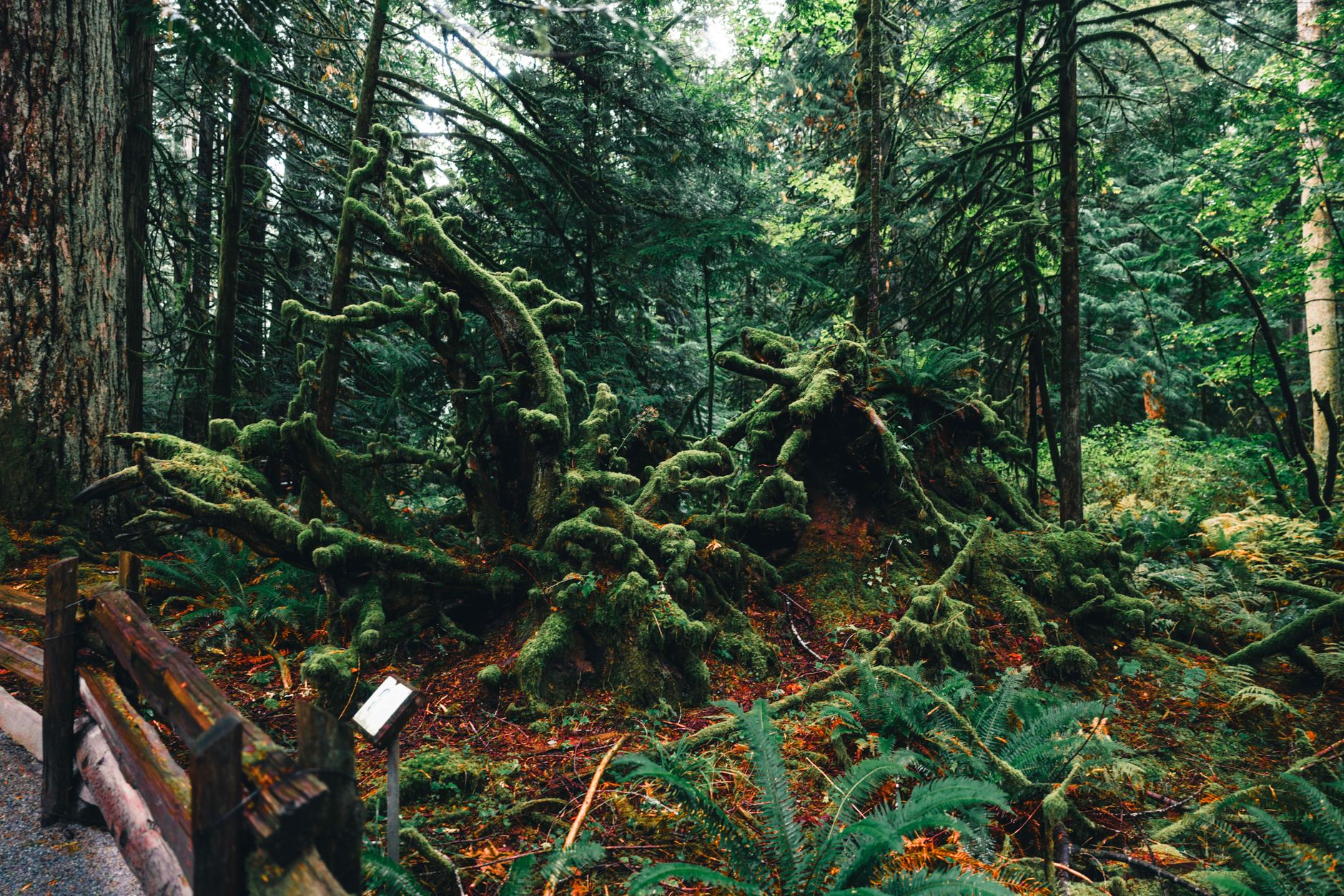
A quiet but determined battle is unfolding in British Columbia, where activists are actively protesting the logging of the region's last remaining old-growth forests. These ancient rainforests, some home to thousand-year-old trees, are incredibly rare, covering less than one percent of Earth's land surface. They serve as vital carbon stores and irreplaceable habitats. As logging continues, the urgency to protect these unique ecosystems for their environmental value and the future of our planet grows with each passing day.
In the quiet, pre-dawn hours on Vancouver Island, a small group of forest defenders recently set up camp, blocking a logging road. Their goal: to halt the felling of ancient trees. Though a small victory, their action highlights an urgent, long-standing conflict over British Columbia's old-growth forests.
These coastal temperate rainforests are incredibly special, housing some of the Earth's most efficient carbon-storing systems and providing homes for countless species. Many of these trees have stood for millennia, yet can be cut down in a single hour. Historically, industrial logging has decimated most of Vancouver Island’s productive old-growth forests. Today, only about 20% remain, and even much of that is still open to logging.
This isn't a new fight. Decades ago, similar 'Timber Wars' in the U.S. West led to protections. More recently, British Columbia saw over a thousand arrests at Fairy Creek, winning temporary deferrals for some areas. However, as those protections expire and logging continues elsewhere, activists, including First Nations elders like Bill Jones, continue to plead for the survival of what little is left. Jones, 86, has witnessed his ancestral lands become 'practically naked' from logging and now strives to save the 'few remnants.'
The dilemma pits economic interests against environmental preservation. While the province acknowledges the importance of old growth, its government also aims to boost the forestry sector, citing the industry's significant employment figures. Critics argue these goals are incompatible.
Forest ecologists warn that once an old-growth forest is cut, it would take millennia—if ever—to regain its complex structure and function, especially in a changing climate. These forests don't just provide wood; they support vibrant ecosystems, attract tourism that some studies suggest outweighs their lumber value, and hold deep cultural significance. For many, like Steven Daniluk, a veteran blockader, and Veronika Sitar, who documents these vanishing giants, the fight is deeply personal. They believe protecting these irreplaceable natural treasures is the only path forward, urging greater public awareness and action before it’s too late.