What's Brewing? A Swirl of Hurricanes Threatens Global Coasts.

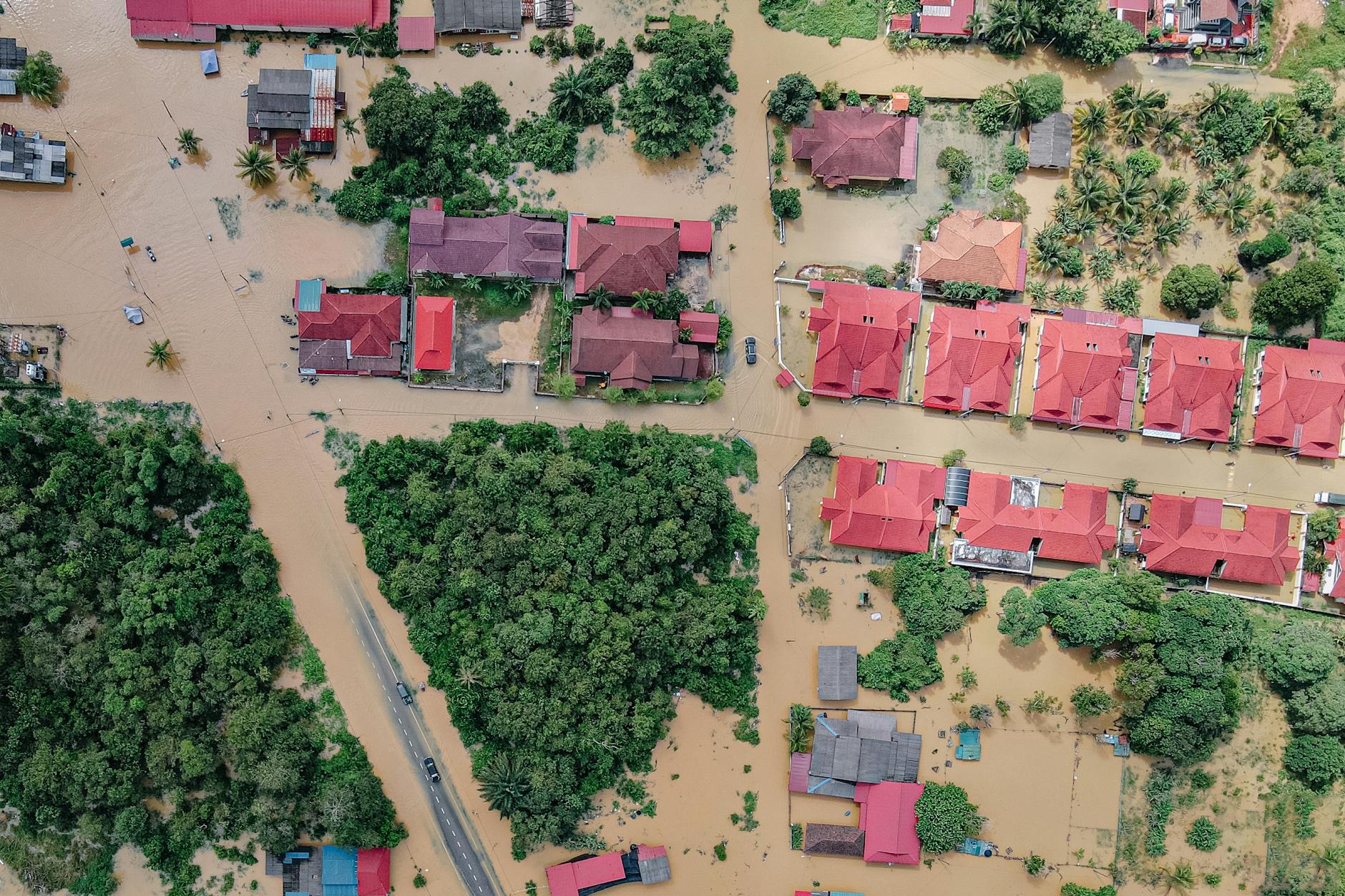
The global oceans are currently experiencing an unusually high level of storm activity, with multiple hurricanes and tropical storms churning across both the Pacific and Atlantic basins. Hawaii is bracing for potentially catastrophic flash flooding from Hurricane Nolo, while Mexico's coast has already been battered by Category 5 Hurricane Polo. Additionally, a rare September nor'easter is bringing significant coastal flooding and erosion to the U.S. Northeast. This surge in powerful weather events underscores the increasing vulnerability of coastal communities and the urgent need to understand and adapt to changing climate patterns.
The world's oceans are exceptionally active right now, with a flurry of powerful storms creating hazards across multiple regions. In the Pacific, three hurricanes are active simultaneously, bringing immense power and significant threats. This intense period reminds us of the planet's dynamic weather systems and the growing urgency of preparing for more extreme events.
Hurricane Polo, once a Category 5 storm, has been a force off Mexico's coast, creating dangerous surf and heavy rains. While its most destructive core avoided a direct hit, the storm is still expected to make landfall on the Baja California peninsula, bringing widespread flooding and landslide risks. The National Hurricane Center (NHC) showed Polo centered about 410 miles (660 km) south-southeast of Cabo San Lucas, Mexico, on Friday morning, with enormous seas close to the hurricane. Such powerful and long-lasting hurricanes highlight the severe challenges coastal communities face.
Hawaii faces a severe threat from Hurricane Nolo, which is forecast to intensify significantly. Even without a direct landfall, its slow movement will bring torrential rains, with parts of the Big Island expecting up to 25 inches of rain, leading to catastrophic flash flooding and mudslides. The island's mountainous terrain makes it especially vulnerable, underscoring the critical need for robust emergency preparedness in the face of escalating climate impacts.
Further west, Hurricane Odalys, while powerful, thankfully remains far from land. As of early Friday, it was located nearly 1,000 miles away from Baja California Peninsula. However, forecasters are already tracking two new areas in the Pacific with a high chance of developing into tropical cyclones, suggesting this active storm season is far from over. The eastern Pacific had already produced 16 named storms, six hurricanes, and three major hurricanes through early September 25, with its accumulated cyclone energy running around 54% above normal for this point in the season, according to Colorado State University.
The Atlantic basin is also seeing increased activity. Tropical Storm Fay is drifting harmlessly over the open ocean, with early Friday reports placing it more than 1,000 miles west-southwest of the Azores. Newly formed Tropical Storm Gonzalo poses an immediate threat to the Cabo Verde Islands and parts of West Africa. With maximum sustained winds around 50 mph (85 km/h), Gonzalo is bringing strong winds, heavy rain, and dangerous seas, prompting warnings for residents.
Adding to the global picture, an unusually early nor'easter is impacting the U.S. East Coast, from North Carolina to Maine. This storm has already caused major coastal flooding, damaging highways and isolating communities. Severe damage to a 500-foot section of highway NC-12 was reported on North Carolina's Outer Banks. This prolonged event, rare for September, is set to bring more widespread flooding, huge surf, and high winds to southern New England and the New York City area, further emphasizing the need for resilient infrastructure and climate adaptation strategies. At high tide on Friday morning, the tide gauge at Duck, North Carolina, recorded its 8th-highest water level since records began in 1977.
From record-setting hurricanes to unusual seasonal storms, this period of intense weather activity serves as a stark reminder of our changing climate. Communities worldwide must prioritize sustainable solutions and preparedness to mitigate the escalating risks of flooding, erosion, and extreme weather events.