What's Changing in the Arctic Right Now?
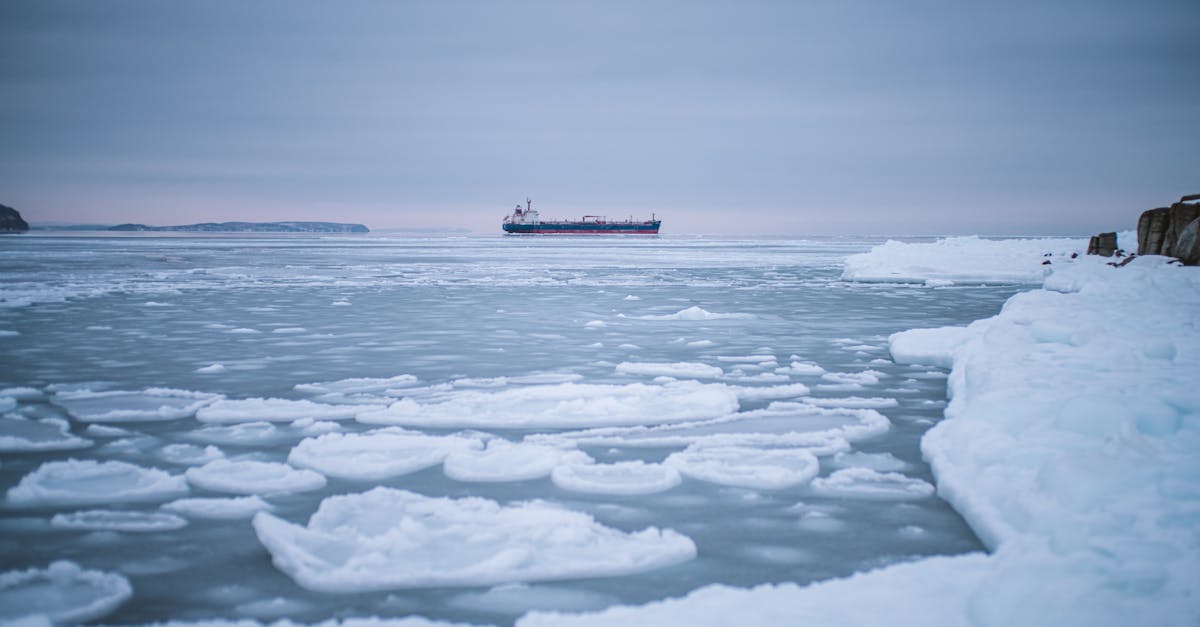
While a cold snap grips the U.S., the Arctic is warming at an alarming rate, four times faster than the global average, shrinking sea ice and opening new shipping paths. Federal scientists warn of record heat, thawing permafrost releasing toxic metals that are turning rivers orange Arctic report card. Now, policy shifts under the Trump administration are accelerating commercialization, opening protected Alaska waters to oil and gas drilling and paving ways for mining, heightening risks in this fragile zone already driving global climate urgency.
The Arctic's rapid changes aren't just local—they amplify global warming everywhere. Less sea ice means more heat absorption by darker oceans, speeding up the cycle. Thawing ground releases ancient methane and poisons waterways, threatening ecosystems and communities far beyond the poles.
Against this backdrop, the U.S. is pushing to exploit the region. Protected Alaskan waters are now open for oil and gas, and plans advance for a road to a massive copper-zinc mine. An executive order prioritizes securing Arctic shipping lanes executive order, while efforts ramp up military presence and influence over Greenland, including new icebreakers and high-level visits Vance visit.
This rush for resources clashes with the urgent need to curb fossil fuels. Drilling here would pour more emissions into the atmosphere just as electrification and renewables offer cleaner paths forward. Protecting the Arctic demands collective action to prioritize sustainability over short-term gains, safeguarding our planet's future.