What's Driving the Record Bets Against SpaceX's Stock?

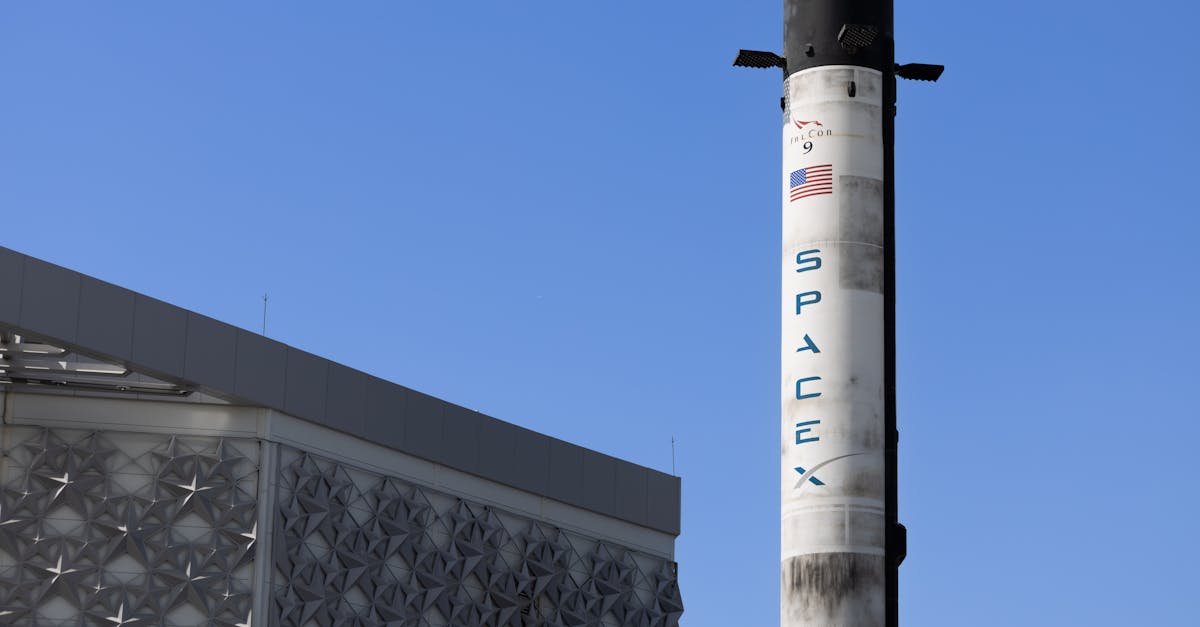
SpaceX's recent public debut has quickly become a high-stakes arena, drawing intense debate and record short interest from investors. Despite a soaring initial valuation, the stock has seen significant volatility, sparking warnings from CEO Elon Musk and venture capitalist Chamath Palihapitiya. Their caution echoes the early days of Tesla, where similar aggressive bets against the company proved costly for short sellers. With its first earnings report now out, the future direction of SpaceX's stock, and its ambitious Starlink and AI ventures, remains a hotly contested topic.
SpaceX, which went public on June 12, 2026, with the largest IPO on record, quickly saw its shares jump before facing a sharp decline. After reaching an all-time high of $225.64, briefly valuing the company over $2 trillion, the stock retreated to the $108–$125 range.
This volatility has been met with a dramatic increase in short positions, reaching approximately 34 percent of the available shares by late July. These bets against SpaceX have surpassed the dollar value of short positions previously seen against Tesla, indicating significant skepticism among some investors.
Venture capitalist Chamath Palihapitiya has drawn parallels to Tesla’s early struggles, where short sellers ultimately “went broke.” CEO Elon Musk has also issued strong warnings, stating that the “survival probability of firms who maintain a significant short position in SpaceX over time is very low,” and reiterated his view that the company could eventually be worth more than Earth.
SpaceX's first quarterly results as a public company revealed strong growth, with revenue rising 92 percent year-over-year to $7.8 billion, beating expectations. The net loss narrowed, performing better than projected. Starlink and connectivity services contributed significantly, as did the company's emerging AI business. Despite heavy capital expenditures for AI infrastructure, management outlined ambitious projections, aiming for a $100 billion annual revenue run rate by year-end 2026 and even $1 trillion by 2030.
This blend of financial performance, high growth targets, and outspoken warnings from key figures sets the stage for a critical period for SpaceX's stock. The debate pits those betting on near-term stock pressure against long-term believers in Starlink’s expansion, Starship’s progress, and the potential of orbital AI.