What's in Pennsylvania's Water? The Unseen Cost of Deregulation

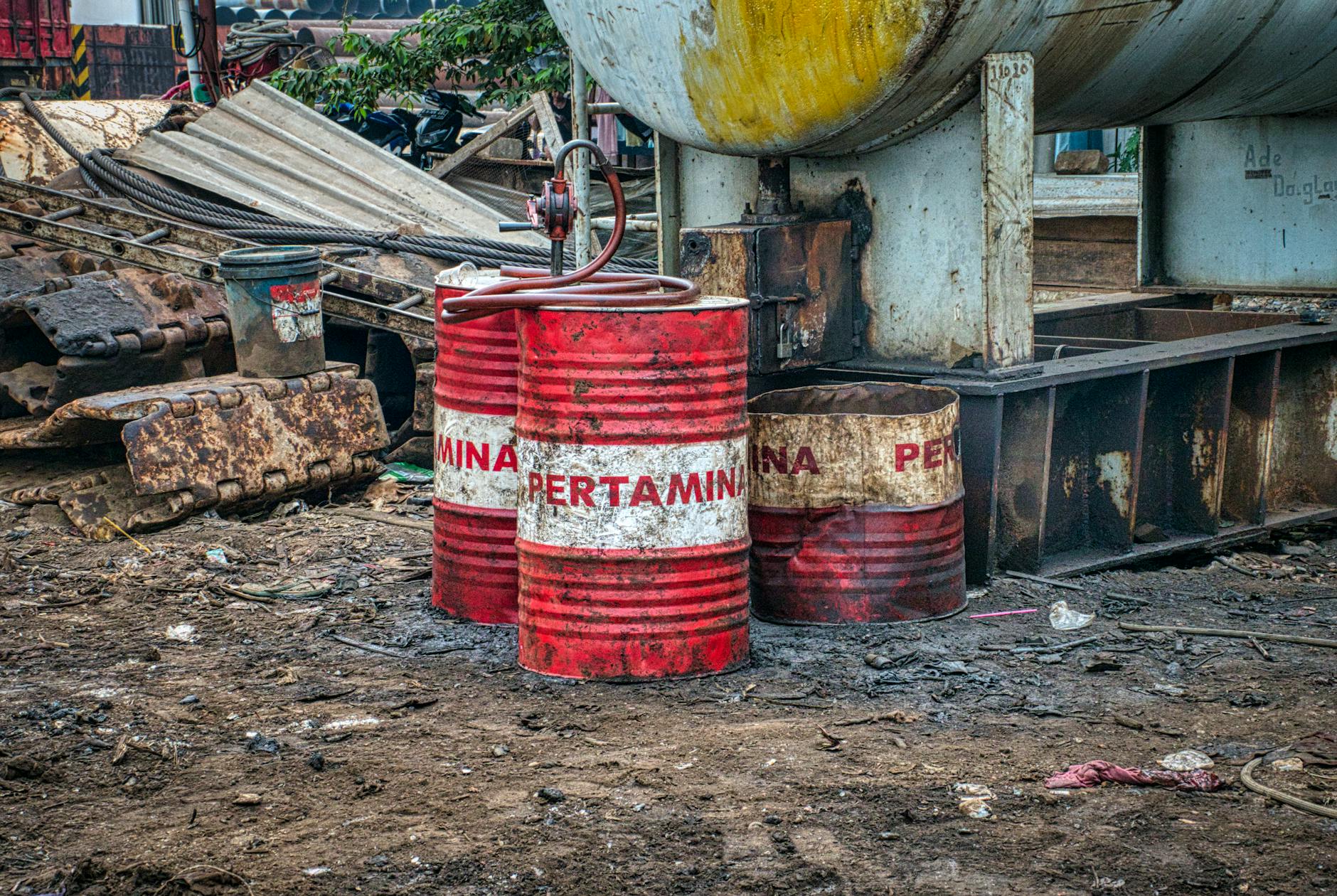
New reports highlight the human cost of environmental policy rollbacks, connecting a jet fuel spill in Pennsylvania to widespread plastic pollution in Guatemala. These incidents underscore a troubling trend where reduced oversight for the fossil fuel industry leads to significant health and environmental consequences for ordinary people. The stories reveal how weakened regulations can allow contamination to persist, affecting vital resources like drinking water and breathable air, emphasizing the urgent need for stronger environmental protections and sustainable solutions.
For over a year and a half, residents in a Pennsylvania community have battled a pervasive problem: jet fuel contaminating their drinking water. This crisis began in 2023 when locals detected a strong gasoline smell and taste in their wells, eventually tracing it to a ruptured 68-year-old pipeline owned by Energy Transfer. Despite initial denials from the company, 16 gallons of jet fuel were found floating in one well, and toxic components like benzene were discovered in 28 private wells, posing long-term health risks like cancer.
While the company quickly repaired the leak in a day, the cleanup for residents continues to drag on. Federal agencies, including the Pipeline and Hazardous Materials Safety Agency (PHMSA) and the Environmental Protection Agency (EPA), have significantly reduced their enforcement actions. This reduction in oversight aligns with a broader agenda of easing regulations on the fossil fuel industry, reportedly influenced by substantial political donations. This situation leaves affected communities feeling unprotected and struggling for clean water.
Across the globe, another form of fossil fuel pollution—plastic waste—is overwhelming communities in countries like Guatemala. Over the last decade, Guatemala imported more than a million tons of household plastic goods, with limited infrastructure to manage the waste. In rural areas, where garbage collection is scarce, three-quarters of households resort to burning plastic, releasing toxic fumes that cause severe respiratory issues, particularly for women and children who cook indoors.
This global plastic crisis highlights the pervasive reach of fossil fuel-derived products and the urgent need for systemic change. While individual efforts to reduce, reuse, and recycle are encouraged, the sheer volume of non-recyclable plastic demands stronger regulations on manufacturers and improved waste management infrastructure. Promising initiatives, such as community collection centers and the introduction of clean electric induction stoves, offer a path towards reducing plastic burning and improving air quality. These examples underscore the critical importance of transitioning to cleaner technologies and robust environmental safeguards to protect both local communities and the planet from pervasive pollution.