What's Killing Rudolph by Christmas?

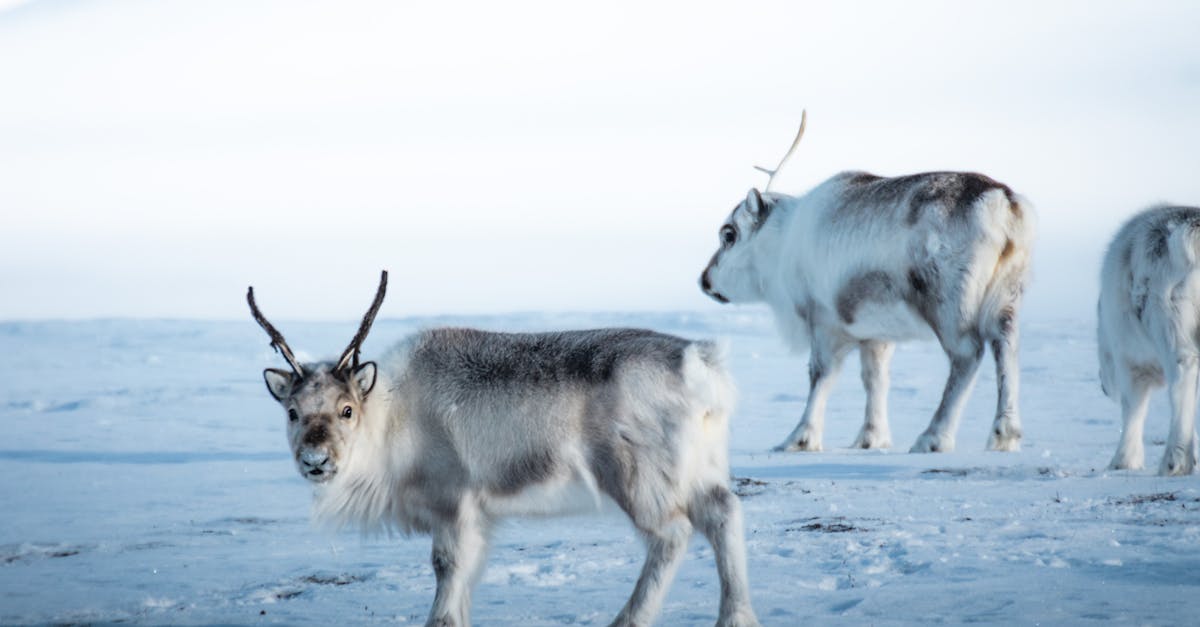
Global warming is turning cherished Christmas traditions upside down, from vanishing snow to skyrocketing chocolate prices and struggling reindeer herds. Extreme weather fueled by human-caused climate change has slashed cocoa yields in West Africa, pushing prices over $10,000 per ton and signaling a new normal for holiday treats Climate Central analysis. Christmas trees face pests and stunted growth, while reindeer could drop over 50% by century's end due to habitat loss Science study. These changes highlight the urgent need for action to protect our planet and preserve holiday joy amid rising temperatures.
Picture a cozy Christmas with hot cocoa and a snowy landscape—but climate change is making that harder each year. In West Africa, where most cocoa comes from, record heat added weeks of scorching days, crashing harvests and jacking up prices Climate Central. Scientists warn this volatility is here to stay, hitting other treats like sugarcane and cinnamon too.
Christmas trees in top U.S. spots like Oregon and North Carolina are battling warmer winters and pests, leading to smaller supplies. Researchers are breeding tougher varieties, but the stress from shifting climates is real.
Even Rudolph is in trouble. A new study shows reindeer populations could halve by 2100 from lost Arctic habitats and overheating, releasing more carbon and worsening warming Science. White Christmases are fading too, with snow odds dropping across the U.S. as winters warm.
Holiday shopping adds fuel, spewing emissions from making and shipping gifts—plus returns double the pollution. The fix? Go local, secondhand, or gift experiences to cut waste and fight climate urgency. Small steps now protect traditions and our planet for good.