What's Lurking in California's Fields? Families Demand Answers

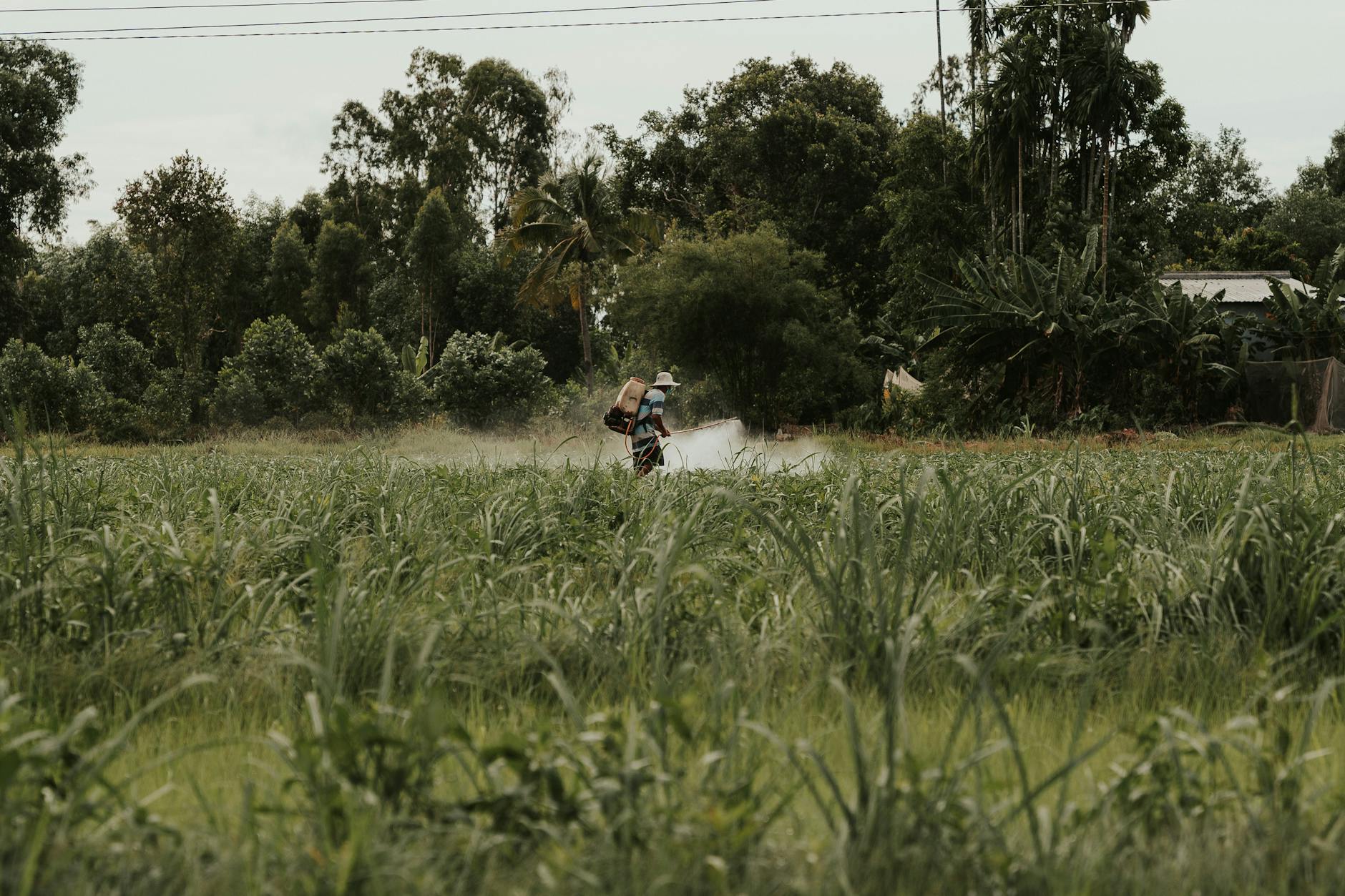
California's reputation as an environmental leader is under scrutiny as farmworkers and their advocates recently confronted state legislators, describing a broken pesticide regulatory system. Families shared harrowing accounts of severe health issues, including cancers and birth defects, which they attribute to exposure to harmful chemicals. Critics charge that the state's Department of Pesticide Regulation (DPR) fails to protect vulnerable communities, allowing the use of many chemicals banned in dozens of other countries. This raises urgent questions about environmental justice and the state's commitment to public health.
During a recent legislative hearing in Sacramento, farmworkers bravely shared their personal stories of enduring pesticide exposure. Women recounted being sprayed while working in fields, leading to chronic asthma, liver disease, and cancer in their families. They spoke of children born prematurely, with birth defects or neurodevelopmental problems, emphasizing the deep impact on generations. Children as young as eleven described working alongside parents, highlighting the economic desperation that forces them into hazardous environments.
The core of the problem, critics argue, lies with the California Department of Pesticide Regulation (DPR). The agency allows the use of nearly three dozen chemicals that are not approved for use due to health concerns in numerous countries, including the European Union and many nations in Asia, Africa, and Latin America. For instance, chloropicrin, a chemical once used as a weapon in World War I, has been under "re-evaluation" by the DPR since 2001, despite being linked to over 1,000 illnesses in California between 2000 and 2015, according to a 2019 study. Similarly, millions of pounds of the cancer-causing fumigant 1,3-dichloropropene, which is banned in 40 countries, were applied in 2023.
Earlier this week, the DPR announced the voluntary cancellation of products containing paraquat-dichloride, a weed killer. While welcomed, activists pointed out that the European Union banned paraquat almost two decades ago, and concerns remain over existing stocks and its link to Parkinson's disease, as noted by growing evidence. Studies have revealed pesticide breakdown products in pregnant women, breastmilk, and homes in agricultural areas, with higher exposures linked to cognitive issues and health problems in children, as seen in the CHAMACOS study. These devastating health effects disproportionately burden low-income, predominantly Latino and Indigenous farmworker communities, who are four times more likely to suffer acute pesticide-related illnesses.
Experts and activists are urging regulators to move faster to phase out the most dangerous pesticides and accelerate the adoption of safer, sustainable alternatives. They also highlight the crucial need to assess the cumulative impact of these chemicals, rather than evaluating them one by one, especially when combined with social stresses. The current system, critics contend, is hampered by a conflict of interest, as much of the DPR's budget comes from fees on pesticide sales, creating a disincentive to remove toxic products. Legislative efforts, like the recently passed Assembly Bill 2113, aim to boost funding for sustainable pest management, but real change requires strong political will to prioritize human health and environmental protection over industry interests. As farmworker activist Dolores Huerta starkly put it, "Our people are dying."