What’s Next for Your State’s Water Protections?

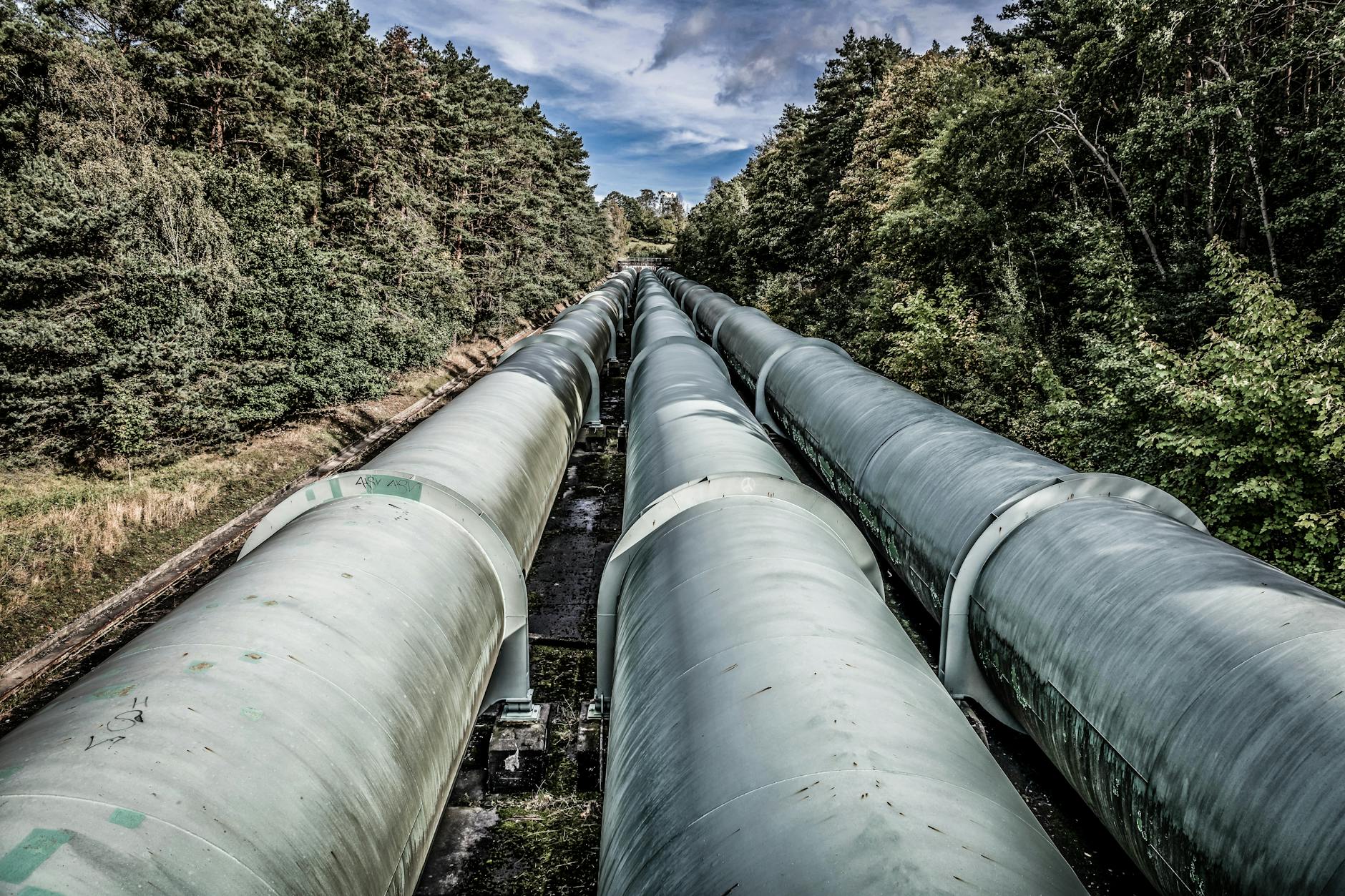
The Trump administration is advancing new rules under the Clean Water Act that could significantly curb states' and tribes' ability to block major energy projects like pipelines and dams. These changes would narrow the scope of environmental reviews, limiting states to considering only direct pipe discharges, rather than a project's broader impact on water quality. Critics argue this move, despite claims of "cooperative federalism," will ultimately weaken vital protections for America's waterways and undermine local control over critical environmental decisions. This shift makes it easier to approve projects that could further contribute to climate change and pollution, highlighting the ongoing urgency of safeguarding our natural resources.
The Clean Water Act includes a crucial provision, Section 401, which requires that any project potentially polluting a navigable waterway must first receive a water-quality certification from the affected states or tribal lands. This local approval is a prerequisite for obtaining federal permits. However, new proposals from the Trump administration aim to dramatically alter this process.
The administration argues these revisions bring clarity and prevent states from improperly using their authority to veto projects for reasons beyond specific water quality issues. Yet, environmental and state advocates, including some from Republican-led states, strongly disagree. They warn the real effect will be a sharp reduction in federal water protection and a significant loss of state and tribal power to address threats to water quality within their own borders.
Historically, states have examined various impacts like sedimentation, temperature changes, and alterations to water flow when reviewing projects. The new rules, however, would limit reviews strictly to "point source discharges"—pollution from a specific pipe or channel. This narrow focus could miss broader, interconnected environmental damages.
This isn't the first time such changes have been attempted; similar rules during Trump's first term were reversed by the Biden administration. Furthermore, the new proposals would severely restrict tribal participation in water quality certification, recognizing authority only for tribes with extensive, costly water quality programs, which excludes most tribal nations.
Past conflicts, such as Washington state's denial of a major coal export terminal permit due to environmental concerns, or the Mountain Valley Pipeline facing years of delays from state water quality disputes, underscore the critical role state authority plays. While most permits are approved smoothly, these examples show how local control can be a powerful tool for environmental protection. As these new rules move toward finalization, the future of projects like the Constitution Pipeline in New York, previously stalled by state objections, could be significantly impacted, potentially paving the way for more fossil fuel infrastructure and further challenging our collective efforts for a sustainable future.