What Saved Some LA Homes from Wildfire?

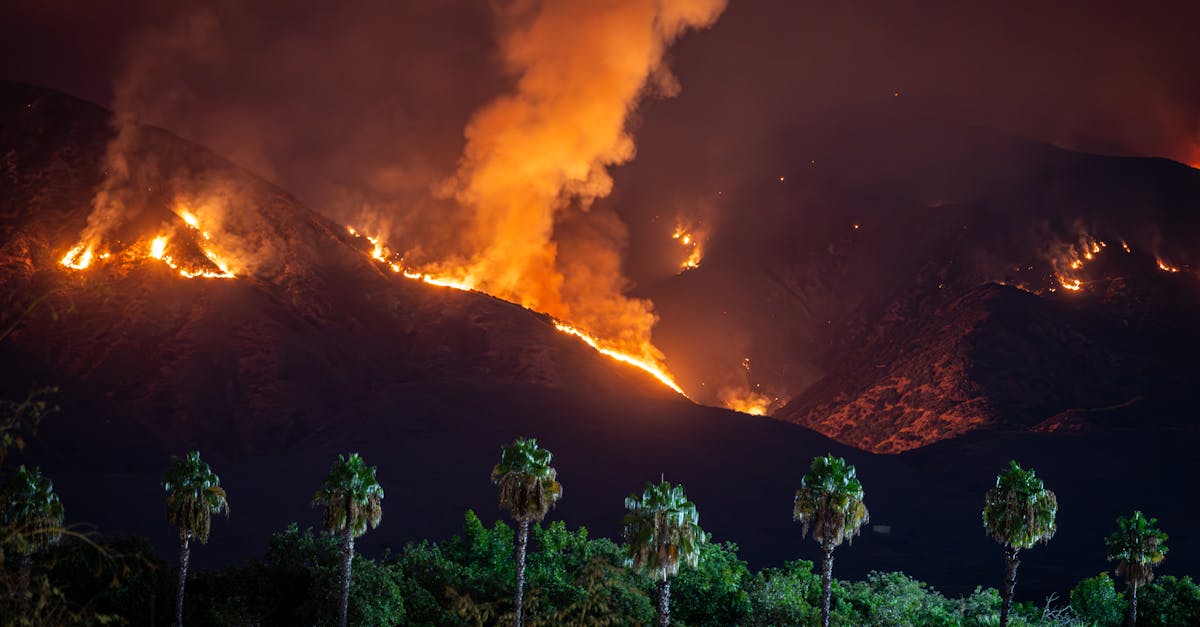
Early adopters of 'zone zero'—clearing brush and flammables within five feet of their homes—saw far better outcomes in the recent Eaton and Palisades fires in L.A. County, according to a new IBHS report. Homes with minimal vegetation in this critical zone had only 9% destruction rates, compared to 27% where it was overgrown. As climate change fuels more intense wildfires, these findings underscore the urgent need for proactive defenses like defensible space and home hardening to protect communities and reduce fire spread in our warming world.
The Insurance Institute for Business & Home Safety inspected over 250 homes in Altadena and Pacific Palisades right after the fires. They found that clearing the zone zero area made a huge difference. Fires jump from wildlands to homes easily, especially in tight neighborhoods, turning one burning house into a chain reaction.
Hardened homes—with fire-resistant roofs, siding, and windows—did well if spaced apart, but proximity amplified risks. Still, combining zone zero clearing with other upgrades slashed destruction odds significantly.
Experts like UC Berkeley's Michael Gollner back this up with broader data from California fires, where cleared zones boosted survival to 37% from 20% study. Embers ignited hedges, bins, decks, and fences near homes, letting fire inside.
California's draft zone zero rules aim to tackle this by limiting vegetation and wooden fences close to structures. Critics push for affordable options amid rising wildfire threats from global warming. Collective action across neighborhoods creates 'herd immunity' against fire's spread, emphasizing why we must act now for safer, sustainable communities.