What Tesla FSD Does When You Grab Your Phone
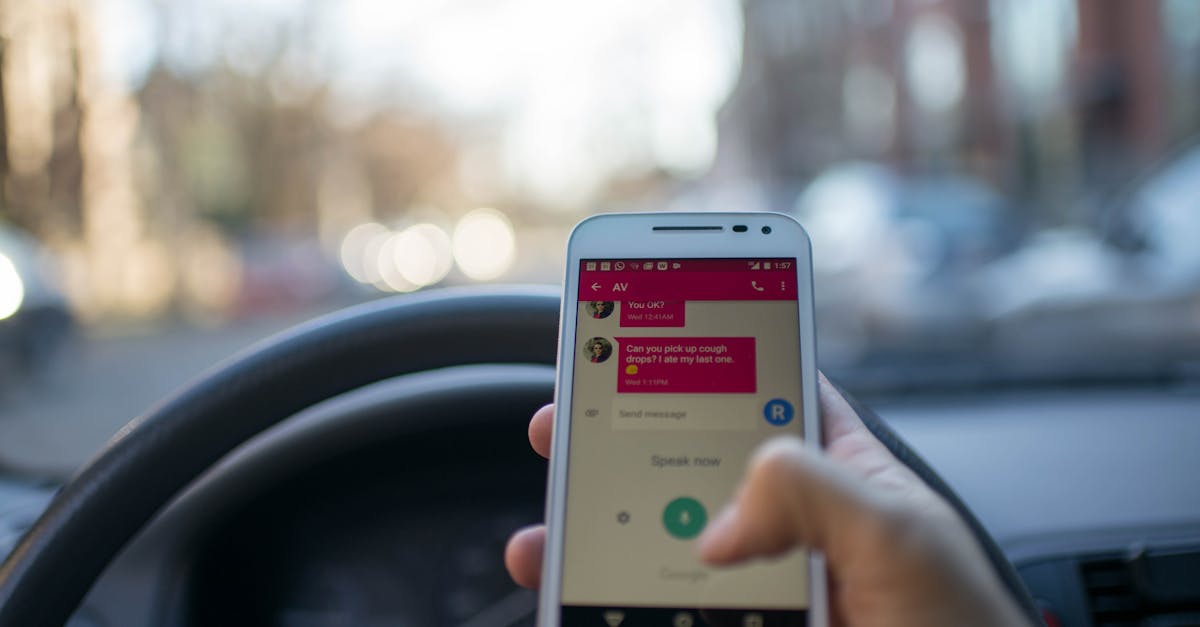
Tesla CEO Elon Musk announced that Full Self-Driving version 14.2.1 could allow texting while driving, depending on traffic context. A real-world test on local roads and highways showed no driver alerts in low and medium congestion, but a nudge came in heavy highway traffic. While this pushes toward unsupervised autonomy key for robotaxis, experts stress legal risks and liability remain, urging drivers to stay attentive. As Tesla advances electric self-driving tech, it highlights the shift to cleaner, efficient mobility that could cut emissions through shared autonomous fleets.
Tesla's latest Full Self-Driving update has sparked buzz after Elon Musk said it might let drivers text in certain traffic situations. A tester hit the road to check it out, trying low, medium, and high congestion areas while keeping glances at the road brief.
In quiet local streets with almost no cars, no alerts came even after looking at the phone for seconds. Medium traffic, including lights and more vehicles, also stayed quiet—no nudges from the monitoring system.
On the busy highway, finally, an alert kicked in, prompting eyes back on the road. The tester notes this aligns with Musk's claim but warns against it: laws ban phone use in many places, and if something goes wrong, it's the driver's fault.
This matters for Tesla's robotaxi dreams, where rock-solid autonomy means no human needed at all. Electric robotaxis could transform travel, slashing fossil fuel use and emissions by optimizing routes and sharing rides efficiently. Pushing clean tech like this speeds up the fight against climate change.