What unseen climate pollution hides in our clean water?

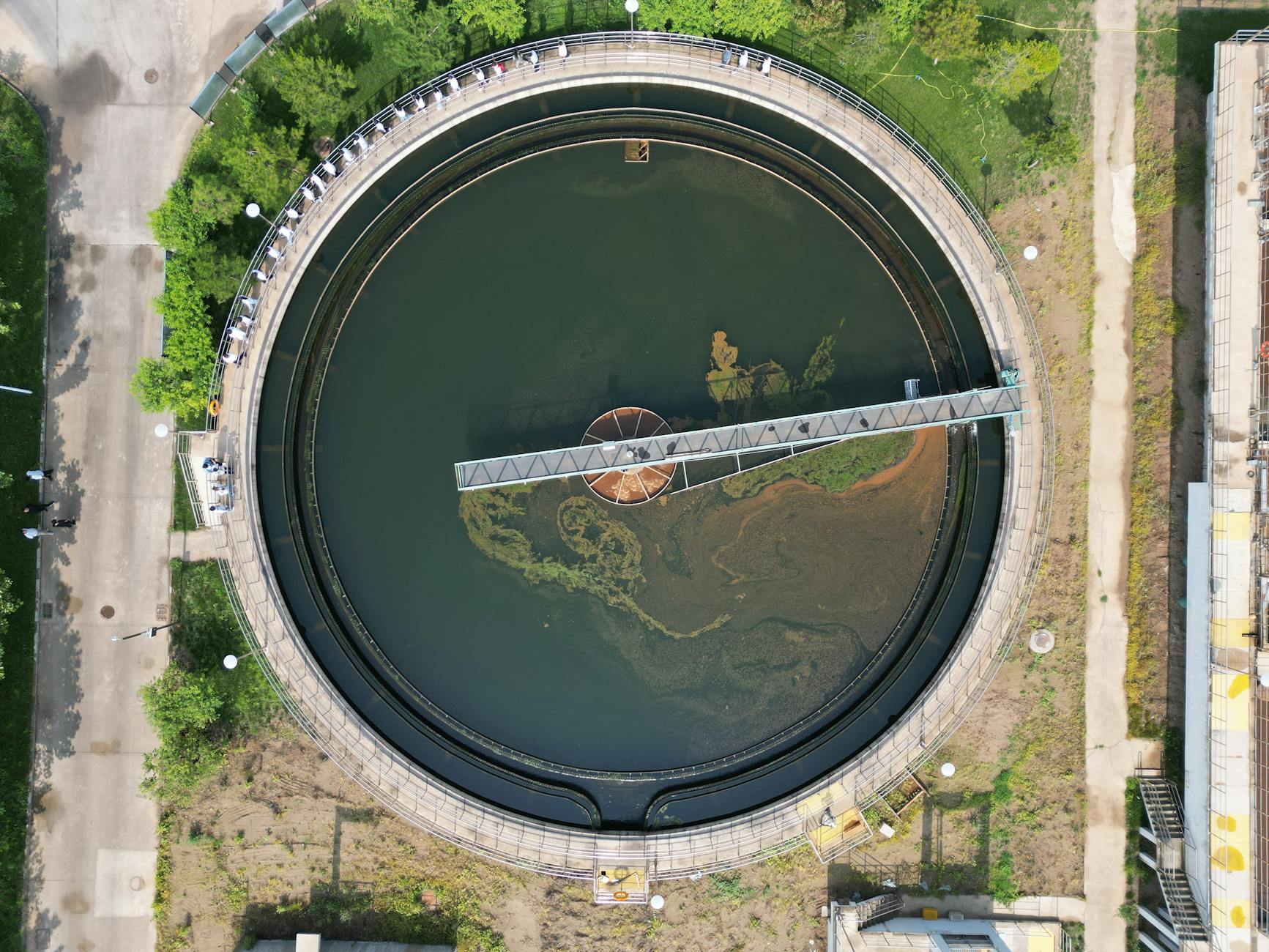
Wastewater treatment plants play a crucial role in protecting our environment by cleaning sewage before it reaches our lakes, rivers, and oceans. However, this vital process can unintentionally release nitrous oxide, a potent greenhouse gas that warms the planet and harms the ozone layer. This hidden pollution arises during the necessary removal of nitrogen from wastewater, which otherwise causes harmful algae growth. The good news is that innovative solutions are emerging, offering simple yet powerful ways to significantly reduce these harmful emissions. Tackling these overlooked sources of pollution is key to addressing the urgency of climate change.
Wastewater treatment is essential for public health and environmental protection, ensuring harmful waste doesn't pollute our natural waterways. Yet, the very process designed to clean water can sometimes create an unwelcome byproduct: nitrous oxide. This gas is a powerful contributor to global warming and also depletes the ozone layer, making it a significant environmental concern.
The problem stems from how nitrogen, present in our urine, is removed. If nitrogen isn't properly treated before release, it can trigger harmful algae blooms in lakes and rivers, damaging ecosystems. Microbes used in the treatment process, under certain conditions, can unintentionally produce nitrous oxide instead of harmless nitrogen gas.
Fortunately, addressing this challenge doesn't require complex overhauls. Companies like Cobalt Water Global are using clever technology, such as machine learning, to monitor treatment processes. This allows them to identify and implement small, precise adjustments. For instance, simply reducing how much oxygen is introduced at specific times can make a big difference.
These seemingly minor 'tweaks' are proving highly effective, leading to impressive reductions of up to 80 to 90% in nitrous oxide emissions. This means we can continue to clean our water effectively, ensuring healthy waterways, while simultaneously cutting down on powerful atmospheric pollutants. It's a clear win for both local ecosystems and our global climate, showing how innovative, sustainable solutions are crucial in our collective fight against climate change.