Who pays when climate costs hit home? Supreme Court weighs in.

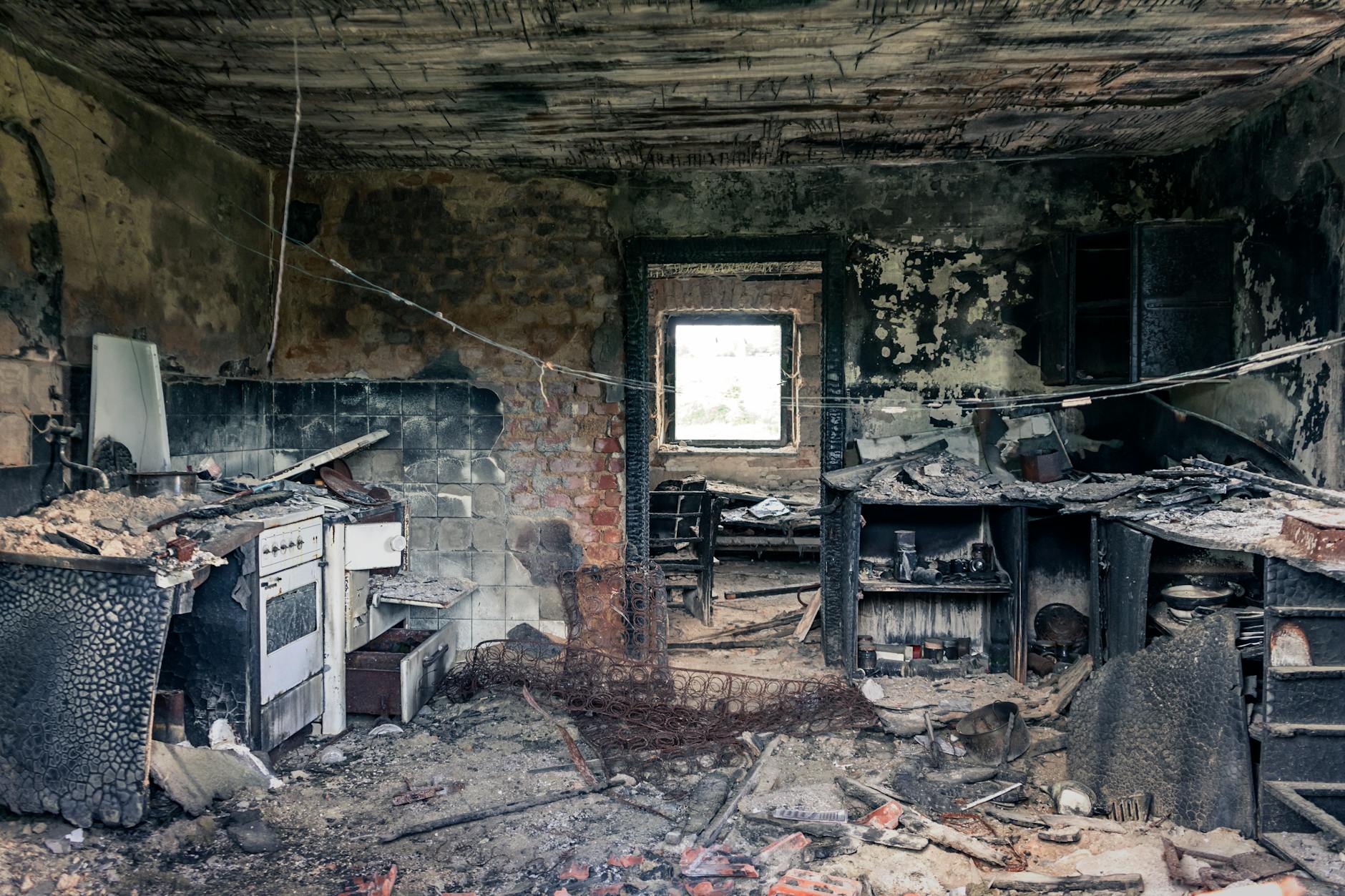
The U.S. Supreme Court is set to hear a landmark case this week involving Boulder County, Colorado, and its lawsuit against major energy companies ExxonMobil and Suncor Energy. Boulder alleges that these companies knowingly contributed to climate change and its devastating local impacts, like the Marshall Fire, and seeks to recover costs for damages and adaptation. This pivotal case questions whether states can hold corporations accountable for environmental harm, highlighting the urgent need for climate action. Its outcome could reshape how communities nationwide seek justice for the financial burdens of global warming.
Boulder County’s battle with energy giants ExxonMobil and Suncor Energy has reached the Supreme Court, marking a critical moment for climate accountability. The county argues that these companies knew decades ago about the severe environmental risks of fossil fuels but continued activities that contributed to devastating events like the 2021 Marshall Fire. This fire, which incinerated homes and lives, left survivors like Daryl McCool facing complete loss, describing how "2,000-degree fire burns everything." The lawsuit isn't about setting new regulations but about recovering the significant costs incurred by communities due to climate-related disasters and the long-term strain on resources.
The energy companies, backed by some legal scholars, contend that addressing climate change falls solely under federal jurisdiction, not local courts. They fear that allowing Boulder’s case to proceed could lead to a patchwork of state-level regulations, impacting energy policy across the nation. However, supporters of Boulder’s stance, like Corey Riday-White from the Center for Climate Integrity, argue that corporations should be held to the same standards as individuals: if you cause harm and know about it, you should help fix it. This legal showdown underscores the growing urgency for climate action and the imperative for sustainable solutions.
Louie Delaware, another Marshall Fire survivor, emphasizes our collective "responsibility to leave things better for the next generation," stressing the moral weight of this lawsuit. In a surprising development, Justice Samuel Alito recused himself from the case due to investments in other energy companies. This means the case will be heard by eight justices, and a potential 4-4 tie would uphold the Colorado Supreme Court's decision, allowing Boulder's lawsuit to continue in state courts. This ruling will not only impact similar climate litigation across the country but also broader issues of corporate responsibility for widespread harm.