Who Pays When Wildfires Rage? The Debate Rages On.

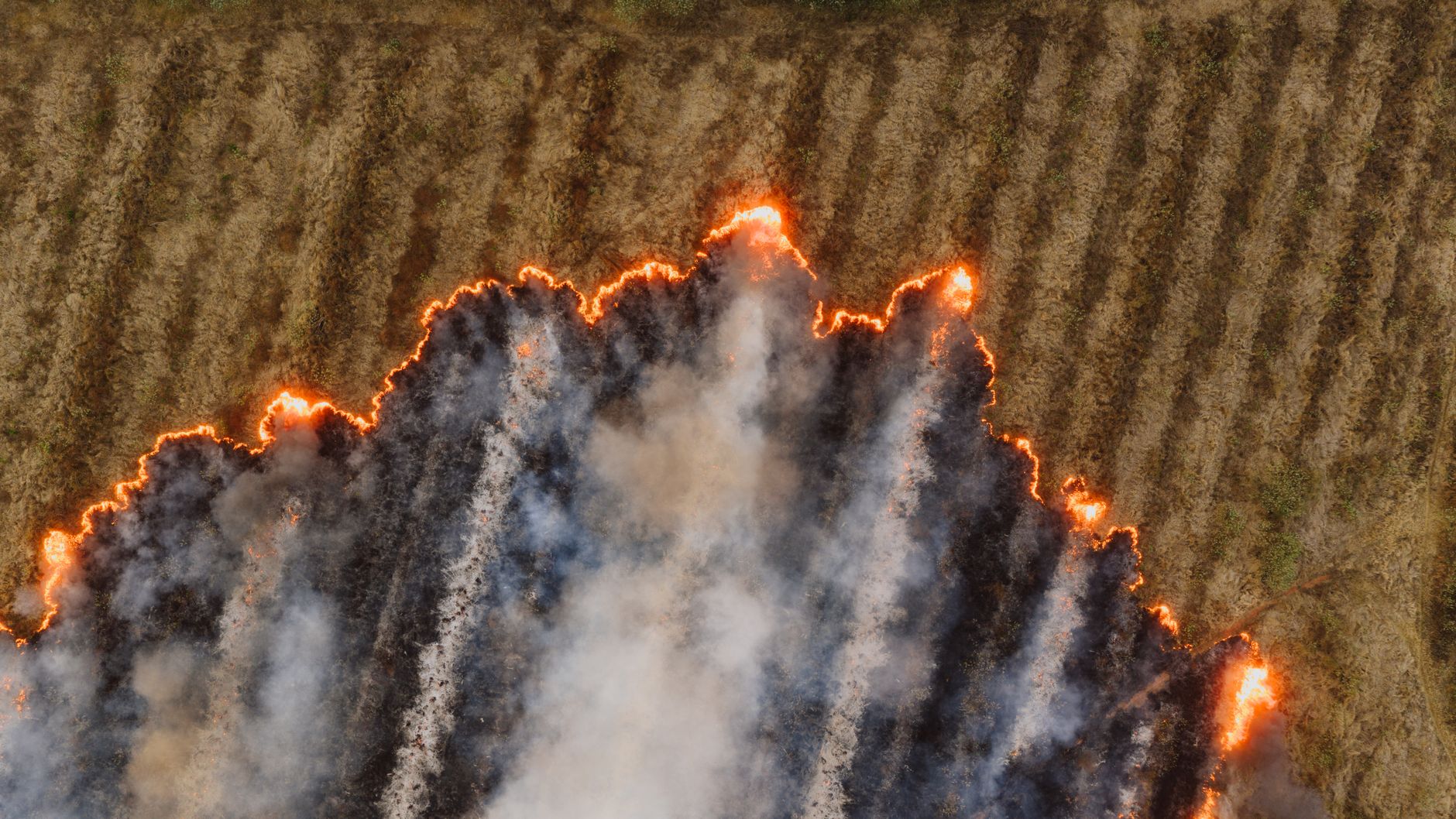
As devastating wildfires sweep across the American West, a critical debate is unfolding: who should bear the spiraling costs? Utility companies, often held responsible for igniting blazes, face billions in lawsuits, pushing them to make tough choices like preemptive power shutoffs. This escalating crisis highlights how a warming climate, decades of fire suppression, and expanding development into fire-prone areas have created a complex challenge where legal accountability struggles to match the multifaceted causes of these environmental disasters, leaving communities vulnerable and electricity rates soaring.
In places like Boulder, Colorado, utilities such as Xcel Energy are now cutting power on high-wind days to prevent wildfires, a tactic employed by California utilities for years. While intended to prevent catastrophes, these "Public Safety Power Shutoffs" can leave businesses and residents furious, underscoring a difficult choice for energy providers. They must either risk igniting a fire and facing massive lawsuits or cut power and disrupt lives.
Over the past decade, U.S. utility companies have faced more than $18 billion in wildfire liabilities. Yet, experts emphasize that wildfires are not just about a single spark. Their increasing destructiveness is fueled by a complex mix of factors: a climate warmed by the burning of fossil fuels, historical fire suppression policies that have left forests dense with flammable material, and rapid expansion of homes into fire-prone landscapes.
Scientists like UCLA hydroclimatologist Park Williams explain that while greenhouse gases don't start fires directly, they "load the dice for a fire to grow large quickly." Despite this, holding fossil fuel companies accountable for their role in climate change has proven difficult in U.S. courts, leaving utilities to bear the brunt of claims. Climate scientist Daniel Swain from the University of California Agriculture and Natural Resources argues for proportional culpability, acknowledging that it's "scientifically inappropriate to pin [a wildfire] on just one thing."
Decades of suppressing natural, low-intensity fires have allowed forests to become dangerously overgrown. Furthermore, millions have moved into the "wildland-urban interface," increasing the value of property at risk. Many homes in these high-risk zones still lack adequate hardening against fire, compounding the potential for disaster. These multifaceted origins challenge the traditional legal approach that often places full blame on the ignition source.
Utilities have sought to mitigate risks through investments in infrastructure upgrades, like replacing old wires and burying lines. However, public safety power shutoffs remain a key strategy. An analysis by Inside Climate News found 128 such shutoffs in California between 2018 and late 2026, affecting millions of customers. These outages, ironically, can pose their own health risks during heatwaves when cooling is crucial.
To manage these immense costs, which often get passed on to customers through higher electricity rates, states like Wyoming, Idaho, Montana, and Utah have begun to introduce legislation shielding utilities from some wildfire liabilities if they follow approved mitigation plans. Even California, a hotspot for wildfire litigation, has created a $21 billion wildfire fund to help cover claims, recognizing that utilities themselves are struggling to secure insurance.
However, these "shield laws" face strong opposition from wildfire survivors and their attorneys, who argue that limiting liability disincentivizes utilities from operating safely and deprives victims of much-needed compensation. As Joy Chen, founder of the Every Fire Survivor’s Network, puts it: "You break it. You fix it." Legal action, they contend, forces critical safety improvements and accountability.
The complex interplay of climate change, land management, urban growth, and utility infrastructure means there's no easy answer to who should ultimately pay. Focusing solely on a single culprit risks missing the broader picture: how to build communities resilient to wildfires and proactively address the climate crisis that intensifies them.