Who's Behind Half of U.S. West's Water Loss? New Study Reveals All

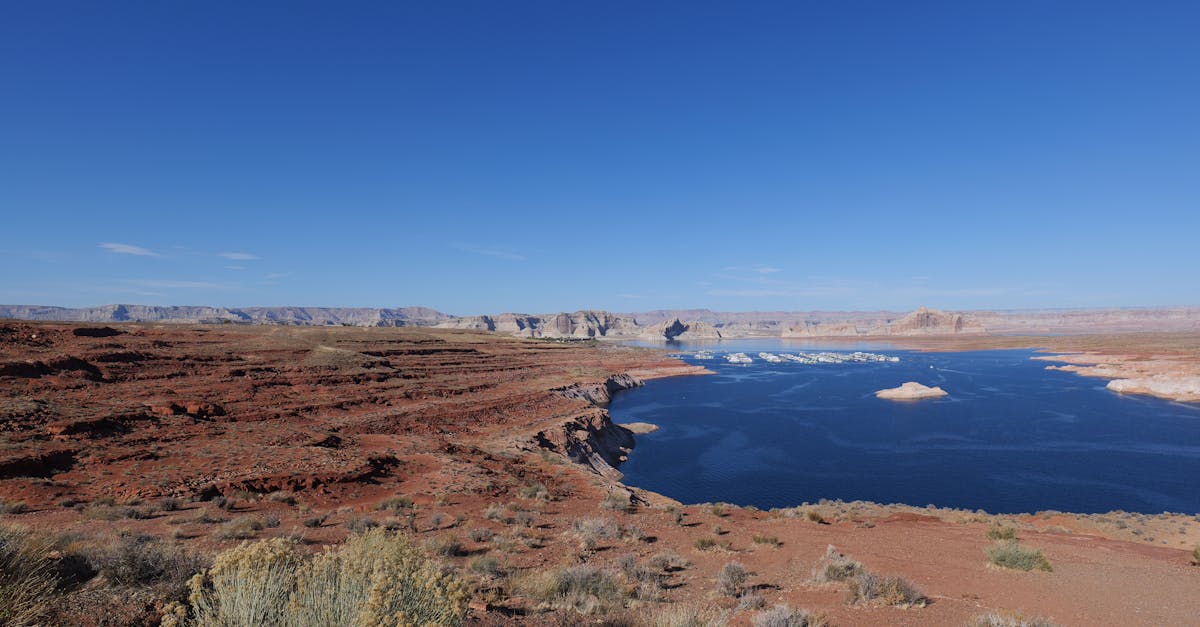
A groundbreaking study reveals that some of the world's largest fossil fuel and cement companies are disproportionately responsible for the severe water crisis in the American West. Between 2014 and 2024, emissions from 122 "carbon majors" are linked to roughly half of the region's lost water, a staggering amount equivalent to filling Lake Mead. This research highlights how our reliance on fossil fuels directly contributes to deepening droughts, impacting millions of people, agriculture, and increasing wildfire risks, underscoring an urgent call for environmental action.
From 2014 to 2024, the American West experienced a significant drop, with over a third of its typical snowpack disappearing and river flows decreasing by about 13 percent. This first-of-its-kind study, published in Nature’s Communications Earth and Environment journal, firmly links about half of these losses to emissions from 122 major fossil fuel companies and cement producers. Essentially, these emissions have drained trillions of gallons of water from the region, an amount comparable to the full capacity of Lake Mead, the nation's largest reservoir.
As global temperatures rise due to continued fossil fuel burning, the West descends further into a climate-fueled drought. Higher temperatures mean more precipitation falls as rain instead of snow, and snow melts earlier. This process, combined with increased evaporation, leaves less water to flow into rivers and fill vital reservoirs, intensifying severe wildfires and putting immense pressure on resources for cities, farms, and businesses.
This innovative use of "attribution science" connects specific emissions directly to environmental changes. The study also found that irrigation demand across the West rose by over 4 percent during the decade, with more than half of that increase attributed to the carbon majors' emissions, predominantly occurring since the 1950s. Experts note that during this pivotal time, some fossil fuel producers understood the risks but chose to engage in "delay and denial," shaping the crisis we now face.
This groundbreaking research is seen as vital, potentially strengthening legal cases brought by states and cities against large oil and gas companies for environmental damages. The findings powerfully reinforce the urgent need to transition away from fossil fuels and embrace sustainable solutions to protect our planet's essential water resources and secure a more resilient future.