Why a lifelong skeptic now champions nuclear power.

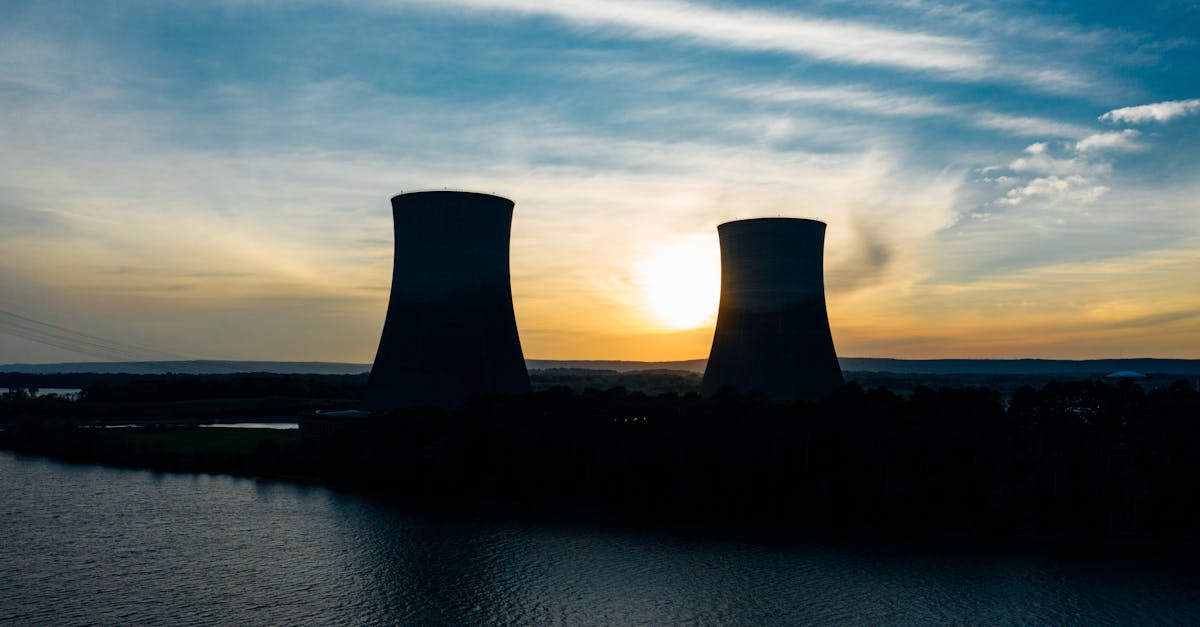
Once a vocal critic of nuclear energy, a leading analyst has dramatically changed his stance, now advocating for its expansion. This transformation stems from a fresh look at nuclear power's safety record, remarkable operational improvements, and its crucial, often underestimated, role in tackling the escalating climate crisis. As the world urgently seeks cleaner energy solutions, this shift highlights nuclear power's potential to significantly reduce carbon emissions and accelerate our transition to a sustainable future.
For decades, a prominent analyst was known for his strong arguments against nuclear power, even speaking at a major rally following the Three Mile Island accident in 1979. He meticulously documented how safety fears drove up costs, seemingly sealing nuclear's fate. Yet, over time, observing changes in both the energy sector and the pressing climate challenge, his perspective evolved dramatically, leading him to become a staunch proponent of nuclear expansion.
A key factor in this reversal is the fading public fear surrounding nuclear accidents. While “TMI” once evoked dread, for many today it signifies “Too Much Information.” Since 1979, the U.S. nuclear industry has amassed vastly more operating experience without a major accident, quietly quelling public anxieties. This shift is crucial, as it suggests a greater openness to nuclear solutions, especially among younger generations concerned about climate change.
Furthermore, the operational performance of nuclear plants has seen a remarkable turnaround. From struggling with a 60 percent “capacity factor” in its early decades—meaning plants were often offline—U.S. nuclear facilities have averaged a 90 percent capacity factor since 2000. This dramatic improvement means nuclear plants are now highly reliable, continuously delivering clean energy to the grid. This consistent output is a significant advantage over intermittent renewable sources like wind and solar, which typically operate at lower capacity factors. Each nuclear plant now displaces 50 percent more carbon-emitting power than it used to, making it an even more powerful tool for decarbonization.
Finally, the growing urgency of the climate crisis underscores nuclear power’s vital role. Like wind and solar, nuclear power generates electricity without burning fossil fuels. Research shows that nuclear power’s overall climate footprint, considering its entire lifecycle from fuel mining to enrichment, is actually smaller than that of wind, solar, or hydropower. A 2022 analysis by the UN Economic Commission for Europe confirmed this, a finding consistent with a 2018 IPCC report. As devastating climate impacts become an everyday reality, the stable, carbon-free electricity provided by nuclear power emerges as an indispensable component in our global effort to achieve electrification and sustainable energy systems, outpacing alternatives in continuous carbon reduction per kilowatt-hour.