Why a potent climate gas may escape unchecked.

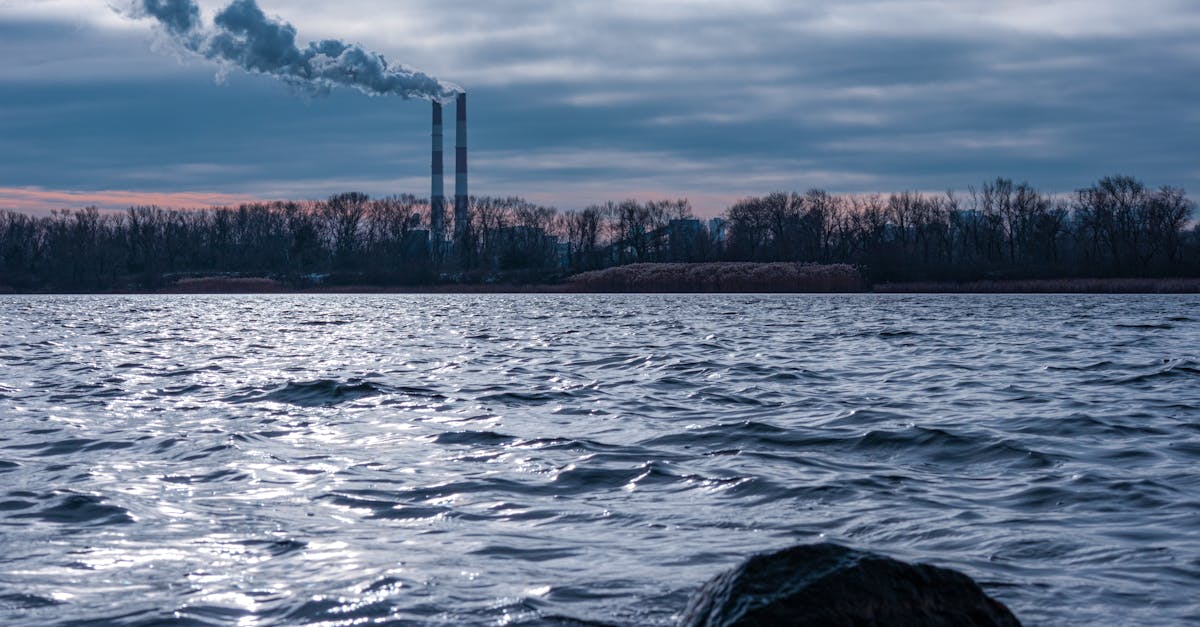
The Trump administration is proposing to significantly weaken regulations designed to curb methane emissions from the oil and gas industry. These rules, established by the Biden administration, aimed to tackle methane, a potent greenhouse gas that traps far more heat than carbon dioxide over a short period. While proponents argue the rollback will save the industry billions and boost energy production, environmental advocates warn it could lead to increased climate pollution and wasted natural gas. This move sparks concerns about the urgent need for climate action and maintaining crucial safeguards against global warming.
The proposed changes would undo the Biden-era regulations that aimed to significantly reduce methane leaks from drilling sites across the nation. Methane is an incredibly powerful planet-warming gas, estimated to be 80 times more potent than carbon dioxide over a two-decade period. Reducing these emissions is a critical step in addressing the accelerating pace of global warming and protecting our planet.
The administration argues this rollback will cut billions in costs for the oil and gas industry and encourage more domestic drilling, a move framed as a response to high gas prices. However, environmental groups, like the Environmental Defense Fund, counter that capturing more methane — which is essentially natural gas — actually allows companies to sell more product, offsetting compliance costs. Wasting this valuable resource also harms energy security and reduces tax revenues.
A key target for removal is the Methane Super Emitter Program, set to begin in early 2027. This innovative program would have allowed certified third parties, including satellite monitoring systems, to help the government detect massive, otherwise invisible methane leaks from pipelines and facilities. Without it, spotting these significant polluters becomes much harder.
Regulations on emissions from "marginal" oil wells are also on the chopping block. While these wells may not be highly profitable, new technology and satellite data show they are often responsible for a disproportionately large share of methane pollution. Loosening these rules could allow substantial amounts of this powerful greenhouse gas to continue escaping into our atmosphere, further complicating efforts to combat climate change. The public will have a chance to comment on these proposed changes once they are formally published.