Why America’s environmental watchdog is now in peril

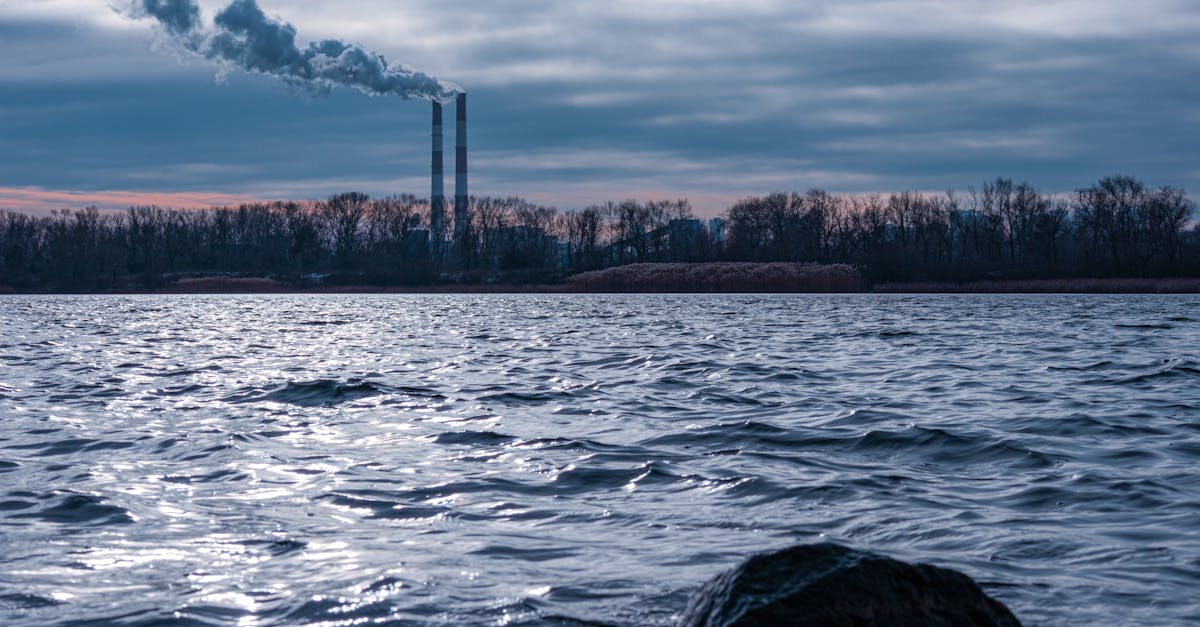
The U.S. Environmental Protection Agency (EPA), a crucial guardian of public health and the environment, faces unprecedented threats. Experts warn that proposed budget cuts could cripple its ability to protect communities from pollution, chemical hazards, and climate impacts. As Congress debates significant funding reductions, the agency's vital scientific research, enforcement capabilities, and support for clean water projects hang in the balance. This situation underscores the urgent need for robust environmental action and sustainable solutions to safeguard our future.
Environmental watchdogs are sounding the alarm over aggressive efforts to dismantle the U.S. Environmental Protection Agency (EPA). Former agency staff, united under the Environmental Protection Network (EPN), reveal that proposed budget cuts could severely undermine the EPA's core mission: protecting public health and the environment. They point to a potential "serial shutdown" of the agency's vital functions, according to Marc Boom, senior director of public affairs for EPN.
The Trump administration initially proposed slashing the EPA's $9 billion budget by a dramatic 55 percent. While Congress is considering less severe reductions, the House's proposed 23 percent cut would be devastating. It threatens to cut enforcement funding, cripple critical scientific research by eliminating the Office of Research and Development (ORD), and eliminate over 60 percent of state funding crucial for safe drinking water. Such actions leave communities vulnerable to toxic chemicals, dirty air, and increased risks of cancer, asthma, and developmental issues.
In contrast, the Senate's bipartisan proposal suggests a more modest 5 percent cut, aiming to preserve essential science, health, and safety capacities. It seeks to protect funding for clean water projects and brownfield restoration, and would halt the administration’s attempts to close the ORD. This approach would maintain the EPA's ability to make informed decisions based on solid scientific information, a move praised by EPN. However, this bipartisan deal appeared in jeopardy after Colorado Democrats urged Congress to maintain funding for the nation’s premier climate research center, as reported in The Hill.
Meanwhile, the administration has already moved to terminate billions in grants designed for clean air and water quality improvements, climate resilience, and investments in affordable clean energy. Administrator Lee Zeldin canceled $20 billion in Greenhouse Gas Reduction Fund grants and nearly $2 billion in other grants designed for environmental and climate protection, calling them "wasteful federal spending." This included a climate resilience grant for Richmond, California, which was allegedly terminated for promoting diversity, equity, and inclusion, despite its geographic focus. Additionally, thousands of career staff, including scientists and engineers, have been forced out, leading to an incalculable loss of institutional knowledge crucial for crafting and enforcing environmental protections.
Experts emphasize that dismantling the EPA jeopardizes scientific integrity by removing the firewall between independent research and policy, potentially opening the door to political interference. Jennifer Orme-Zavaleta, a former top ORD science advisor, stated that eliminating ORD would devastate the agency’s ability to protect us from legacy pollution and emerging threats. They argue that when the EPA steps back, pollution moves forward, leaving Americans exposed to greater environmental hazards. Congress now has a critical opportunity to ensure the agency can continue its vital work of protecting our planet and public well-being, reinforcing the importance of sustainable practices and robust climate action.