Why Are Green Power Projects Stuck? [Grid Bottleneck]

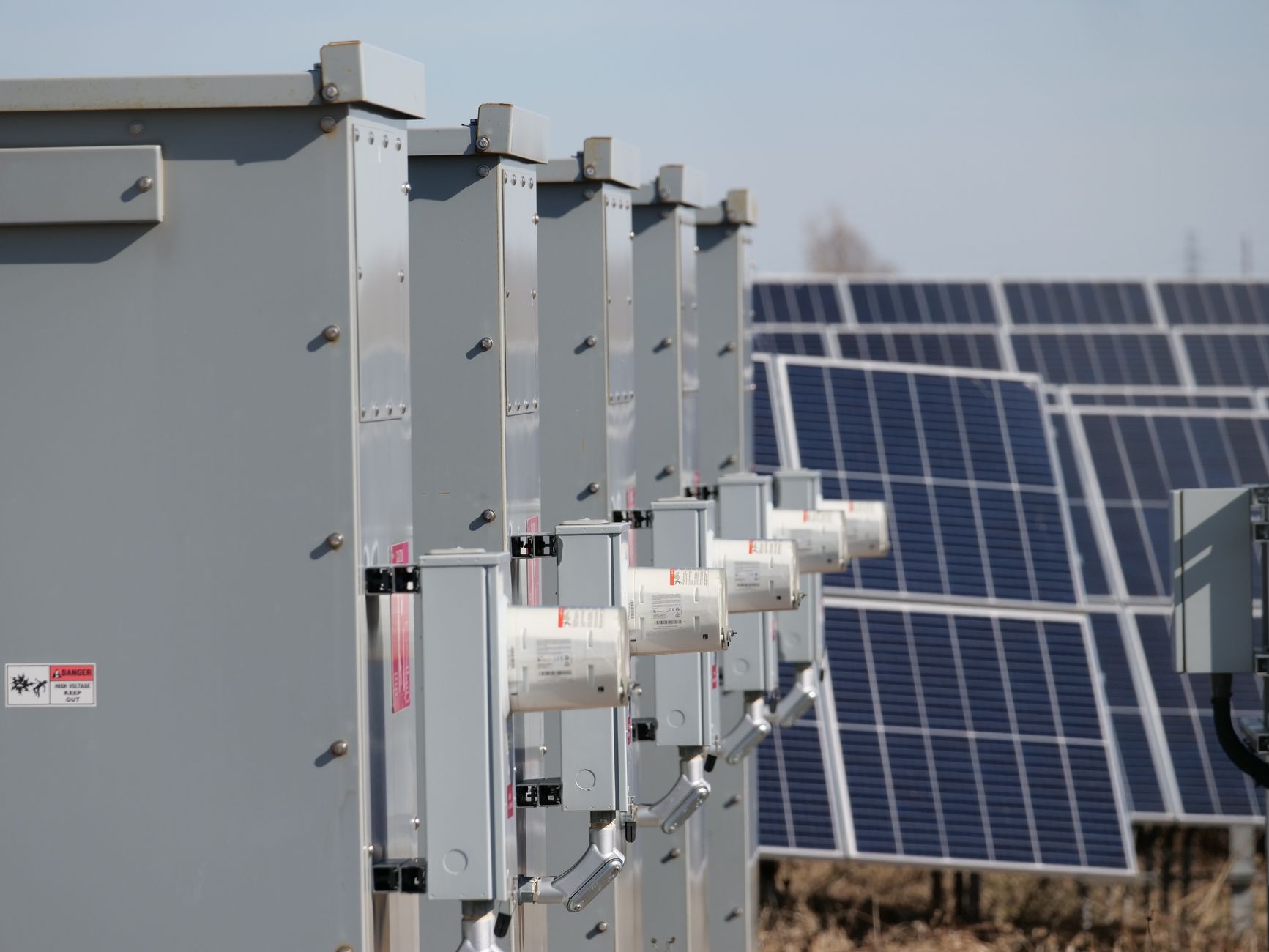
Our transition to clean energy is facing a major hurdle: an outdated electricity grid struggling to keep pace with new renewable projects. Across the UK, community solar farms and other green energy initiatives are encountering delays or even being shut down due to inadequate network capacity. This systemic failure not only costs these vital projects financially but also slows down our urgent fight against global warming, despite the readily available clean technologies. Upgrading our grid is no longer just an infrastructure issue; it's a critical climate action.
Many innovative clean energy projects, including community solar farms like Derril Water, are facing significant hurdles to connect to the UK’s electricity grid. Despite having ready technologies such as batteries and new compensators that can offer reliable, low-cost power without fossil fuels, these initiatives are often stuck in lengthy connection queues or, worse, are unexpectedly shut down. While larger, transmission-connected renewable projects often receive millions in compensation for such 'curtailment,' smaller, distribution-connected projects like Derril Water are left without financial support, hitting them much harder and threatening their viability. This disparity highlights a broken system that penalizes smaller, local clean energy efforts.
The root of the problem lies in an outdated electricity network that hasn't kept pace with the rapid growth of renewables. Our grid was designed for a one-way flow of power from large, centralized fossil-fuel power stations. Now, it needs to adapt to a two-way system gathering electricity from countless smaller, distributed generators. Electricity companies haven't invested enough, and regulators like Ofgem haven't pushed hard enough to ensure the necessary upgrades. This failure is a serious setback for tackling the climate crisis, as every delayed or curtailed clean energy project means more reliance on emissions-heavy alternatives. Urgent, large-scale investment is needed to build a smart, flexible grid that can support our transition to a sustainable future.
Experts agree that a 'step change' in approach is essential, with some estimating that distribution grids alone need £37 billion to £50 billion in investment by 2050 – double the current pace. While some steps, like recent reforms to connection queues by NESO reforming, are being made, they are not fast enough to meet the demands of the climate emergency. Community energy projects are crucial for local resilience and engagement, yet they are not treated as the strategic partners they need to be. Relying solely on large corporations and slow-moving regulators puts our collective climate action in peril, underscoring why supporting community-led clean energy is more vital than ever to build a resilient, green future as detailed in this investigation on *People & Nature*.