Why Are Researchers Intentionally Setting Houses Ablaze?

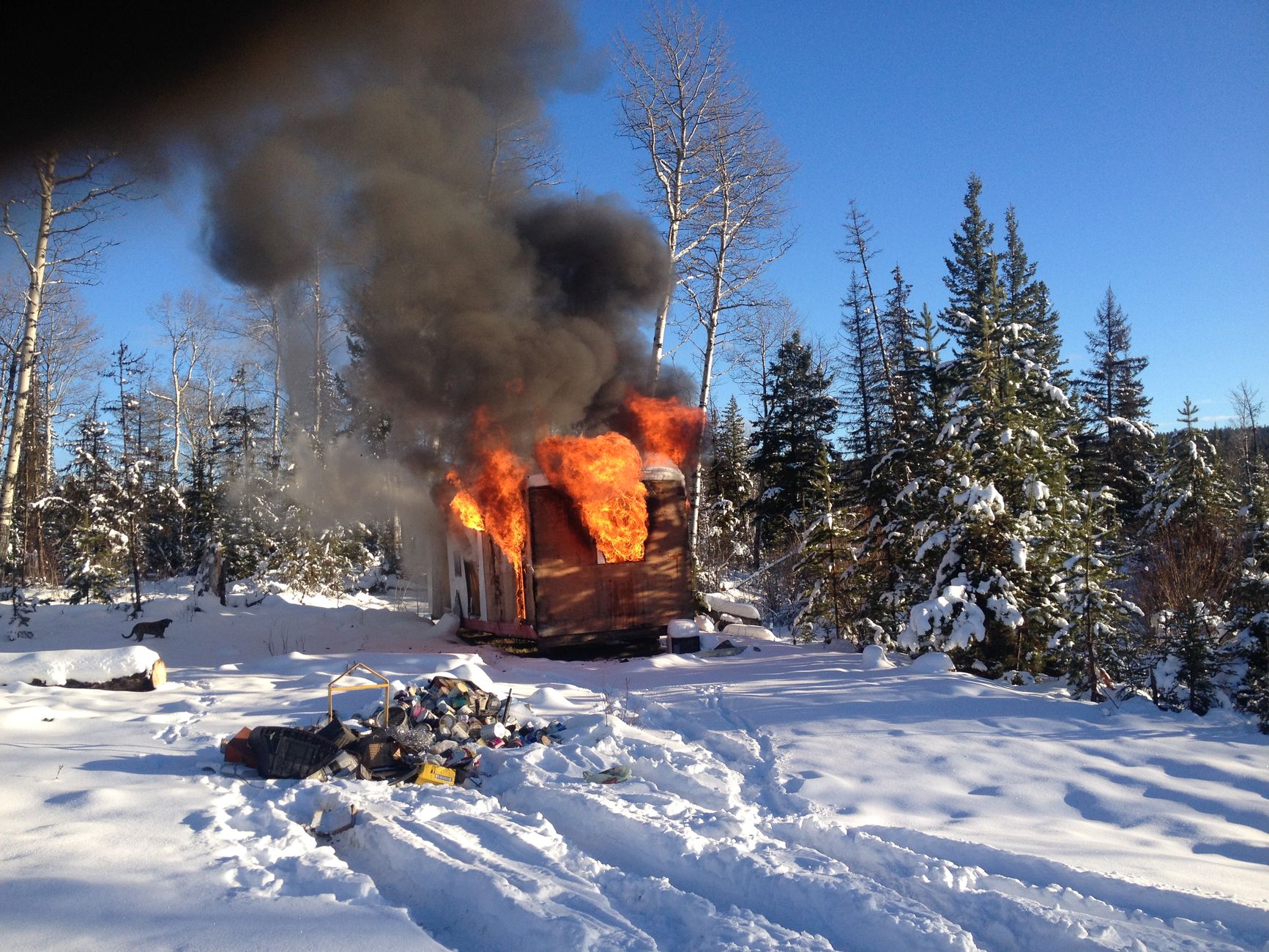
In a unique approach to tackle the growing wildfire crisis, researchers in South Carolina are intentionally burning down specially built houses. This drastic measure helps them understand how fires spread, especially as climate change intensifies heat waves and droughts, fueling bigger and faster wildfires. The goal is to develop smarter building practices and community designs that can withstand these devastating blazes, ultimately protecting homes and lives from a threat that is becoming increasingly common and destructive.
Imagine a scene in South Carolina: a 'Burn Boss' ignites a house, and within minutes, flames engulf the structure, roaring outwards. This isn't an accident; it's a carefully controlled experiment designed to understand the destructive power of wildfires.
As our climate changes, wildfires are burning bigger and faster, causing record financial losses as entire communities are lost. At the same time, more people are moving into areas vulnerable to these fires. This research, conducted by the Insurance Institute for Business and Home Safety (IBHS), offers hope that losing whole neighborhoods to fire isn't inevitable if we take the right steps.
These experiments use industrial turbines to simulate extreme winds, mimicking conditions that fueled devastating fires like the one in Paradise, California, in 2018. Millions of data points are collected, showing exactly how fire can spread from house to house in dense neighborhoods.
Valuable lessons have emerged from these studies. For instance, using building materials designed to withstand embers and flames, and removing flammable items within five feet of a home, significantly reduces fire risk. An analysis even found that communities combining these strategies were twice as likely to survive a major conflagration. While ideal distances between homes help, the research focuses on how structures can be hardened to prevent catastrophe even in existing neighborhoods.
This vital research is already making a difference. California, which has struggled with increasing wildfire threats, now requires insurers to offer discounts for fire-resistant home upgrades, with some of the biggest savings coming from certified wildfire-prepared homes. Cities like Berkeley are even enacting local rules to clear flammable materials, using this strong body of research to guide their efforts. While we can’t eliminate wildfire risk entirely, these sustainable solutions help us live with it, ensuring the risk doesn’t feel catastrophic.