Why Germany is Quietly Storing America's Crucial Climate Data

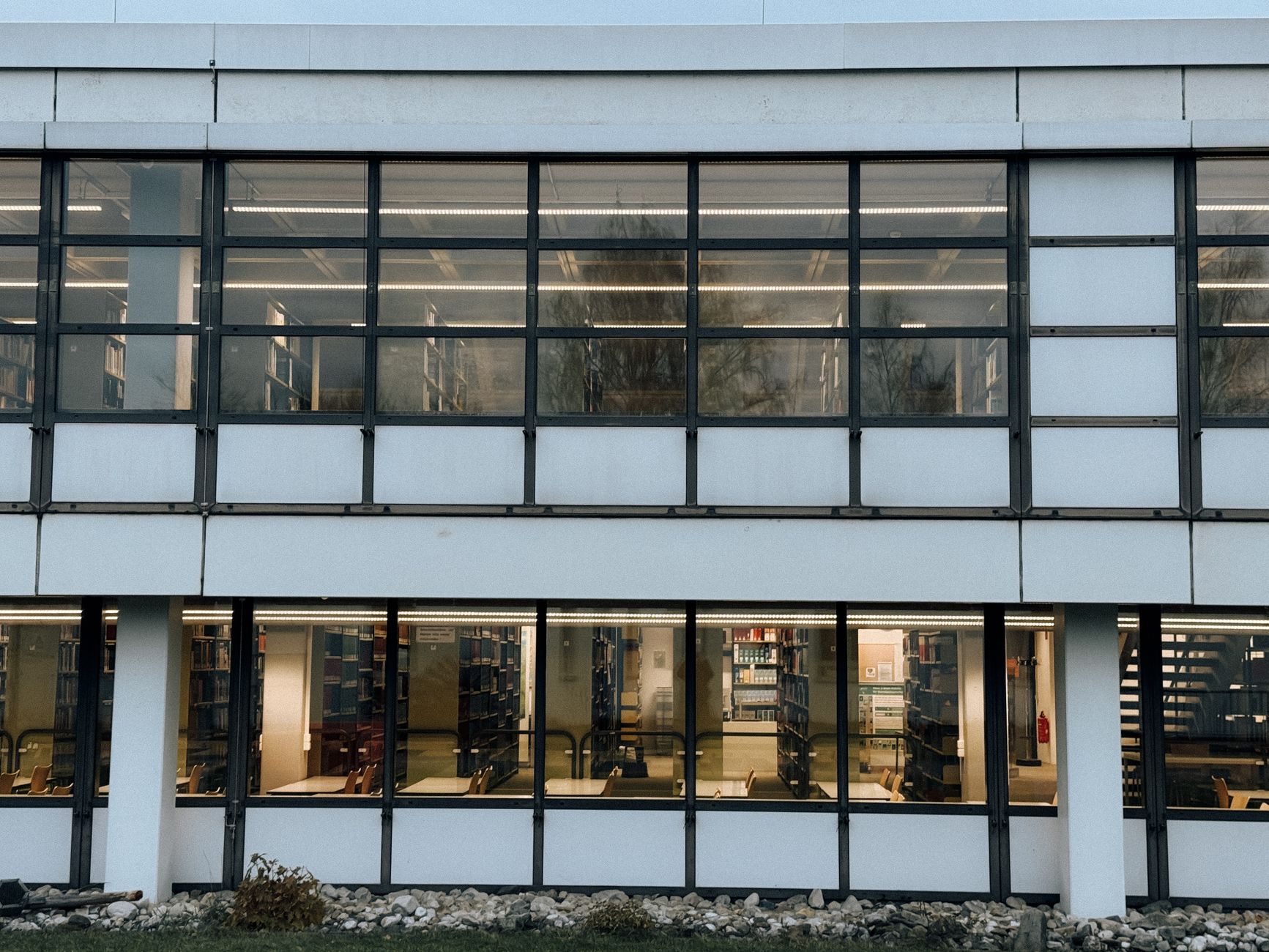
In a crucial move for global climate action, Germany is creating a secure backup for vital U.S. climate data at its German Climate Computing Center (DKRZ). This ambitious project, dubbed "CMIP7-ark," aims to protect essential research from potential political interference, data manipulation, or loss. With global warming intensifying, ensuring the integrity and accessibility of climate simulations and historical data is more critical than ever. This international effort highlights the urgent need for robust data resilience to support future climate assessments and guide sustainable solutions.
In Hamburg, Germany, technicians are expanding the German Climate Computing Center (DKRZ), one of the world's largest hubs for climate simulation data. These new additions will store backup versions of critical climate research from the United States. This unusual step is driven by serious concerns that U.S. climate data could be compromised or lost due to political interference. The move comes as the U.S. government has taken actions like cutting research funding, suppressing scientific reports, and even trying to defund the crucial Mauna Loa Observatory, which tracks atmospheric carbon dioxide.
Fears of losing or manipulating data led the German Research Foundation to launch a $35 million program. This initiative creates a safe haven for U.S. data, ensuring that critical contributions to the next major United Nations climate assessment, due in 2029, remain secure and accessible. As a German scientist, Christopher Kadow, emphasizes, “We cannot simply accept that important contributions might be lost for technical or political reasons.” Safeguarding this data is essential for understanding our changing planet and developing effective environmental solutions.
While backing up such massive amounts of data is complicated and costly, requiring physical transport of hard drives for months, the urgency has never been clearer. Beyond political interference, data faces risks from cyberattacks, natural disasters, and even armed conflicts, as seen in Ukraine where valuable meteorological and biodiversity records were saved just in time by international collaborations. These events underscore why relying on a single data storage location is no longer viable in our volatile world.
The American Geophysical Union (AGU), representing Earth and space scientists globally, has been at the forefront of protecting science. They recently gathered experts to discuss how to fundamentally rethink data organization for long-term survival. This isn't just for scientists; public safety officials, health experts, policymakers, and many industries depend on this information. Other initiatives, like the Senckenberg Natural History Museum saving biodiversity data from war-torn regions, show a growing global commitment to data resilience.
This international collaboration underscores a vital lesson: climate data is a global common good. As one German professor noted, recent challenges have “done science a favor by making it clear how important it is to not just hoard data in one place but to truly share it with the global scientific community.” The vision is to connect all climate data worldwide via digital pipelines, creating a resilient network that can withstand future threats, ensuring humanity has the knowledge needed to confront the climate crisis.