Why is the Ocean's 'Amazon' Falling Silent?

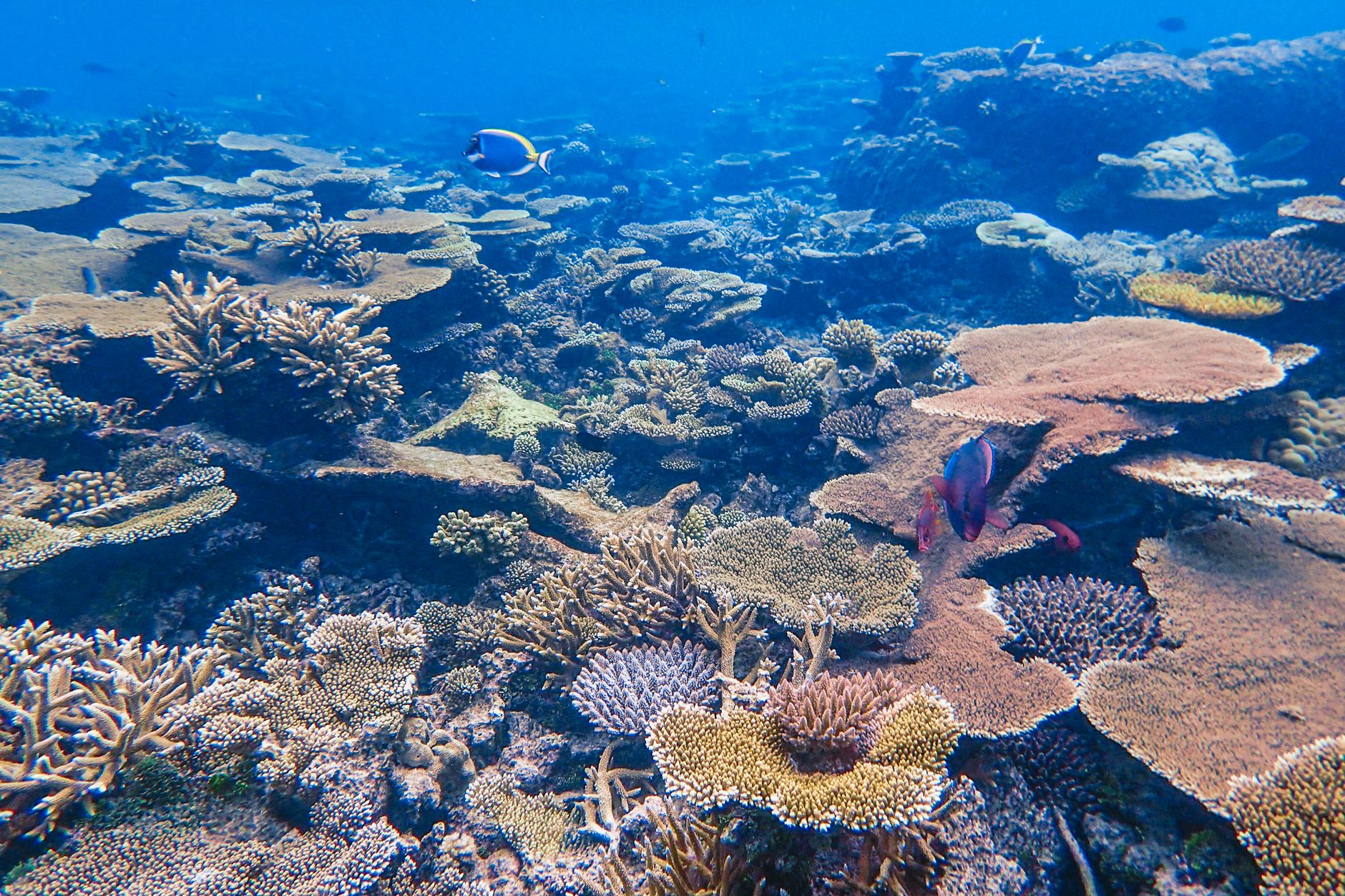
The Coral Triangle, often called the 'Amazon of the Seas,' is home to an incredible array of marine life, producing a vibrant symphony of underwater sounds. However, this natural harmony is being brutally interrupted by frequent, powerful explosions. Researchers have uncovered the shocking extent of blast fishing, a banned practice that is devastating these vital ecosystems. This destructive method is rapidly reducing colorful coral reefs to lifeless rubble, threatening marine biodiversity and the health of our oceans.
In a dire threat to our planet's most diverse marine ecosystem, blast fishing, a globally outlawed technique, is obliterating coral reefs at an alarming rate. This method involves detonating explosives, often plastic bottles packed with homemade bombs, to stun and kill fish for easy collection. Though it provides a quick catch, the environmental cost is catastrophic, leaving a 90-foot radius of destruction with each blast.
Off Indonesia's Spermonde Archipelago, scientists from the Zoological Society of London deployed underwater microphones, revealing over 3,500 explosions in just 3,600 hours of recording. Using open-source AI software, they analyzed 16 months of audio data, verifying each suspected blast manually. These recordings, picking up detonations from over 10 miles away, painted a stark picture of continuous destruction.
The research indicates that more than 8,500 blasts occur annually in this relatively small area, destroying the equivalent of three football fields of coral reef every year. This constant bombardment prevents natural recovery, turning once thriving habitats into barren landscapes of rubble. Since 1990, an estimated 75 percent of the coral in the Spermonde Archipelago has been lost due to human activities, climate change-induced bleaching, and warming waters.
While poverty is often cited as a cause, experts suggest the costs involved in blast fishing point to middle-income fishers. Ineffective enforcement and management are significant contributing factors, making it hard to stop this indiscriminate practice that kills all marine life, regardless of species or size. Though authorities in neighboring regions have confiscated materials for homemade bombs, real-time detection and intervention remain challenging across vast marine protected areas.
Unlike the global challenge of warming waters, halting bomb fishing is a local problem with a clear solution. Researchers are hopeful that a network of audio sensors with GPS could provide real-time alerts to marine authorities, allowing for intervention. The open-source code for detecting blasts is now available globally, offering a tangible path to protect these critical biodiverse habitats from being reduced to 'rubble.' If bomb fishing stops and restoration efforts begin, these reefs could recover and thrive once more, underscoring the vital importance of immediate environmental action.