Wildfire Battle Evolves: What Tech Protects Crews?

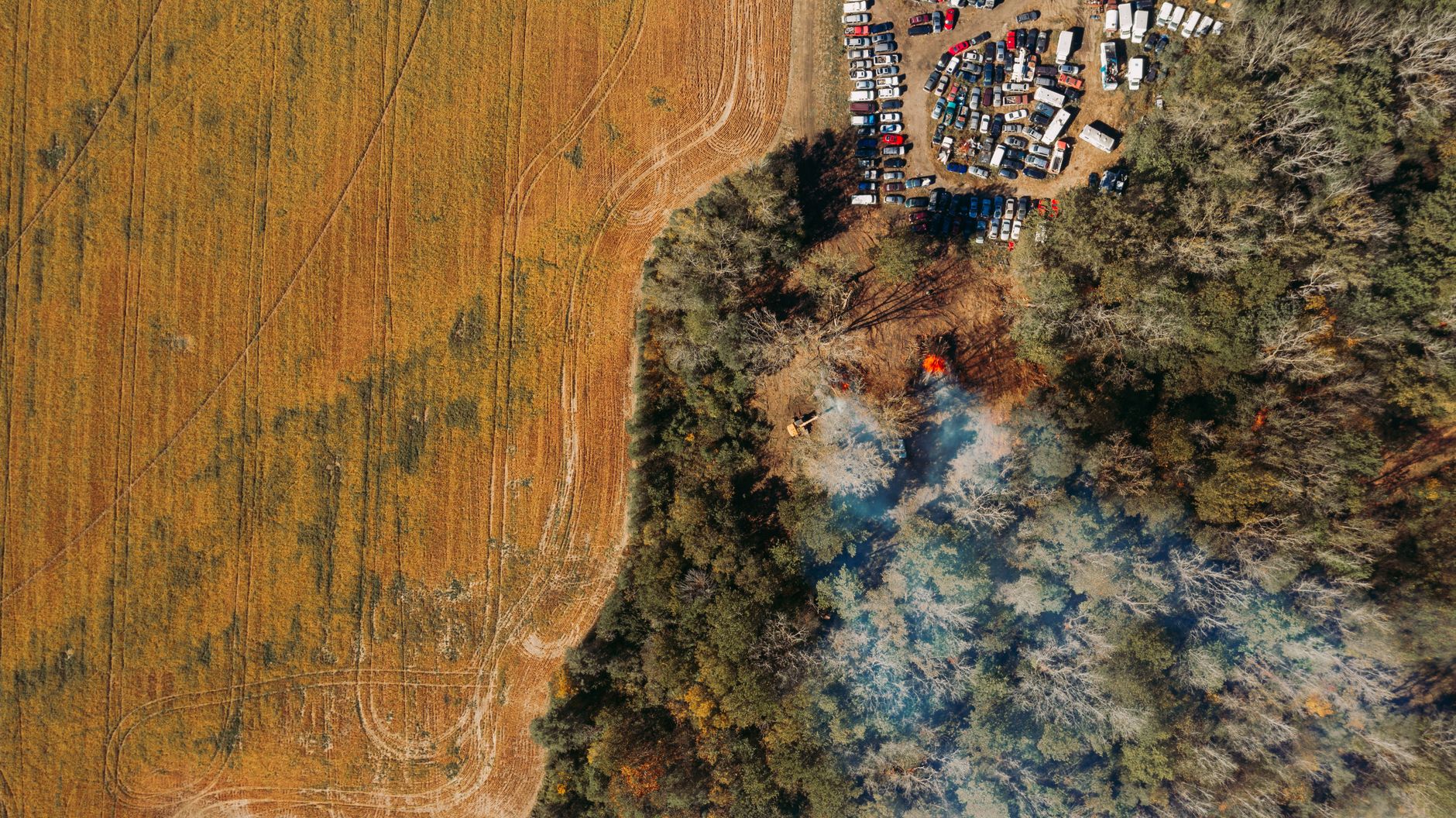
Wildfires are an increasing global threat, making the work of firefighters more dangerous than ever. Thankfully, new technologies are stepping up to the challenge. Drones are already critical tools, helping map blazes and identify dangerous hotspots from above, dramatically enhancing safety for ground crews. Now, the U.S. Forest Service and researchers are exploring the next frontier: ground robots and artificial intelligence. These advancements promise to revolutionize how we detect, track, and suppress wildfires, protecting both our communities and the brave individuals on the front lines, all while adapting to a changing climate.
During recent blazes like Montana’s Sand Creek Fire, drones were essential. They flew over treacherous terrain, finding hidden embers where it was too risky for people. These unmanned aircraft provide real-time thermal images, mapping fire edges and spotting heat sources, helping incident commanders make quicker, safer decisions. They can even perform tasks like igniting prescribed burns, reducing the exposure of pilots and firefighters to dangerous conditions. This has made drones a standard part of federal wildfire response, with dedicated teams of pilots and specialists, as confirmed by the Federal Aviation Administration.
But the innovation doesn't stop in the air. The U.S. Forest Service is also testing ground robots. These autonomous vehicles are designed to carry heavy equipment and supplies, like firehoses and medical gear, across rugged landscapes. This means machines can tackle hazardous routes where falling trees or steep slopes would endanger human crews. While still in development, these ground robots show great promise for improving efficiency and safety on the fireline.
Looking ahead, artificial intelligence (AI) is set to further transform wildfire management. Researchers, like Phinehas Lampman at the University of Idaho, are developing systems that combine drone-collected thermal images with machine learning. This allows them to predict how quickly a fire might spread. Such AI tools could offer vital information when traditional aircraft are grounded due to poor visibility, providing incident commanders with critical insights they need to make decisions and protect vulnerable areas.
The integration of AI-powered drones with advanced fire models, satellite data, and weather information is expected to make wildfire detection and tracking much faster and more accurate. This integrated approach ensures firefighters have the best possible intelligence to contain fires and reduce risks. Moreover, scientists are using drone data to better understand wildfire smoke, helping us predict its impact on air quality and health for communities downwind, a growing concern as intense wildfires become more common due to a warming climate. These sustainable technological strides are vital for adapting to and mitigating the environmental impacts of increasingly severe wildfires.