Wildfire Prevention at Risk: Why Are Crucial Burns Facing New Hurdles?

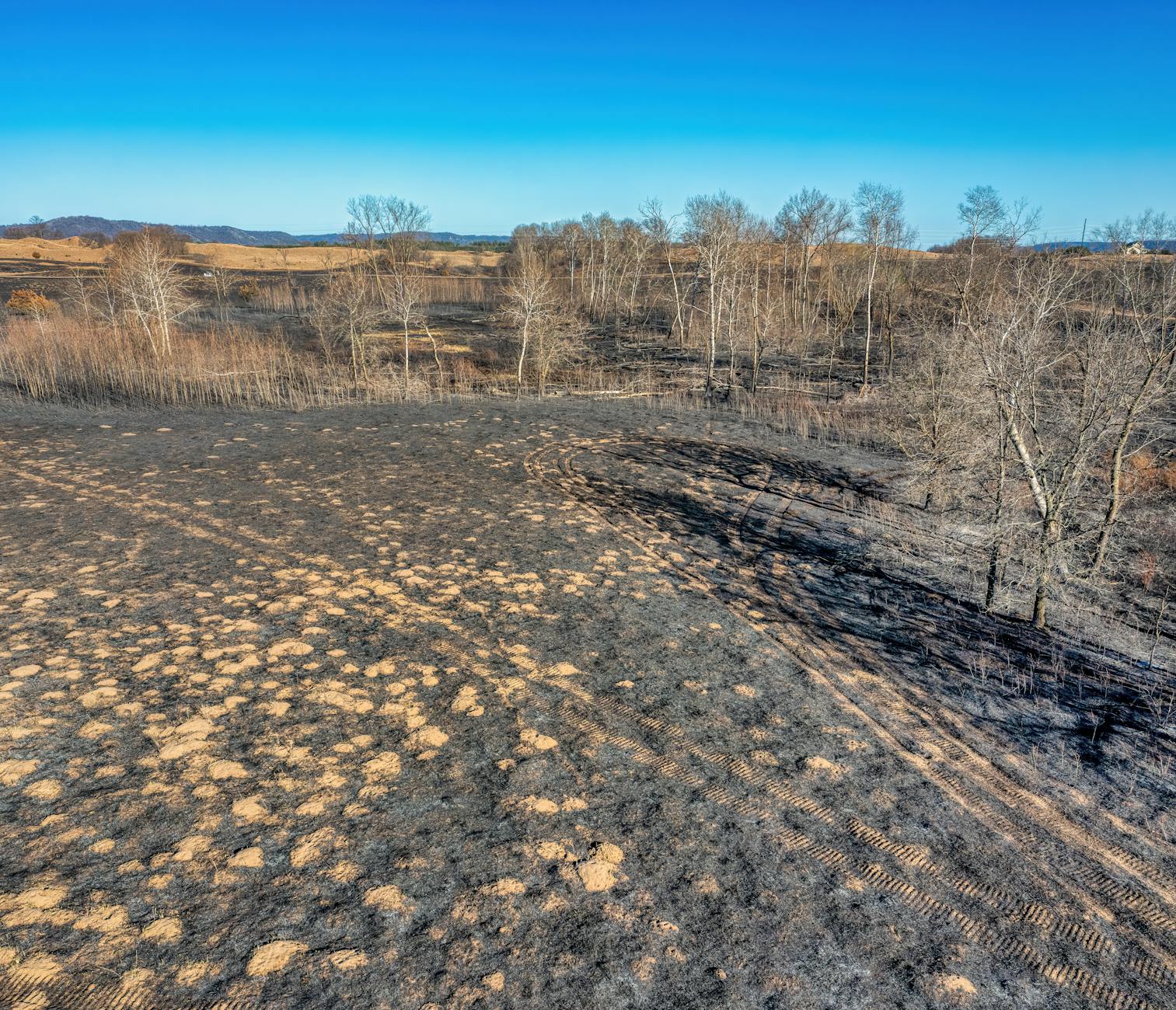
As climate change intensifies wildfire seasons, controlled burns are a vital tool to protect communities and forests. However, a catastrophic escaped prescribed burn in New Mexico, the Hermit’s Peak/Calf Canyon Fire, led to massive legal payouts, creating a 'chilling effect' on these essential prevention efforts. Practitioners now face soaring insurance costs and heightened liability fears, potentially undermining our ability to manage forests effectively and prevent future megafires. Balancing accountability with the urgent need for proactive climate action is becoming increasingly challenging.
Prescribed burns are a crucial strategy to keep forests healthy and reduce the risk of devastating wildfires. For millennia, Indigenous peoples used intentional fires to manage landscapes, and today, experts agree that carefully burning off dead wood, dry brush, and grasses prevents future uncontrolled blazes from becoming catastrophic. Studies show that these low-intensity burns significantly reduce the severity of wildfires, protecting both ecosystems and human lives. For instance, recent research from Stanford University found that prescribed burns reduced wildfire severity by 16 percent across the Western U.S. in 2020, while a 2023 study found they cut high-intensity wildfire risk by about 60 percent in California's fire-prone forests.
Most prescribed burns go off without a hitch; the U.S. Forest Service conducts thousands annually, with over 99.9 percent staying within planned areas. Yet, the memory of the 2022 Hermit’s Peak/Calf Canyon Fire in New Mexico looms large. What began as two planned burns escalated into the state’s largest wildfire, devastating over 340,000 acres, destroying hundreds of homes, and causing flash floods that killed three people. An investigation later found managers were burning under much drier conditions than understood.
The sheer scale of the damage led to over $5.5 billion in federal compensation, alongside multiple lawsuits against the government for negligence and emotional distress. This legal precedent has created significant concern among fire managers and private contractors. While federal employees are largely protected from personal liability, the government faces massive claims, and private companies are struggling with skyrocketing insurance premiums or even losing coverage entirely.
This fear of litigation could severely hinder critical wildfire prevention efforts. Some federal firefighters are reportedly sticking to less complex, though often less effective, pile burns. While federal data shows no overall decline in acreage burned by federal agencies, there has been a noticeable increase in pile burns compared to broadcast burns (which involve letting fire spread over a wider area), despite pile burns accounting for a tiny fraction of total fuel treated. The real impact is likely felt more on state and private lands, which make up the vast majority of acres treated with prescribed burns across the U.S., where legal protections are weaker.
In response, fire councils across the country are working to reduce liability by changing state negligence standards, establishing certified burn boss programs, and creating liability funds to cover damages if a burn escapes. States like California and Oregon have launched such funds, offering up to $2 million and $1 million respectively, alongside training programs that grant more protective liability standards for certified burners. These efforts are crucial, as climate change is unfortunately reducing the number of days suitable for safe prescribed burning. A 2023 study suggests rising temperatures could cut suitable burn days by 17 percent in the Western U.S. by 2060, making effective forest management even more urgent and challenging. As New Mexico’s fire council vice-chair Eytan Krasilovsky noted, “We’re trying to operate handicapped in a climate change-altered environment, and you’re just going to run into these catastrophes.” Collective action and supportive policies are vital to ensure fire managers can continue their essential work, protecting our environment and communities from the escalating threat of wildfires.