Wildfire Smoke: Why Tracking Its Path Remains a Challenge

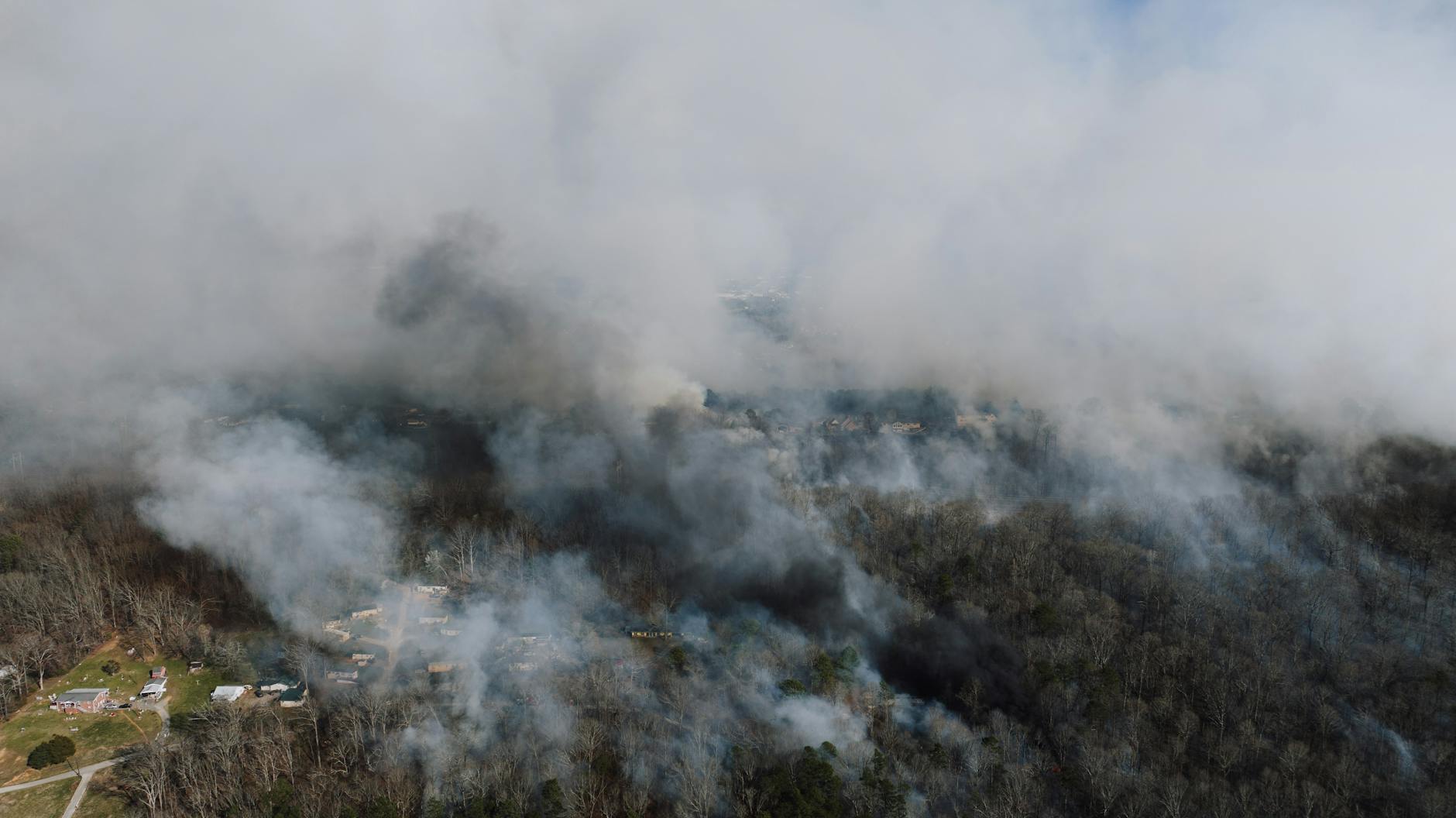
As global temperatures rise, wildfires are becoming more frequent and intense, bringing with them a growing threat: widespread smoke. This smoke, filled with tiny harmful particles, can travel vast distances and pose serious health risks. Experts like Glory Dolphin Hammes from IQAir North America highlight the significant challenges in accurately tracking these unpredictable plumes, making preparedness crucial for communities worldwide. Understanding these difficulties is key to protecting ourselves from this invisible, yet potent, air pollutant.
Tracking wildfire smoke isn’t as straightforward as predicting the weather, primarily because smoke behaves differently than, say, a rain cloud. It’s influenced by countless factors, from changing winds to the sheer scale of fires, making its movement unpredictable. This complexity means that even with advanced tools, pinpointing exactly where and when smoke will impact an area remains a significant hurdle.
This isn't just a matter of visibility; it's a serious public health concern. The microscopic particles in wildfire smoke can enter our lungs and bloodstream, worsening conditions like asthma, causing heart problems, and even leading to premature death. As the climate crisis intensifies, fueling more destructive wildfires, understanding how to prepare for and protect against smoke becomes ever more vital for everyone.
Ultimately, while we learn more about tracking smoke and improving immediate responses, the most effective long-term solution lies in addressing the root cause. Embracing sustainable practices, investing in clean energy solutions, and taking collective action against global warming will reduce the frequency and intensity of wildfires, leading to cleaner air for all. Until then, staying informed about local air quality and having a personal plan are critical steps in adapting to our changing climate.