Wildfires are claiming more lives. What’s pushing crews to the edge?

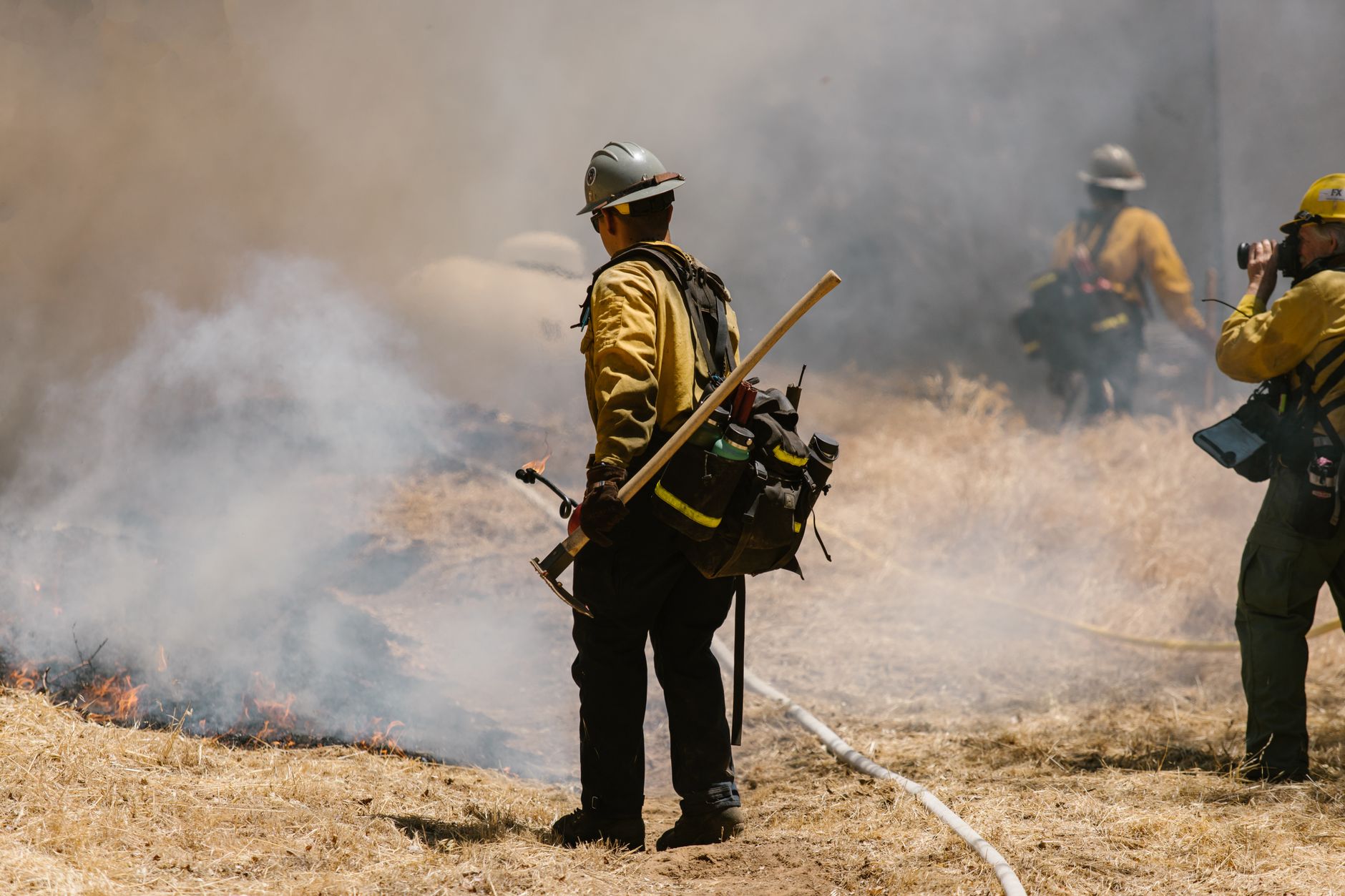
An intense and destructive wildfire season is taking a devastating toll on wildland firefighters. In a single tragic incident on the Colorado-Utah border, four brave crew members lost their lives while battling a blaze under extreme conditions. This escalating danger is deeply impacting the tight-knit firefighting community and raising urgent questions about safety policies amid a season fueled by historically low snowpacks and record-breaking heat waves, both worsened by human-caused climate change. The situation underscores the critical need for proactive environmental strategies to protect lives and landscapes.
A recent report sheds light on the harrowing conditions faced by wildland firefighters, including a crew that tragically lost four members in late June near the Colorado-Utah border. They were battling fires in rugged terrain, where winds gusted over 50 miles per hour and bone-dry fuels ignited easily. Despite deploying specialized fire shelters designed to offer a fighting chance, three firefighters died on the scene, and a fourth later succumbed to injuries, leaving a community heartbroken and on edge.
This heartbreaking loss comes amidst a wildfire season of unprecedented intensity, driven by low snowpacks and record spring heat, conditions clearly exacerbated by climate change. For those on the front lines, the sense of dread is palpable. As one firefighter shared, the extreme pre-season conditions made him feel like a tragedy was inevitable. The close-knit firefighting family grapples with a constant fear, calling friends and colleagues to ensure they are safe after every incident.
The increasing risks have sparked important conversations about firefighting strategies. There’s a debate between using 'direct attack,' which means battling fires aggressively from the edge, and 'indirect attack,' which involves fighting from a safer distance. While some leaders advocate for quick, direct action to prevent larger, more destructive fires, many seasoned firefighters and experts stress that safety must always come first, especially under extreme conditions. They argue that incident commanders on the ground should have the autonomy to choose the safest method, ensuring lives aren't risked unnecessarily.
To better protect these heroes and our natural environments, it's crucial that we act on multiple fronts. Beyond immediate response tactics, long-term solutions like increasing prescribed fires—controlled burns that reduce fuel and enhance ecosystems—are vital. These practices, supported by many fire professionals, can significantly lessen the intensity of future wildfires. Furthermore, public awareness about safe recreation and fire prevention is essential. As climate change continues to fuel more extreme fire seasons, our collective commitment to sustainable practices and environmental protection becomes our strongest defense.