Wildfires intensify: What's holding back vital home protections?

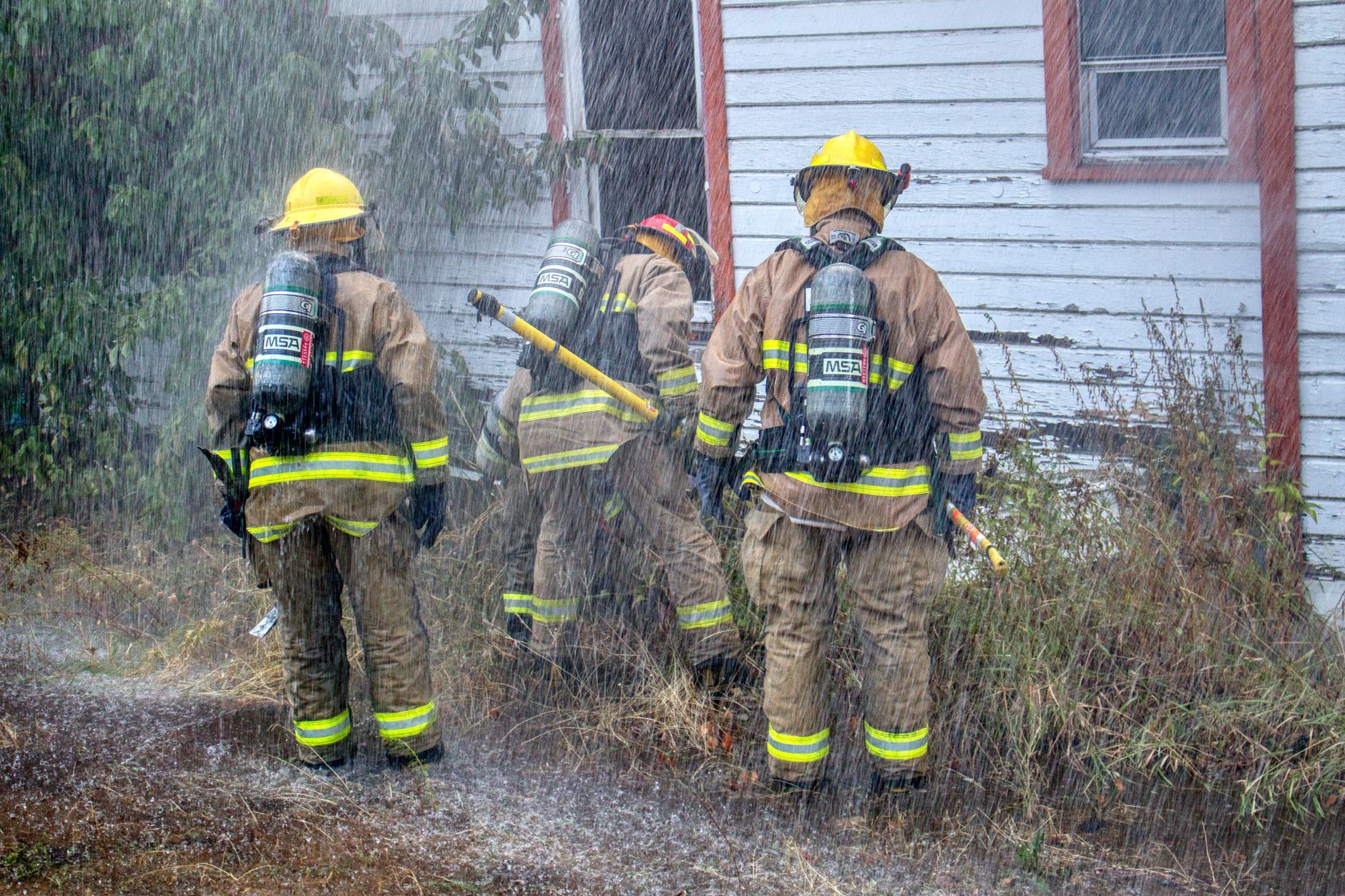
As devastating wildfires intensify across the Western U.S., states are facing a critical challenge: implementing effective fire protection laws for homes and communities. Despite clear research showing the effectiveness of measures like fire-resistant materials and defensible space, public pushback often stalls or weakens these vital regulations. This struggle leaves many areas vulnerable to the increasing frequency and intensity of fires, underscoring an urgent need for collective action to protect lives and property in the face of a changing climate.
The story of Dave Kokot in Spokane, Washington, highlights a growing concern. Even as wildfires closed in on his home, he felt prepared because his house had fire-resistant siding and cleared vegetation. This approach, known as creating "defensible space," is proven by research to significantly boost a home's chances against the tiny, wind-blown embers that cause fires to spread so quickly. Yet, making such precautions mandatory has proven difficult.
Washington state, like many others in the West, has tried to implement new wildfire safety rules, including building codes for homes in high-risk areas and requirements for managing plants. However, these efforts often face strong public opposition. For instance, some conservation groups worried about losing urban trees, while others felt the risk maps were too broad. This resistance led Washington lawmakers to roll back some crucial requirements, particularly those concerning vegetation management, which firefighters say are essential for safe operations.
This struggle isn't unique to Washington. Oregon also faced similar pushback, with concerns about insurance cancellations and misinformation leading to the repeal of its wildfire rules. This results in a confusing "patchwork" of regulations across the West, with some states having robust protections and others very few. While California has pioneered fire-resistant construction standards for nearly two decades and is considering even stricter rules for vegetation, states like Colorado only adopted comprehensive codes after devastating events like the Marshall Fire in 2021.
Experts emphasize that building codes tailored to wildfire risk are incredibly effective. As our climate heats up, wildfires are becoming more frequent and destructive, making these preventative measures more critical than ever. We can no longer afford to be complacent. Proactive planning and state-wide regulations are essential steps to protect communities and build a more resilient future against the urgent threat of climate change.