Wildfires now burn through the night. What changed?

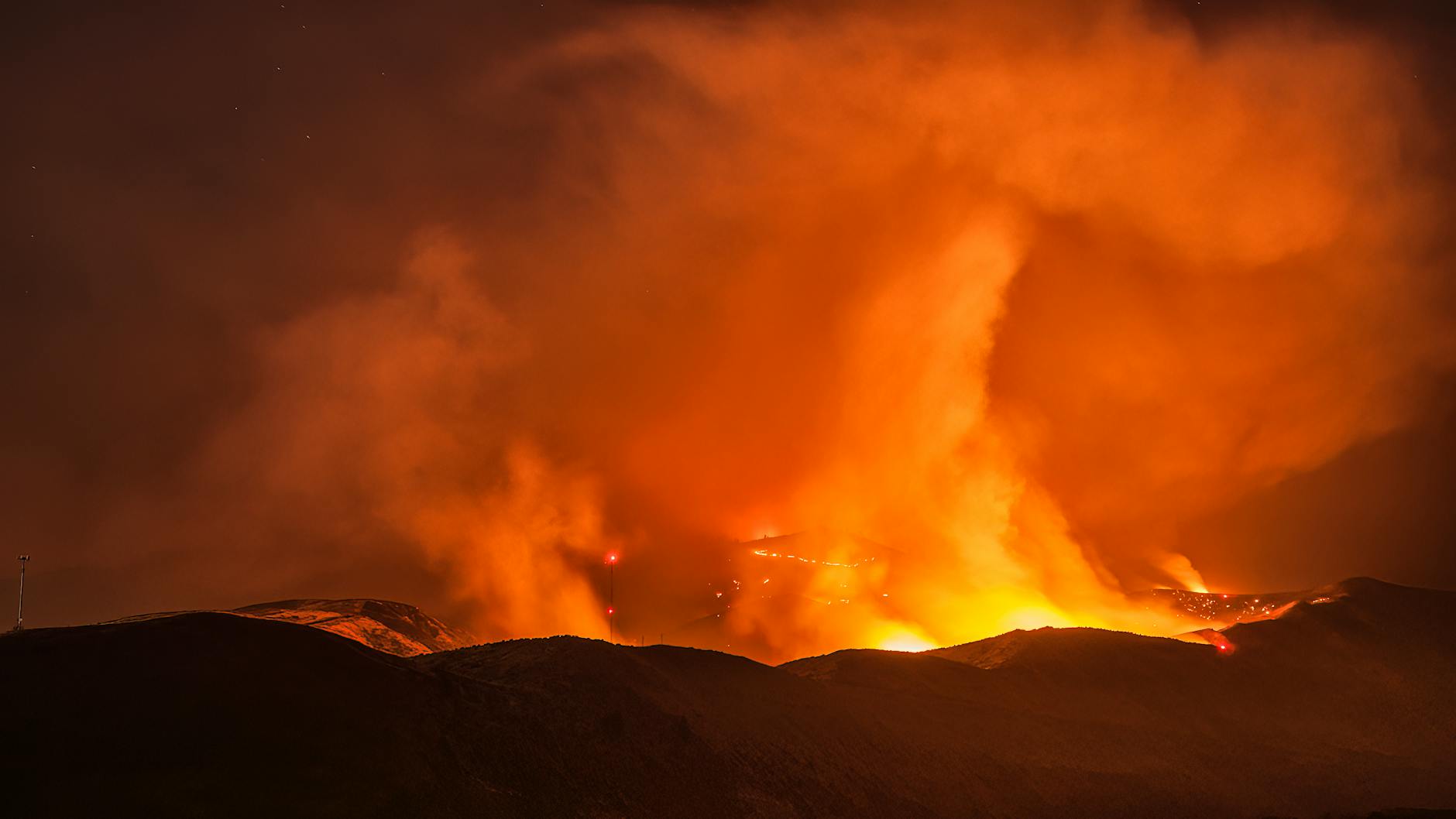
Wildfires across North America are no longer 'going to sleep' at night, burning instead through hours previously safe from the flames. A new study reveals that human-caused climate change is extending the hot, dry conditions that fuel these fires, leading to 36% more hours favorable for burning over the past 50 years. This worrying trend makes wildfires harder to fight, putting communities and natural environments at greater risk. The urgency to address global warming has never been clearer, as our planet's changing climate redefines natural fire patterns.
For decades, wildfires would typically die down or even extinguish themselves as night brought cooler temperatures and higher humidity. But a recent study published in Science Advances reveals that this natural rhythm is profoundly disrupted. North America now experiences 36% more hours when weather conditions are ripe for wildfires compared to 50 years ago. Regions like California have seen 550 additional burning hours, while parts of southwestern New Mexico and central Arizona face up to 2,000 more hours each year, intensifying the fire season significantly. This also means 26 more fire-prone days annually.
The reason for this dramatic shift is clear: our warming climate. Scientists explain that human-caused heat-trapping gases are causing nights to warm faster than days, a trend confirmed by the National Oceanic and Atmospheric Administration. This means the vital overnight drop in temperatures and increase in humidity, which once helped slow fires, is happening less often. Essentially, warmer nights prevent forests from recovering from daytime dryness, making them more vulnerable to continuous burning. This ongoing stress on ecosystems makes vegetation even more flammable, creating a vicious cycle.
Fires that burn through the night gain a dangerous head start each morning, making them incredibly difficult and dangerous for firefighters to combat. This constant threat highlights the urgent need for robust environmental action and sustainable solutions. The consequences are already visible: from 2016 to 2025, U.S. wildfires burned an area the size of Massachusetts each year, a staggering 2.6 times the average from the 1980s, according to the National Interagency Fire Center. Canada has seen a similar trend, with average land burned over the last decade being 2.8 times higher than in the 1980s, reports the Canadian Interagency Forest Fire Centre. These statistics underscore why addressing climate change is crucial for protecting our communities and natural world.