Wildfires: What's Really Fuelling the Inferno?

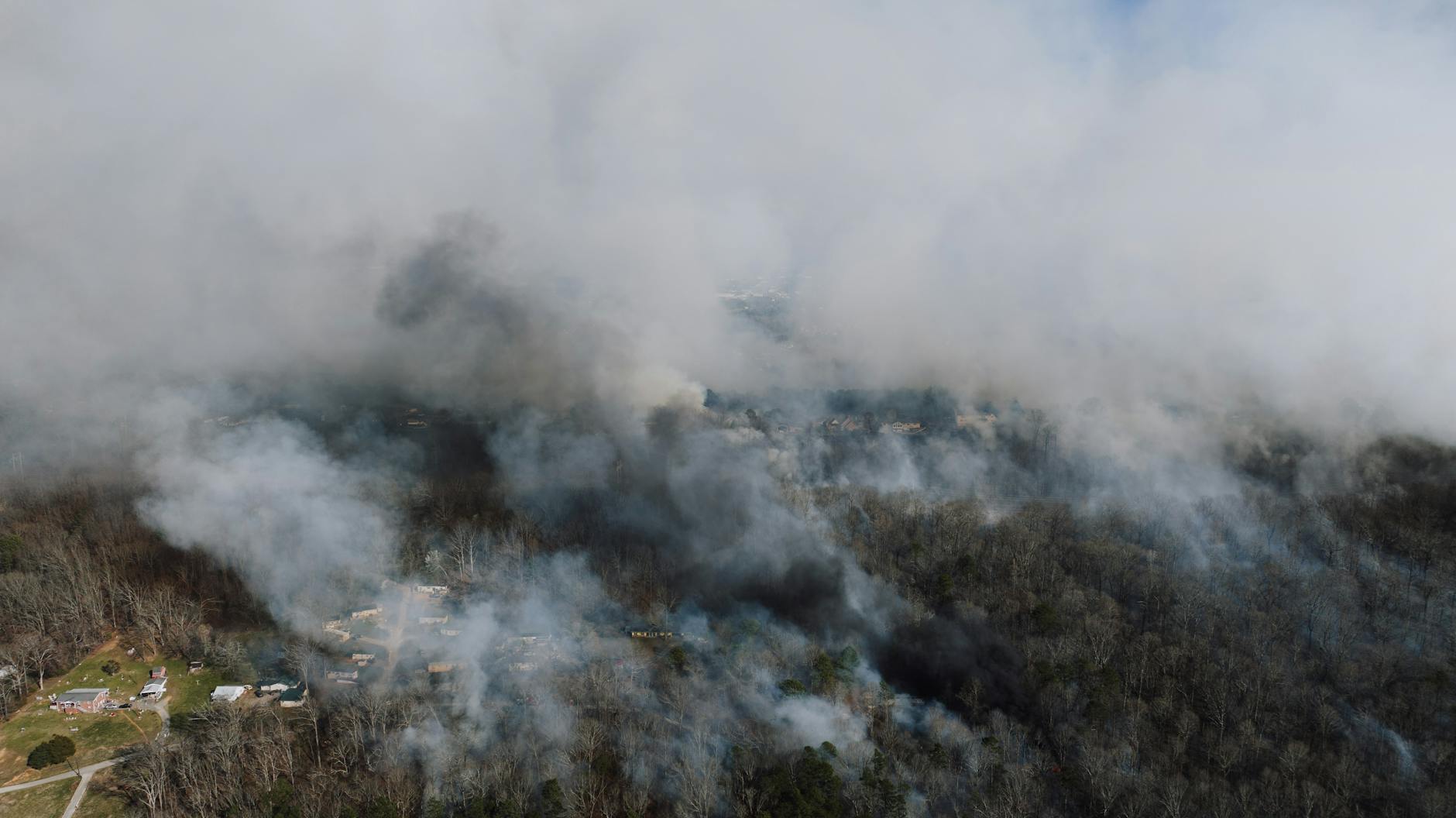
Wildfires increasingly dominate headlines, but their growing intensity and frequency tell a deeper story than just seasonal events. These infernos are stark reminders of how our climate is changing, creating conditions ripe for destruction. Experts are looking beyond immediate emergencies to understand the profound connections between global warming and wildfire patterns. Recognizing these links is crucial for protecting our communities, vital ecosystems, and the very air we breathe from escalating climate impacts.
What we're seeing with wildfires today is not just bad luck; it’s a clear symptom of a changing climate. Warmer temperatures and prolonged droughts, driven by global warming, dry out forests and grasslands, turning them into perfect fuel for devastating fires. This isn't just about hot summers; it’s about a long-term shift that makes every fire season more dangerous and unpredictable.
The impacts stretch far beyond burned areas. Smoke travels vast distances, degrading air quality and posing serious health risks to millions. Ecosystems, once resilient, struggle to recover from increasingly frequent and severe burns, threatening biodiversity and natural carbon sinks. The economic toll, from fighting fires to rebuilding communities, is immense, diverting resources that could be used for prevention or sustainable development.
Understanding these connections makes it clear why environmental action is so urgent. Addressing global warming through sustainable solutions, like transitioning to cleaner energy sources and protecting natural landscapes, isn't just an option; it's essential. Collective action to reduce emissions and adopt smarter land management practices can help curb the intensity of future wildfires, offering a path toward a safer, healthier planet.