Wind Power's Hidden Challenge Amidst Extreme Weather

From ambitious carbon market plans in Kenya to new emissions reporting rules in California, global efforts to tackle climate change are gaining momentum. Meanwhile, Europe grapples with escalating extreme heat, pushing cities and financial institutions to adapt urgently. These developments underscore a critical turning point: our planet is warming faster than anticipated, demanding robust and innovative solutions to protect communities and ecosystems. The shift away from fossil fuels is not just an environmental imperative but a financial necessity, as institutions move to mitigate climate-related risks.
Kenya is setting up a national carbon exchange by 2027, hoping to attract billions in green investments and become a leader in Africa's carbon markets. This move aims to fund projects that reduce emissions, like planting trees and using renewable energy. Across the globe, California has pushed back the deadline for companies to report their greenhouse gas emissions, giving them more time to comply with new regulations. These rules are crucial for transparency, helping track large corporations' environmental footprint and pushing them towards cleaner operations.
Europe is currently battling severe heatwaves, a stark reminder of our changing climate. In Rome, activists dramatically melted ice statues representing workers, protesting the dangers of extreme heat and demanding an end to fossil fuels. Simultaneously, a group of twelve Portuguese organizations issued an urgent appeal for their cities to adapt quickly, calling for more green spaces, climate refuges, and better building designs to protect vulnerable populations. These calls highlight the immediate need for cities to become resilient against rising temperatures.
Even financial institutions are recognizing the urgent need for change. The European Central Bank (ECB) has started adjusting its rules, making it less attractive for banks to hold corporate bonds from companies heavily reliant on fossil fuels. This smart move helps protect the financial system from the economic risks of transitioning to a low-carbon economy, emphasizing that climate action is not just good for the planet but also for financial stability.
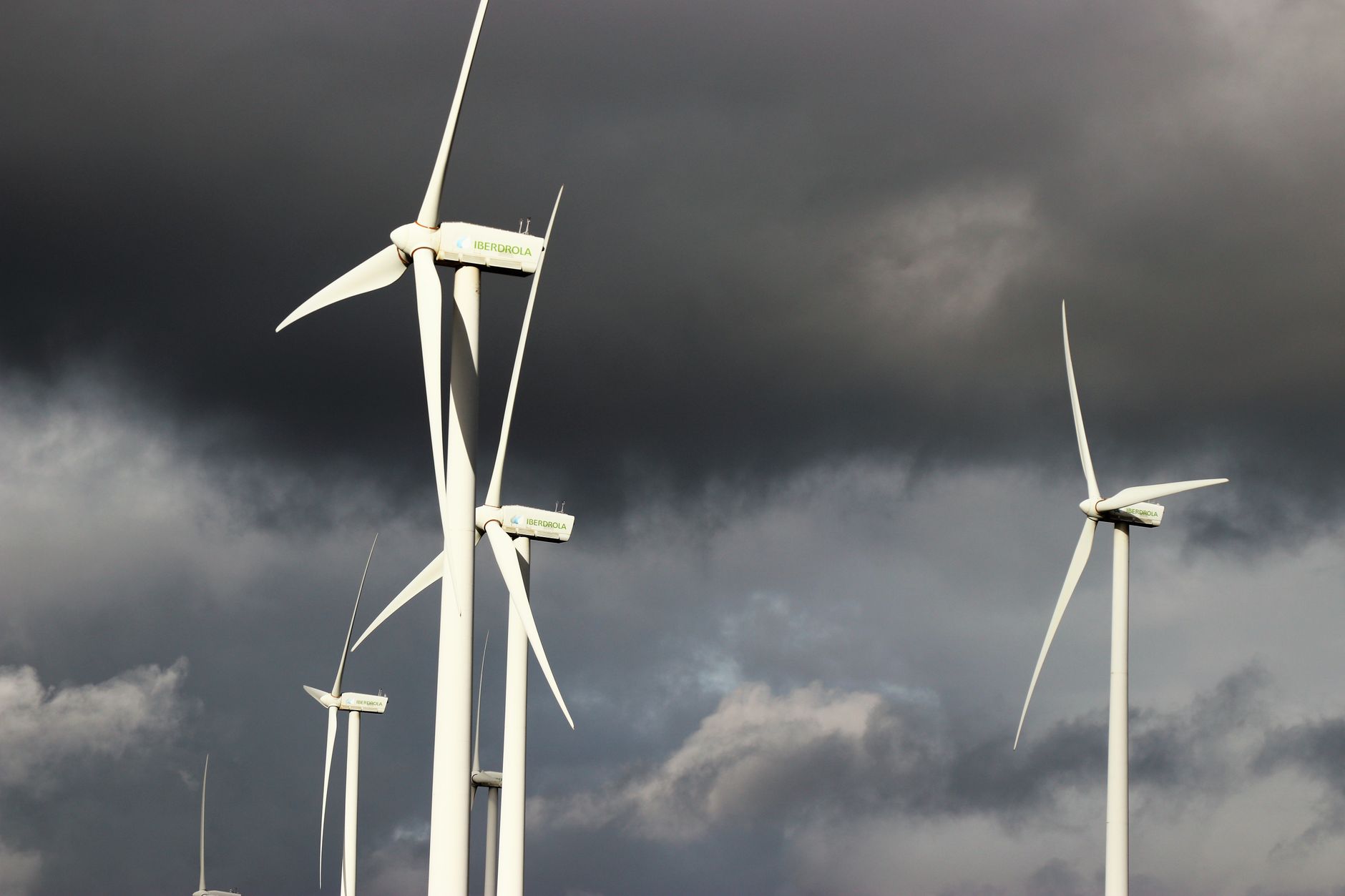
New projections from the World Meteorological Organization (WMO) show that global warming and extreme weather events will only increase in the coming decade. We're already seeing this happen: a recent superstorm in South Dakota unleashed winds so powerful (211 km/h) that they damaged over twenty wind turbines designed to withstand extreme gusts (180 km/h). This incident dramatically illustrates how current weather patterns are now surpassing historical expectations, stressing the need for stronger, more resilient infrastructure, especially as we electrify with renewable energy sources.
Addressing these challenges, new reports offer practical solutions. Research by the Institute for Global Environmental Strategies (IGES) stresses the urgency for cities like Paris to adapt to severe heatwaves. Meanwhile, a report from Arup, supported by the Earthshot Prize, showcases eleven innovative strategies from cities worldwide—like Bogotá, Durban, and Oslo—proving that local actions can drive significant global climate progress. These examples highlight the immense potential for cities and regions to lead the charge towards a low-carbon, climate-resilient future.