World’s Biggest Polluters Ghost COP30 As Amazon Nears Disaster

As world leaders land in Belém for the COP30 climate summit, the world’s three largest polluters – China, the United States and India – are conspicuously missing from the opening leaders’ segment. Their absence overshadows Brazilian President Luiz Inácio Lula da Silva’s bold attempt to launch a massive Tropical Forests Forever Fund that would pay countries to keep their rainforests standing, even as Brazil itself still approves new oil exploration near the Amazon. Scientists warn that around 17% of the Amazon has already been destroyed, pushing the “lungs of the planet” dangerously close to an irreversible tipping point. Meanwhile, Indigenous leaders and youth activists are filling the streets and rivers with protests and flotillas, insisting that there is no time left for half-measures or political games. What happens – and what fails to happen – in Belém will echo far beyond the rainforest.
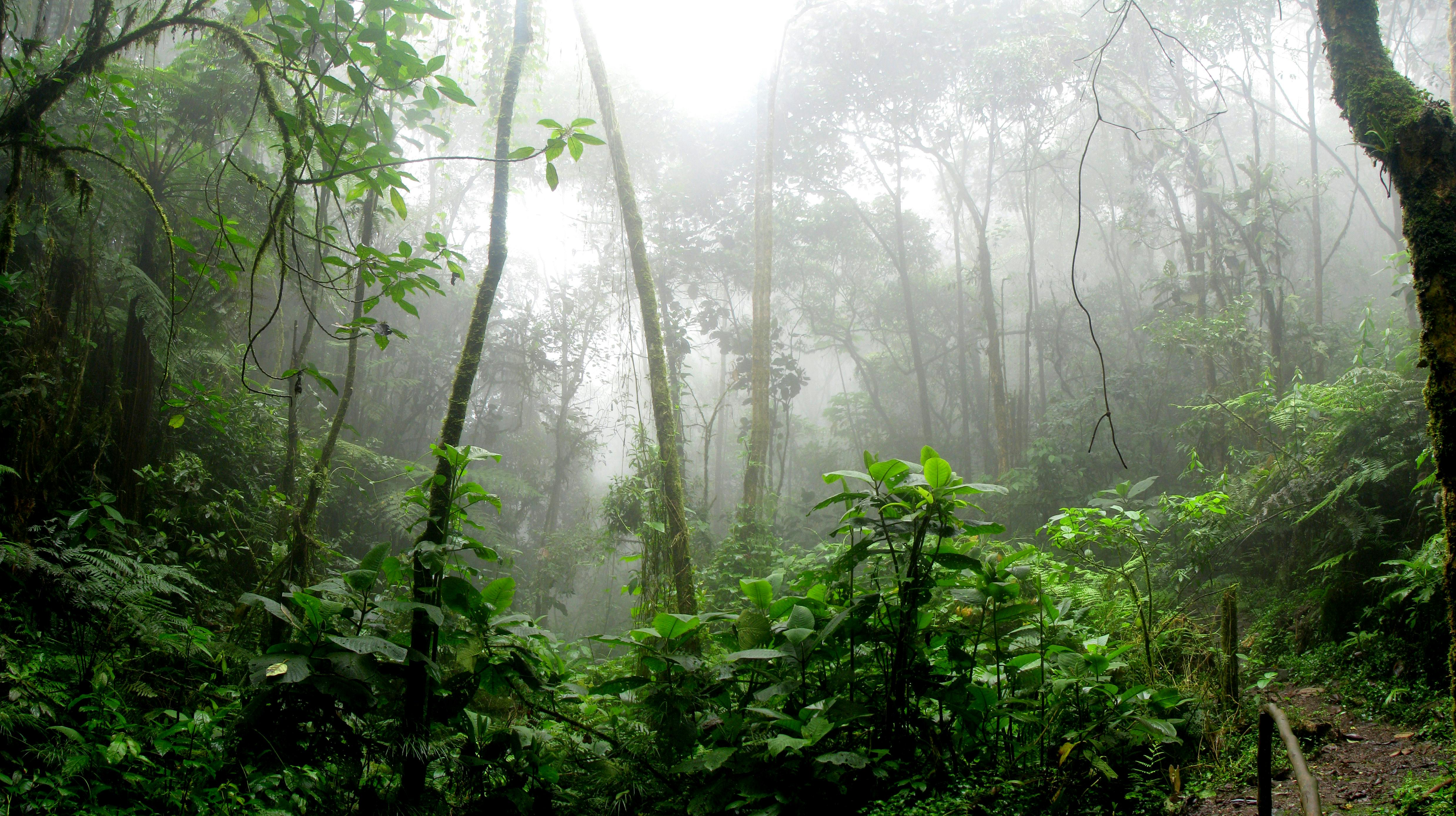
As planes descend into Belém, the first thing delegates see is the contradiction that defines COP30. From above, the Amazon still looks like an endless green ocean cut by silver rivers. But the view is scarred: huge brown rectangles of pasture and mines where rainforest once stood. Conservation groups estimate that roughly 17% of the Amazon’s forest cover has been lost in the last half century, mostly to cattle ranching, logging and agriculture, a figure echoed by analyses from groups such as WWF and National Geographic about the Amazon and deforestation assessments. If destruction continues and deforestation passes 20–25%, scientists warn that the forest could tip toward a drier savannah-like state, releasing even more carbon rather than absorbing it.
It is against this backdrop that COP30 is opening in Brazil’s Amazonian metropolis – and some of the most powerful players are simply not in the room. As first reported in an Associated Press-based analysis, the leaders of China, the United States and India, the world’s top three emitters, skipped the summit’s opening gathering of heads of state. Washington has confirmed that President Trump will not send any senior officials at all, leaving one of the largest historical emitters effectively absent from the world’s main venue for climate diplomacy US absence report.
For many diplomats and campaigners, this is more than a symbolic snub. Under previous administrations, the United States helped broker key deals, from nudging China to cap coal use to unlocking climate finance for poorer countries. Now, Trump’s decision to pull the US out of the Paris Agreement earlier in his presidency – a move widely fact-checked and criticised by climate and legal experts Paris withdrawal background – is being followed by a near-total absence from COP30. Observers fear that this signals a broader retreat from climate politics by the world’s biggest polluters just as the window to keep global heating below 1.5°C is rapidly closing.
The ripple effects are already visible. Argentina’s libertarian President Javier Milei has echoed Trump’s rhetoric, threatened to quit the Paris Agreement and previously pulled his negotiators from last year’s talks. Ahead of COP30, Argentine media and analysts reported that the country had still not confirmed its participation, raising the risk of another major economy sitting out the negotiations altogether Argentina attendance analysis. Indigenous leaders from the region warn that this political vacuum emboldens those pushing for more drilling, mining and logging in some of the planet’s last intact ecosystems.
Brazil, the host, encapsulates the tensions at the heart of this summit. President Luiz Inácio Lula da Silva arrived in office promising to “make Brazil a climate leader,” and deforestation in the Brazilian Amazon has fallen sharply since his election, reversing part of the surge seen under former President Jair Bolsonaro Amazon trend overview. Lula’s government is now unveiling its flagship proposal: the Tropical Forests Forever Facility (TFFF), a huge international fund that would pay forest countries to keep trees standing.
According to official Brazilian documents and partner organisations, the TFFF aims to become one of the largest conservation funds ever created, with more than 70 tropical forest countries eligible for support fund concept note. The structure is designed like a permanent endowment: governments and private investors would put in capital, and the returns would be used to make annual payments to countries that can show, with satellite data, that they are preserving their forests. Brazil has already pledged around $1 billion of its own money, while Norway has signalled plans to invest about $3 billion, and the government says the goal is to mobilise $10 billion in public funding in the facility’s first year, leveraging much larger sums from the private sector financing details. Analysts at the World Resources Institute describe the facility as a potentially “transformational” tool – if rich countries actually deliver the promised contributions global fund analysis.
Yet Lula’s green credentials are under pressure. Just weeks before COP30, his government authorised the state oil company Petrobras to explore for oil near the mouth of the Amazon River, raising fears of spills in a uniquely sensitive ecosystem coverage of Lula’s dilemma. Environmentalists accuse Brazil of trying to claim the leadership mantle on forests while quietly expanding fossil fuel extraction. Lula has responded that he never asked to be branded an environmental hero and insists that a nation with deep social inequalities cannot simply walk away from potential revenue. The contradictions are stark: the same presidency calling for a historic deal to pay countries not to destroy forests is also defending new oil frontiers on the edge of that forest.
The physical setting of COP30 also reveals both ambition and fragility. Belém is a city of about 1.3 million people with a limited tourism infrastructure. Before the summit, it had roughly 18,000 hotel beds – a fraction of what is needed for the roughly 50,000 delegates, journalists and campaigners expected to attend logistics report. To plug the gap, Brazil has chartered cruise ships to serve as floating hotels and converted public buildings, military barracks and even an internal revenue office into dormitories. Earlier investigations by European media described hotel prices soaring into the hundreds or even thousands of dollars per night, threatening to shut out delegates from poorer countries and civil society groups housing cost investigation.
This raises uncomfortable questions about who gets a voice in climate negotiations that will shape the fate of billions. To counter exclusion, social movements are organising a parallel “People’s Summit” across the city, insisting that those most affected by climate breakdown – Indigenous communities, small farmers, riverine populations, and residents of favelas – must not be pushed to the margins civil society mobilisation. Brazil has also invested heavily in bringing Indigenous delegations to Belém; around 3,000 Indigenous people are expected to participate in the conference, a historic high for any COP Indigenous participation overview.
Their message is uncompromising. In the days leading up to COP30, about 60 Indigenous leaders travelled from the Andes to the Amazon by land and river, holding ceremonies and protests to demand protection of their territories and an end to what they call “sacrifice zones” for mining and drilling Indigenous journey report. Many arrived in Belém by boat under massive banners calling for climate justice and land rights. A recent report by civil society groups found that roughly 17% of Indigenous territories in the Amazon face active threats from extractive industries, and more than 1,600 environmental defenders have been killed or disappeared in the region over the past decade.
For activists, just being able to march freely outside the COP gates already marks a major shift. Recent UN climate summits were held in countries where protests were heavily restricted or confined to strictly controlled “blue zones.” Commentators note that pandemic rules at COP26 in Glasgow were followed by severe protest limits in Egypt, the United Arab Emirates and Azerbaijan protest restrictions background. In Brazil, by contrast, streets around the conference centre are filled with drums, chants and colourful Indigenous regalia. Youth climate strikers, local river communities and international NGOs are all using the rare visibility of an Amazonian COP to press a simple message: there is no more room for delay.
Inside the negotiation halls, that urgency is being echoed by vulnerable countries and UN officials. Small island states, already battered by sea-level rise and stronger storms, are urging major emitters to “honour 1.5°C or sign our death warrants,” as one negotiator put it in a live-blogged intervention, while UN Secretary-General António Guterres has called overshooting the 1.5°C target a “moral failure” live COP30 coverage. The science is equally blunt: the Amazon, once a powerful carbon sink, is now close to becoming a net source of emissions, with studies suggesting it has released billions of tons of carbon dioxide in recent years as deforestation, drought and fire escalate Amazon climate science recap.
All of this makes the empty seats at COP30 even more alarming. The world’s biggest polluters are precisely the countries whose decisions will determine whether the planet stays within relatively safer temperature limits or blasts past them. By staying away from the opening leaders’ summit, they hand the microphone to others – but they also risk signalling to industry and financial markets that serious climate action can once again be postponed.
Belém’s emerald canopy, already bitten away by chainsaws and flames, is a vivid reminder that the climate crisis is not a distant abstraction. Every year of delay brings the Amazon closer to a point of no return, while heatwaves, floods and storms grow more destructive worldwide. COP30 still offers a chance for rich countries to finally deliver the finance they have promised, for emerging economies to commit to cleaner development paths, and for forest nations to be paid fairly for protecting ecosystems that stabilise the global climate. But that window is narrowing fast – and history will remember not only who spoke in Belém, but who chose not to show up at all.