Wyoming Land Leases Spark Concern: What Did Officials Miss?

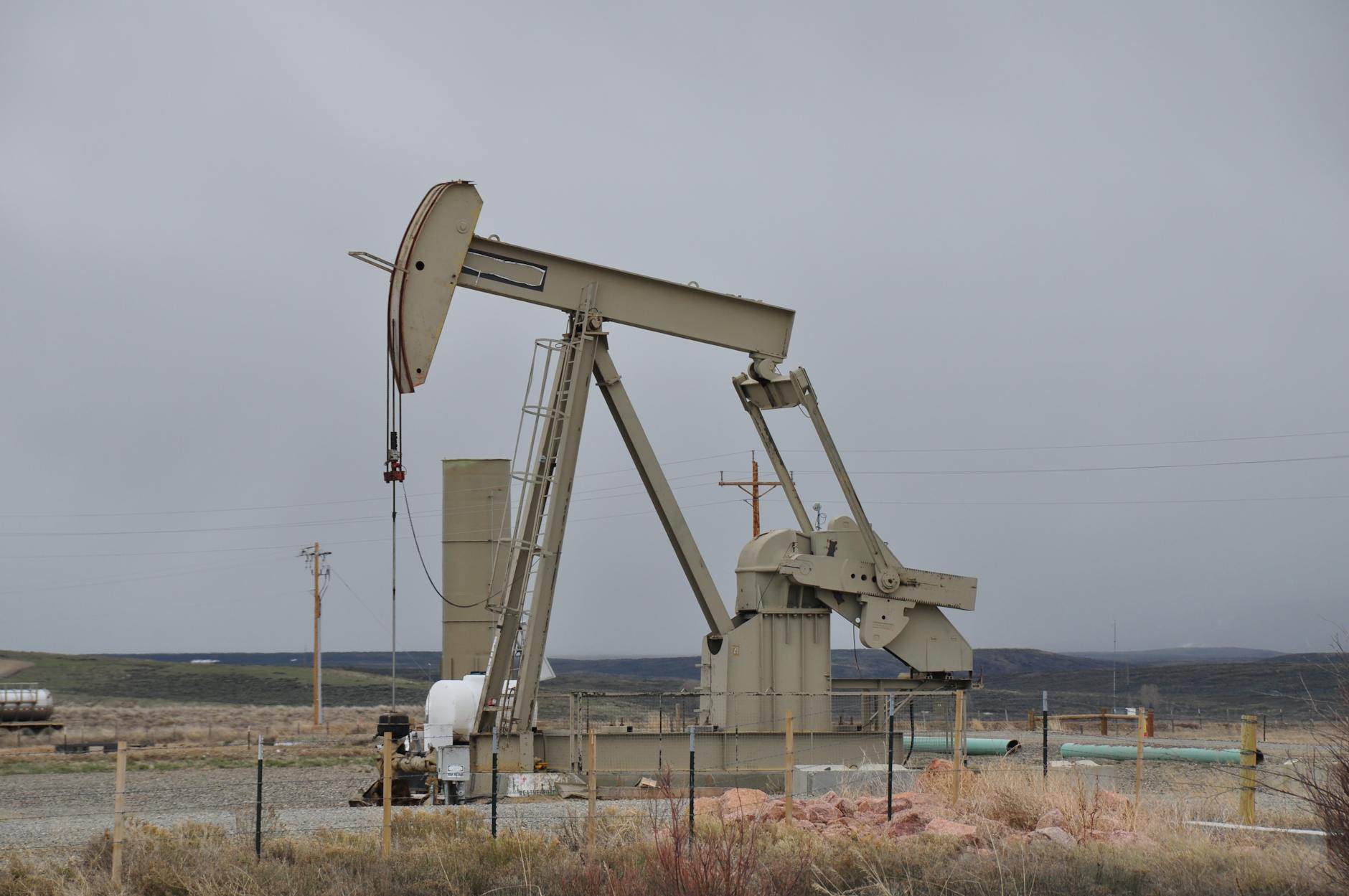
A significant error by the Bureau of Land Management (BLM) has raised alarms in Wyoming, as federal documents for massive oil and gas leases included incorrect environmental analyses. This misstep comes as new rules are being proposed to roll back environmental protections and public input, threatening critical wildlife habitats across nearly 380,000 acres. The situation underscores the urgent need for robust oversight and sustainable land management to protect our natural heritage from unchecked fossil fuel expansion.
Wyoming residents and environmental groups are questioning the federal government's approach to public lands after the Bureau of Land Management (BLM) accidentally used an outdated environmental analysis for a new oil and gas lease sale. The agency offered a substantial 380,000 acres of federal land for drilling, but its crucial environmental review cited parcels from a previous auction. While the BLM stated the correct analysis was conducted and the wrong list was a simple oversight, this error highlights concerns about thoroughness during a period of rapid expansion in fossil fuel development.
This mistake appears as the Department of the Interior proposes sweeping changes to oil and gas rules. These revisions would eliminate key environmental assessments for new leases, drastically cut public comment periods, and significantly reduce royalty payments to the public. Crucially, bond requirements—funds set aside by companies for well cleanup—would plummet from hundreds of thousands of dollars to as little as $10,000 per lease, potentially leaving taxpayers to foot the bill for abandoned wells. These changes move away from the principle of balancing resource development with conservation, prioritizing fossil fuel interests over the long-term health of our lands and communities.
Many of the affected parcels are in Wyoming's Red Desert, a vital region known for its sagebrush steppe, important big game migration routes, and some of the world's best habitat for the threatened sage-grouse. Increased drilling activity poses a severe threat to these sensitive species. Experts warn that new drilling rigs have a far-reaching negative impact on sage-grouse habitat and other wildlife like mule deer, elk, and pronghorn. The growing volume of land offered for lease is creating escalating conflicts with crucial wildlife areas, jeopardizing biodiversity and the natural beauty of these public spaces.
Observers are concerned that the BLM, already facing significant staff reductions, may be overwhelmed by the directive to open more public land for fossil fuel extraction. An analysis found the BLM lost 23 percent of its staff in the first year of the current administration, raising questions about the agency's capacity to manage such a large and complex undertaking responsibly, especially when critical environmental reviews are at stake. The public's role in identifying errors, as seen in this case, becomes even more vital when official input opportunities are reduced.
Public feedback on the proposed rule changes has been overwhelmingly negative, with over 99 percent of commenters opposing the rollbacks, particularly the reduced bonding minimums. Ranchers and conservation groups alike argue that these changes put local communities and the environment at unnecessary risk. Protecting our public lands from irresponsible development is essential for maintaining wildlife habitats, securing clean water, and preserving the outdoor spaces cherished by all Americans. This situation underscores the importance of a collective commitment to environmental action and sustainable practices to safeguard our planet for future generations.