Your Daily Drive Just Got Cleaner: New Hybrids Do THIS.

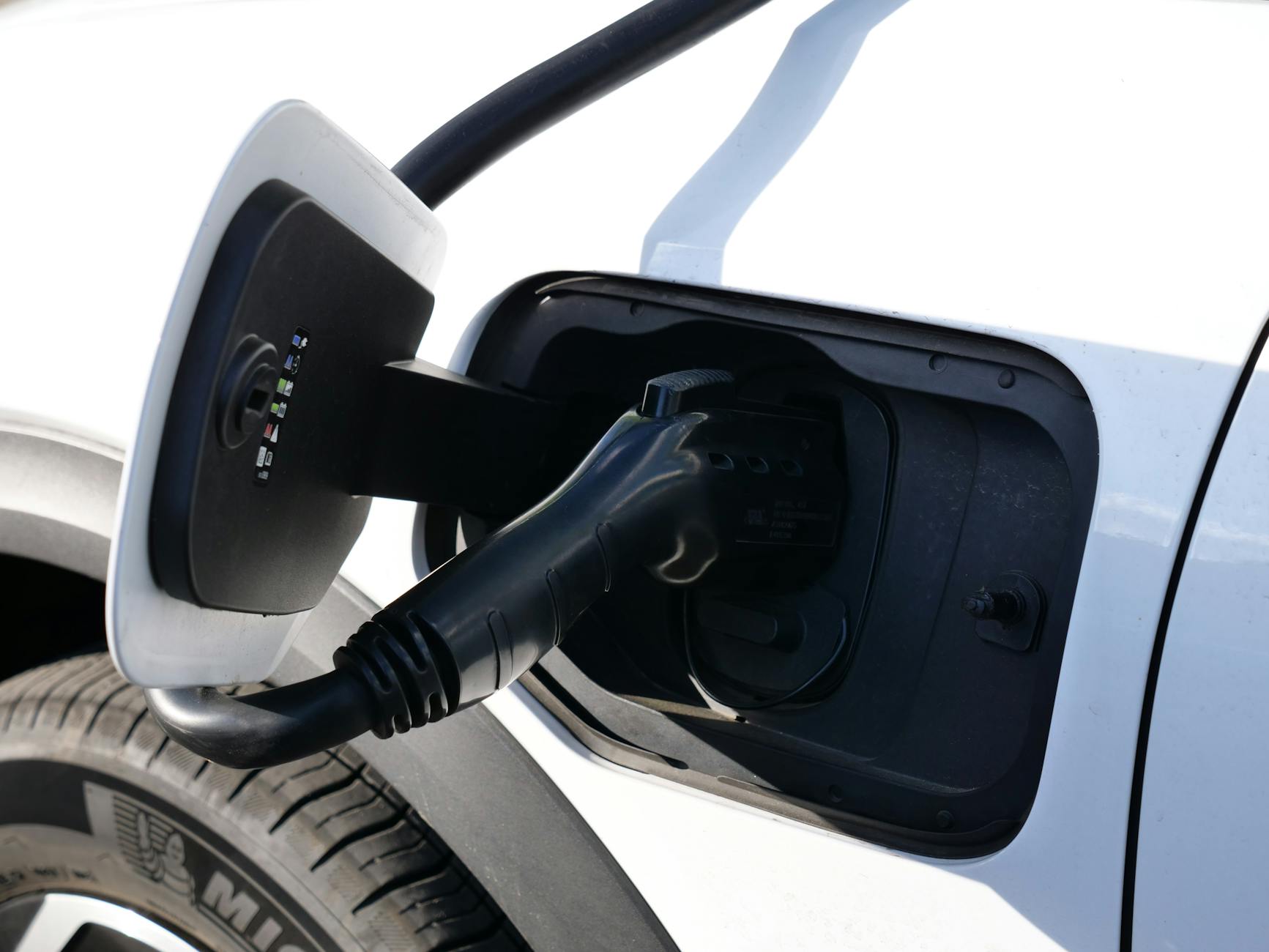
A new generation of plug-in hybrid vehicles (PHEVs) is set to revolutionize daily commutes by offering significantly extended electric ranges. These advanced models can now cover most typical trips on battery power alone, drastically cutting down gasoline use and carbon emissions. For many drivers, this means a greener, more economical way to get around without fully committing to an all-electric car. It's a crucial step in making sustainable transportation accessible and appealing, moving us closer to a cleaner energy future.
Imagine driving to work and running errands almost entirely on electricity, only needing gasoline for those longer weekend adventures. This is becoming a reality with the latest plug-in hybrid vehicles.
Today's top-performing PHEVs already offer impressive electric ranges, allowing drivers to complete their 40-mile commutes without burning a drop of gas. But the next wave is pushing these limits even further, with some models expected to achieve nearly 80 miles on a single charge. This innovation means a typical American's daily driving — about 38 miles — could soon be entirely fossil-fuel-free, provided the car is charged regularly.
Car manufacturers like Volvo and Mercedes-Benz are actively investing in these longer-range hybrids. They see them as a vital pathway to accelerate electrification goals, bridging the gap for consumers who are curious about electric driving but perhaps hesitant to fully transition. These vehicles offer a tangible step towards cleaner air and reduced reliance on fossil fuels, proving that powerful climate action can begin with our daily drive.
This shift means significantly fewer trips to the gas station and, critically, a noticeable drop in carbon emissions, helping us move closer to a sustainable future. While these advanced hybrids generally cost more than their conventional counterparts, technological advancements in battery efficiency are making them increasingly viable. Industry experts anticipate that these long-range PHEVs will not only attract new customers but also encourage more drivers to eventually switch to fully electric vehicles, marking a significant stride in global climate action.