Korean EV Owners Turn Miles Into Cash

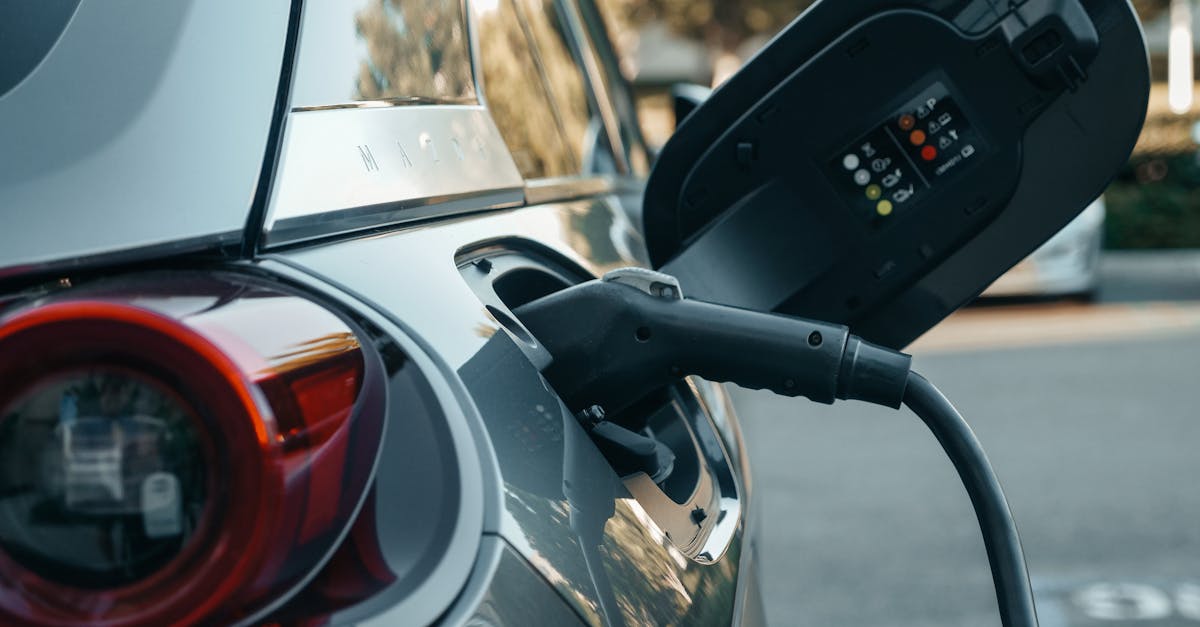
Stellantis Korea is making waves by allowing electric vehicle (EV) owners to convert their mileage into cash rewards through carbon credits. This groundbreaking initiative, a first in Korea, aims to incentivize EV adoption and offers a tangible financial benefit for clean driving. Partnering with Hooxi Partners, the company is turning environmental responsibility into a direct reward for consumers. This move provides a fresh approach to encouraging sustainable transportation and aligns with broader climate goals.
Stellantis Korea has launched an innovative program where owners of its electric vehicles can turn their accumulated mileage into real money. The company works with carbon credit specialist Hooxi Partners to trade these credits, passing the earnings back to the vehicle owners. Essentially, every mile driven in a Stellantis EV can now build a 'green asset' for its owner, a novel approach for Korea.
Carbon credits are a way to measure and reward reductions in greenhouse gas emissions. Each credit represents one ton of carbon dioxide (CO₂) that has been avoided or removed from the atmosphere. Because electric cars produce little to no tailpipe emissions, they directly contribute to cleaner air and a healthier planet, making them a much better choice than fossil-fuel cars. This program highlights that choosing an EV isn't just about reducing your carbon footprint; it also offers a financial advantage. For instance, an average driver covering 15,000 km per year could earn between $50 and $140 USD from these credits, even after Stellantis takes a small fee. This applies to all Stellantis EVs from 2023 onwards, including models like the Peugeot e-208, Fiat 500e, and Jeep Avenger.
This initiative holds significant importance for South Korea, where EV adoption is rapidly growing. While subsidies have boosted sales, this new program offers ongoing financial benefits linked to actual driving, making EVs a more attractive long-term investment. This directly supports South Korea's ambitious climate goals, which aim to cut greenhouse gas emissions by 53–61% from 2018 levels by 2035. The transport sector faces particularly steep reduction targets, making widespread EV adoption crucial.
Globally, carbon credits are becoming a core business strategy for automakers. Companies like Tesla have already earned billions from selling these credits. For Stellantis, this program in Korea is part of its larger 'Dare Forward 2030' plan to achieve carbon net zero by 2038, demonstrating a strong commitment to environmental sustainability.
The future of EV incentives is evolving, with forecasts showing the global EV adoption incentives market growing significantly by 2033 HTF Market Insights. As traditional subsidies may eventually phase out, innovative programs like Stellantis Korea's carbon credit scheme could become a standard, reinforcing the value proposition of electric vehicles. This pioneering effort not only rewards environmentally conscious consumers but also offers a powerful model for automakers and governments worldwide, making clean driving both practical and financially rewarding.